Contents
- What is happening
- About barnacle geese
- Where the samples came from and what post-mortems showed
- When bird flu was last found in Finland
- Why dead geese don't always mean bird flu
- Why reporting finds matters
- What to do if you find a dead bird
- Is it dangerous for people
- What dog owners need to know
- What cat owners need to know
- What poultry keepers need to know
- Should you feed geese in the park
- How bird flu is monitored in Europe
- What happens next
- When to see a vet
What is happening
In late October 2026 people in different parts of Finland began finding large numbers of dead barnacle geese along autumn migration routes. These small black-and-white geese pass through the country in huge flocks every autumn. The birds are being sent to the Finnish Food Authority, Ruokavirasto, for testing.
On 28 October the authority shared its first results. No bird flu was found in the samples whose testing has been completed. These results concern geese from southern Finland and North Karelia.
Ruokavirasto; 28 October 2026
About barnacle geese
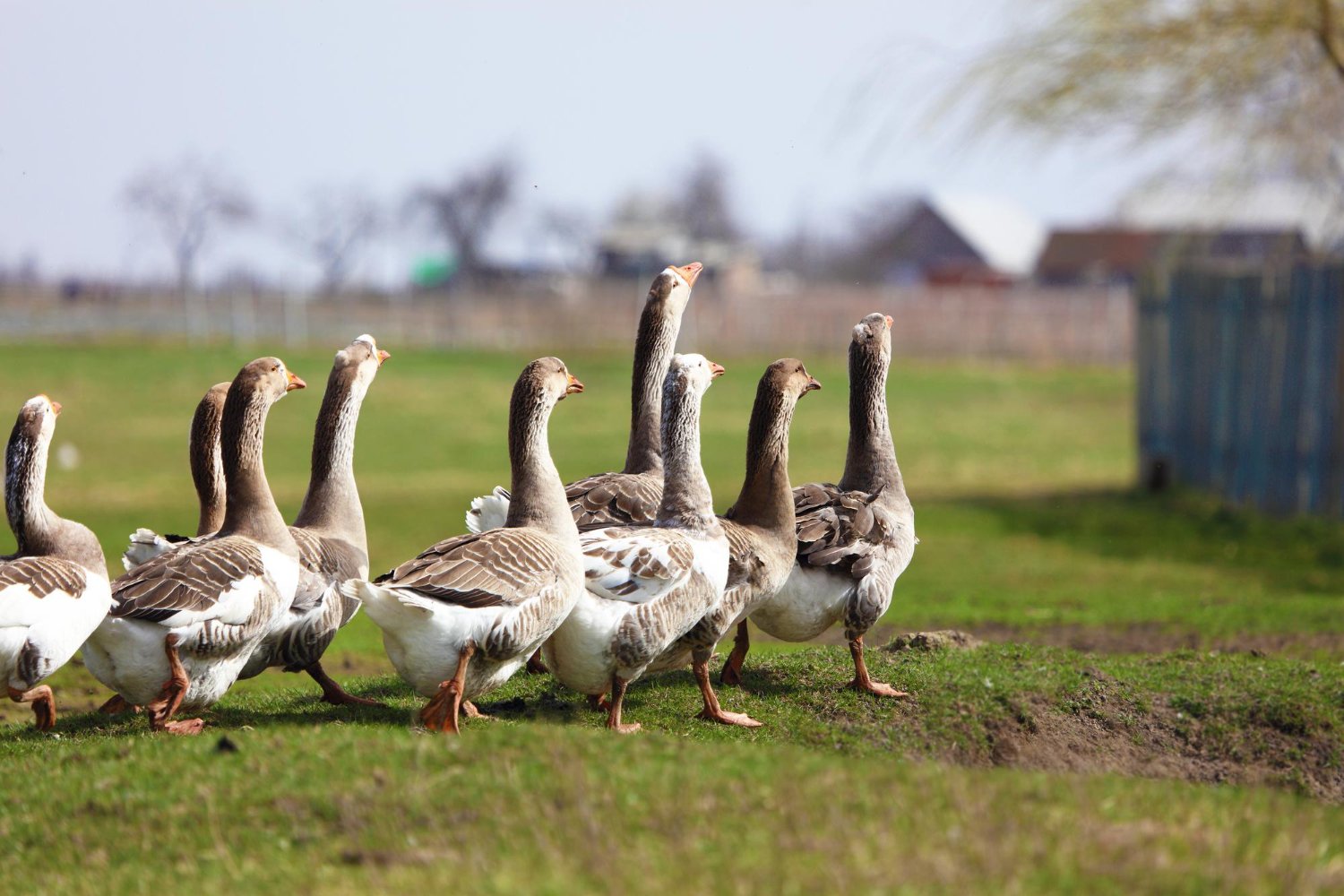
The barnacle goose is a small goose with a white "mask" on a black head, a black neck and a silvery-grey back. In summer it breeds in the Arctic, and in autumn huge flocks fly to winter on the North Sea coasts — in the Netherlands, Germany and Denmark. Finland lies on their route, and in October thousands rest on fields, meadows and city parks, including in Helsinki.
Numbers have grown a great deal over recent decades, and some birds now breed in Finland itself, on the coast and in towns. Big, dense flocks suit the birds, but diseases spread easily within them: one sick bird can infect many while the flock feeds on a single field. That's why mass deaths of barnacle geese always put vets and ornithologists on alert.
Where the samples came from and what post-mortems showed
Over the past two weeks Ruokavirasto has received more than 20 samples from geese found dead or put down because they were in a poor state. Most came from North Karelia, but samples also arrived from the east, south-east and south of the country.
The post-mortems revealed various signs of disease. So the birds are being tested not only for bird flu but also for other viruses and bacteria. Bird flu tests on geese from several locations aren't finished yet — the results are expected next week.
When bird flu was last found in Finland
According to Ruokavirasto, the most recent confirmed cases of highly pathogenic bird flu in wild birds in Finland were in the summer. On 15 June the virus was found in a barnacle goose in Joensuu, and on 4 August in a Canada goose in Espoo. There have been no new confirmed cases since, even though the virus has already appeared on farms in neighbouring countries this autumn.
Why dead geese don't always mean bird flu
Mass deaths of waterbirds have many causes, and bird flu is only one of them. In autumn birds spend a lot of energy on migration and gather in their thousands on the same fields and lakes, so infections pass easily through a flock. Common causes of death in geese and ducks include:
- avian cholera — a bacterial infection that spreads quickly in dense flocks;
- botulism — poisoning by a bacterial toxin, more common in warm weather in shallow water;
- poisoning — for example from lead shot or chemicals from fields;
- exhaustion after a long flight or in bad weather.
That's exactly why it matters that the birds are tested in a laboratory: only tests can show what really caused the deaths and whether there is any danger to poultry or people.
Why reporting finds matters
Ruokavirasto monitors bird flu in wild birds across the country, and every find helps spot the virus in time. The authority asks people to report to the municipal vet (kunnaneläinlääkäri):
- mass deaths of wild birds — when several dead birds are found in one place;
- every dead bird of prey — eagles, hawks, owls and others.
The vet decides whether the birds should be sent for testing and helps arrange it. Sick or recently dead waterbirds and birds of prey are especially needed for testing. Whole birds can be sent to Ruokavirasto's office in Oulu, free of charge for the sender. In Great Britain, dead wild birds are reported to the Defra helpline.
What to do if you find a dead bird
- Don't touch the bird with bare hands. If you do need to move it, use gloves or a bag and wash your hands afterwards.
- Remember the spot — ideally save the coordinates on your phone.
- Report the find if there are several birds or it's a bird of prey.
- Don't take sick birds home. Ruokavirasto specifically asks people not to bring sick wild waterbirds to places where other birds live, and not to care for wild birds where poultry are kept.
Is it dangerous for people
The authority points out that bird flu viruses don't pass easily to people, and infection usually requires close contact with a sick wild or domestic bird or its droppings. But when infection does happen, the illness can be very severe. So the main rule is to avoid contact with sick and dead animals.
What dog owners need to know
Autumn means long walks by lakes and across fields where geese rest. Dogs love to pick up dead birds, and that's risky not only because of possible bird flu: carcasses can carry bacteria, parasites and toxins.
- Keep your dog on a lead near water and fields where dead birds have been seen.
- Practise "leave it" or "drop it" — it's useful all year round.
- Don't let your dog swim where sick or dead birds are floating.
- Gundogs need extra care: when shooting waterfowl, it's worth bearing bird flu in mind, and Ruokavirasto has separate advice for hunters.
What cat owners need to know
Cats are more susceptible than dogs to the current strain of bird flu. They become infected by catching and eating sick birds. If your cat goes out near lakes or fields where birds are dying, it's best to keep them in during the migration season or only let them out under supervision. It's also wise not to feed raw poultry at this time.
What poultry keepers need to know
Even though the first samples showed no bird flu, autumn remains the most dangerous season for backyard hens, ducks and geese. The virus can be brought in by migrating birds and their droppings on grass and in water.
- Feed and water your birds under cover so wild birds don't land at the feeders.
- Keep domestic ducks and geese away from water where wild birds rest.
- Change your footwear before going into the hen house.
- Watch your flock: sudden deaths, lethargy, going off feed or a drop in laying are a reason to call your vet immediately.
Should you feed geese in the park
Many people enjoy feeding bread to geese and ducks at the pond. But during migration this tends to do more harm than good. Feeding draws birds into tight groups along one bank, and any infection spreads faster in such a crowd. Bread is also poor food for geese: it fills them up without giving them the nutrients they need, and soggy leftovers foul the water and attract rats.
If you want to help the birds, it's better to watch them from a distance, not approach weak birds and not try to catch them. A sick bird that can't fly doesn't need to be taken home: you can report it to the local authority or a vet.
How bird flu is monitored in Europe
All EU countries monitor wild birds, as does the UK. Veterinary services test dead birds found by the public and report positive results to a shared system. Using these data, the European Food Safety Authority (EFSA) produces risk maps and warns countries that the virus is approaching. The more finds reach the laboratory, the more accurate the picture and the sooner poultry keepers learn about the danger.
So reporting dead geese isn't an unnecessary formality. Even a negative result matters: it shows that the virus isn't in that area yet and helps avoid needless restrictions.
What happens next
Ruokavirasto expects the remaining bird flu results next week. Tests for other viruses and bacteria are under way at the same time and should help explain why the geese are dying. If bird flu is confirmed, the authority will announce it and may issue new advice for poultry keepers. Until then it's best to assume there is a risk and follow simple precautions.
When to see a vet
If your dog or cat has eaten a dead bird or played with one for a long time and afterwards seems lethargic, has a fever, loses their appetite, is vomiting, has diarrhoea, is coughing or breathing with difficulty, see your vet and mention the contact with the bird. If hens, ducks or geese in your flock fall ill or die, call your vet straight away — suspected bird flu must be reported.
Sources
- Ruokavirasto (Finnish Food Authority), 28 October 2026