Contents
- What happened in Schleswig-Holstein
- What measures the state has introduced
- Why there are more outbreaks in autumn
- What is happening in the rest of Europe
- Why this virus has spread so widely
- Why H5N1 is dangerous for cats
- What to do if your cat catches a bird
- What about dogs?
- Can an indoor cat be infected?
- How a vet makes the diagnosis
- Is the virus dangerous for people?
- What cat and dog owners should do
What happened in Schleswig-Holstein
Since 21 October the highly pathogenic H5N1 avian influenza virus has been found on three poultry premises in northern Germany — in the districts of Nordfriesland, Segeberg and Schleswig-Flensburg. In every case the diagnosis was confirmed by the Friedrich-Loeffler-Institut (FLI), the federal research institute responsible for animal diseases.
In the village of Bark in the Segeberg district the entire flock was culled. A protection zone with a radius of at least 3 kilometres and a surveillance zone with a radius of at least 10 kilometres were set up around the farm — the latter even extends into the neighbouring district of Stormarn. In Wanderup (Schleswig-Flensburg district) the virus was found in geese, and more than a thousand birds had to be culled.
The virus has also been found in the wild. The FLI has already confirmed two cases in wild birds, and more than 30 samples that the state laboratory has provisionally classed as positive are awaiting final confirmation.
What measures the state has introduced
Schleswig-Holstein's Ministry of Agriculture has issued a general order on biosecurity measures that has applied across the whole state since 27 October. It covers everyone who keeps poultry — not just large farms but also hobby keepers with a few hens in the garden. The state's agriculture minister urged everyone to follow the rules strictly and warned that the situation could become serious in the coming weeks.
The exact list of requirements is published by the ministry and the district veterinary offices. As a rule, the aim is to stop wild birds reaching the feed, water and bedding of kept poultry, to make sure people enter poultry houses in separate footwear and clothing, and to report sick or dead birds to vets immediately.
Why there are more outbreaks in autumn
Avian influenza is spread mainly by wild waterfowl. In autumn they migrate in huge numbers to their wintering grounds, stop at lakes and fields and can infect domestic birds — directly or via feed, water and droppings. On 23 October the FLI warned that detections in wild and kept birds would rise during October.
The Danish veterinary service, which recorded two outbreaks on turkey farms within a week, describes the same pattern.
We usually see the most cases of highly pathogenic avian influenza when migratory birds fly over Denmark.
Danish Veterinary and Food Administration, 23 October 2026
What is happening in the rest of Europe
Germany is not the only country where the season has begun. On 19 October the UK veterinary authorities confirmed H5N1 at a poultry farm near Belford in Northumberland — the first farm outbreak in England in the 2026/27 season. On 23 October Denmark reported its first outbreak since April: 40,000 turkeys in Bøgelunde, and a few days later the virus was found on a second turkey farm on the island of Lolland.
Industry summaries for 21–26 October 2026
Why this virus has spread so widely
Avian influenza viruses can be low pathogenic, causing mild disease, or highly pathogenic, killing domestic birds within days. The current H5N1 virus belongs to the second group. The variant that has circulated in Europe since 2020–2021 has proved unusually well adapted to wild birds: it no longer disappears in summer as before, but persists all year and spreads again with the migration every autumn.
The more virus there is in the environment, the more often it reaches mammals. In Europe it has been found in foxes, otters and seals, and in 2022 on a mink farm in Spain. That is why veterinary services are also keeping a close eye on pets that might catch or eat a sick bird — above all cats.
Why H5N1 is dangerous for cats
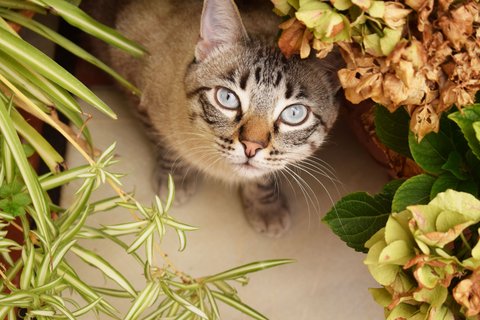
Cats are among the few pets that really do become seriously ill with H5N1. Most often they are infected when they hunt or eat a sick bird, come into contact with its droppings or eat raw meat from infected poultry.
Europe has already seen such cases. In summer 2023 the virus was confirmed in 24 cats in Poland, and according to the investigation more than half of them had been fed raw poultry. In February 2026 an outbreak in a small holding with 21 birds in the Sigmaringen district in southern Germany also affected nine cats: the virus was confirmed by testing in three animals, and antibodies were found in the cats that survived. The European Food Safety Authority (EFSA) reported that at the end of 2025 the virus was again found in cats in two European countries — most likely after contact with wild birds.
According to vets, affected cats may show:
- lethargy, loss of appetite and a high temperature;
- coughing, difficulty breathing, discharge from the eyes and nose;
- loss of coordination, trembling, seizures.
The disease can progress quickly. If your cat goes outdoors or could have caught a bird and shows these signs, see a vet straight away and call the practice in advance so they can see you with the right precautions.
What to do if your cat catches a bird
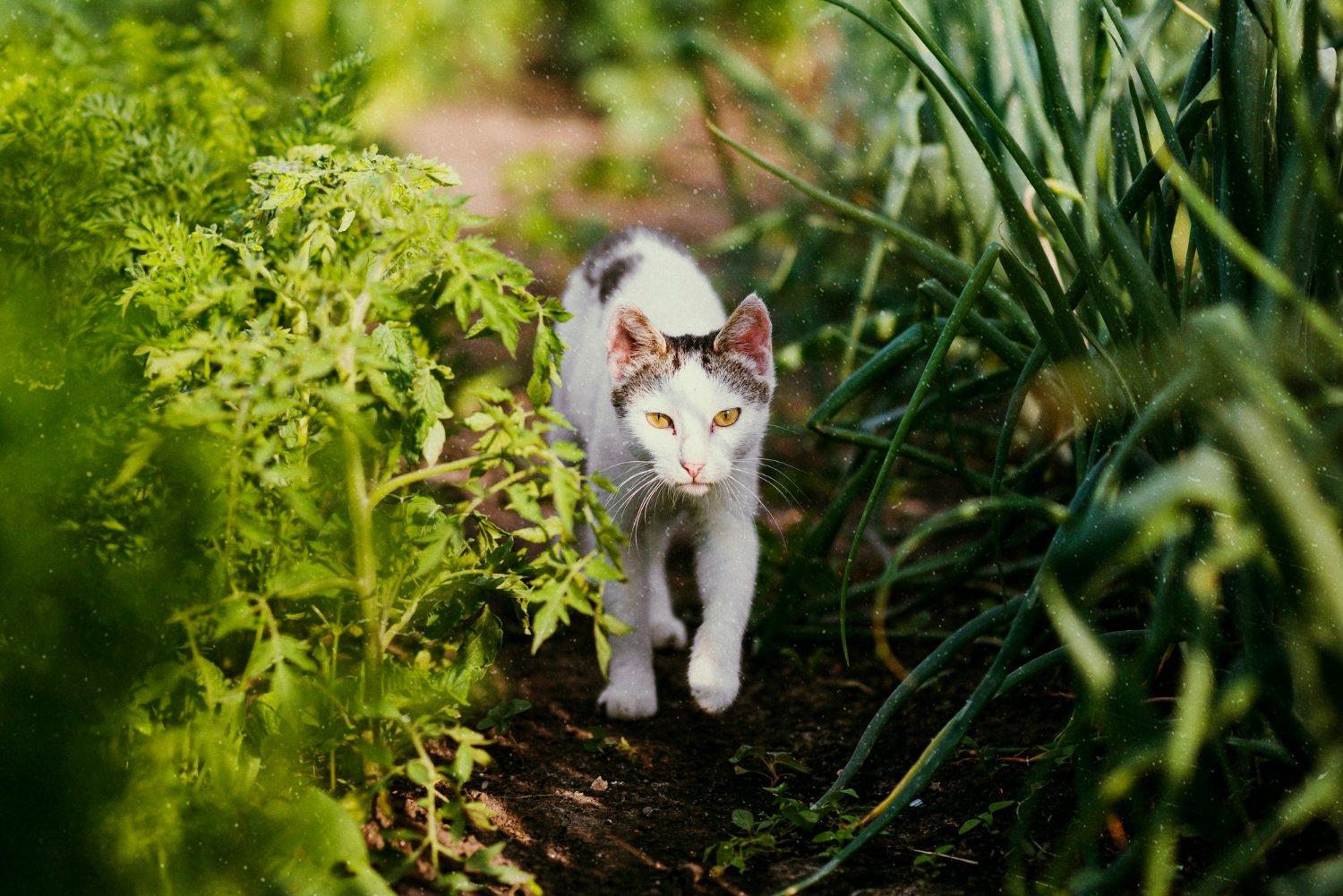
There is no need to panic: most birds caught by cats are healthy. But during the bird flu season, especially near places where the virus has been found, it is better to be careful:
- remove the prey wearing gloves or using a bag and put it in a lidded bin; if there are several birds or they are large waterfowl, report it to the veterinary authorities;
- wash your hands and do not let children touch the bird;
- watch your cat over the next few days: if it is lethargic, off its food, coughing or uncoordinated, call your vet and mention the contact with the bird;
- if possible, keep your cat indoors while bird flu measures are in force in your area.
What about dogs?
Dogs are infected much less often than cats. Even so, in Italy in 2023 antibodies to the virus were found in several dogs living near sick poultry. So the rules for dogs are the same: do not let them touch or eat dead birds and do not feed them raw poultry of unknown origin.
Can an indoor cat be infected?
For an indoor cat the risk is much lower than for one that goes outside, but it is not zero. The main route is food. In the USA in 2024–2025 cats fell ill after eating raw poultry-based food or drinking raw milk from farms where the virus had been found in cows, and manufacturers had to recall such foods. So EFSA's advice not to feed pets raw poultry also applies to cats that never go outdoors.
The second route is what people bring in from outside. During the bird flu season vets recommend taking off outdoor shoes at the door, especially after walks near water and fields with lots of bird droppings, and washing your hands before feeding your cat. These are simple habits that cost almost nothing.
How a vet makes the diagnosis
Bird flu is hard to tell apart from other illnesses by its symptoms: cat flu, other viral infections and poisoning look similar. So the vet takes swabs from the nose, throat or eyes and sends them to a laboratory for PCR — a test that detects the virus's genetic material. If the virus is confirmed, the case is reported to the veterinary authorities: infections in mammals are monitored so that any sign of the virus spreading more easily between them is spotted early.
There is no licensed medicine for bird flu in cats. The vet provides supportive care: drips, oxygen, and medicines for fever and dehydration. The sooner treatment starts, the better the chances, so it is important to tell the practice straight away that your cat may have had contact with a bird.
Is the virus dangerous for people?
European authorities assess the risk to the general public as low: people catch bird flu very rarely and almost always through close contact with sick birds. But sick, weakened and dead wild birds should not be touched, and after a walk in places where there are many of them you should wash your hands. If you find several dead wild birds, report them to your local veterinary authority.
What cat and dog owners should do
- Keep your dog on a lead near lakes, rivers and fields where wild birds gather.
- Do not let your pet touch, chew or eat dead birds.
- Do not feed cats and dogs raw poultry meat or offal — EFSA explicitly advises against it while the virus is spreading actively.
- If the authorities recommend keeping cats indoors in your area, follow the advice — the restriction is usually temporary.
- If you keep hens or ducks in the garden, keep feed and water under cover so wild birds cannot reach them, and change your footwear before going in to the birds.
- If a cat or dog that may have had contact with birds becomes lethargic or has problems breathing or with coordination, do not wait — go to the vet straight away.
The bird flu season usually lasts until spring. Follow announcements from the veterinary authorities in your area: they publish restriction zones and up-to-date advice.
Sources
- Friedrich-Loeffler-Institut (FLI), 23 October 2026
- Schleswig-Holstein Ministry of Agriculture, 26–27 October 2026
- Danish Veterinary and Food Administration, 23 October 2026
- UK veterinary authorities (GOV.UK), 19 October 2026
- European Food Safety Authority (EFSA), 2025–2026