Contents
- What was shown this time
- What Pentulive is
- Why it went viral
- The first two weeks: sleep and milk
- Week three: eyes, ears and first steps
- Three to eight weeks: play and discovering the world
- Lagotto romagnolo: what kind of breed
- When puppies start eating on their own
- How the mother dog is cared for
- Why puppies shouldn't leave before eight weeks
- What a vet checks in puppies
- What anyone wanting a puppy should know
- How to prepare your home for a puppy
- The first days in a new home
- What this means for Europe
- What happens next
- When to see a vet
What was shown this time
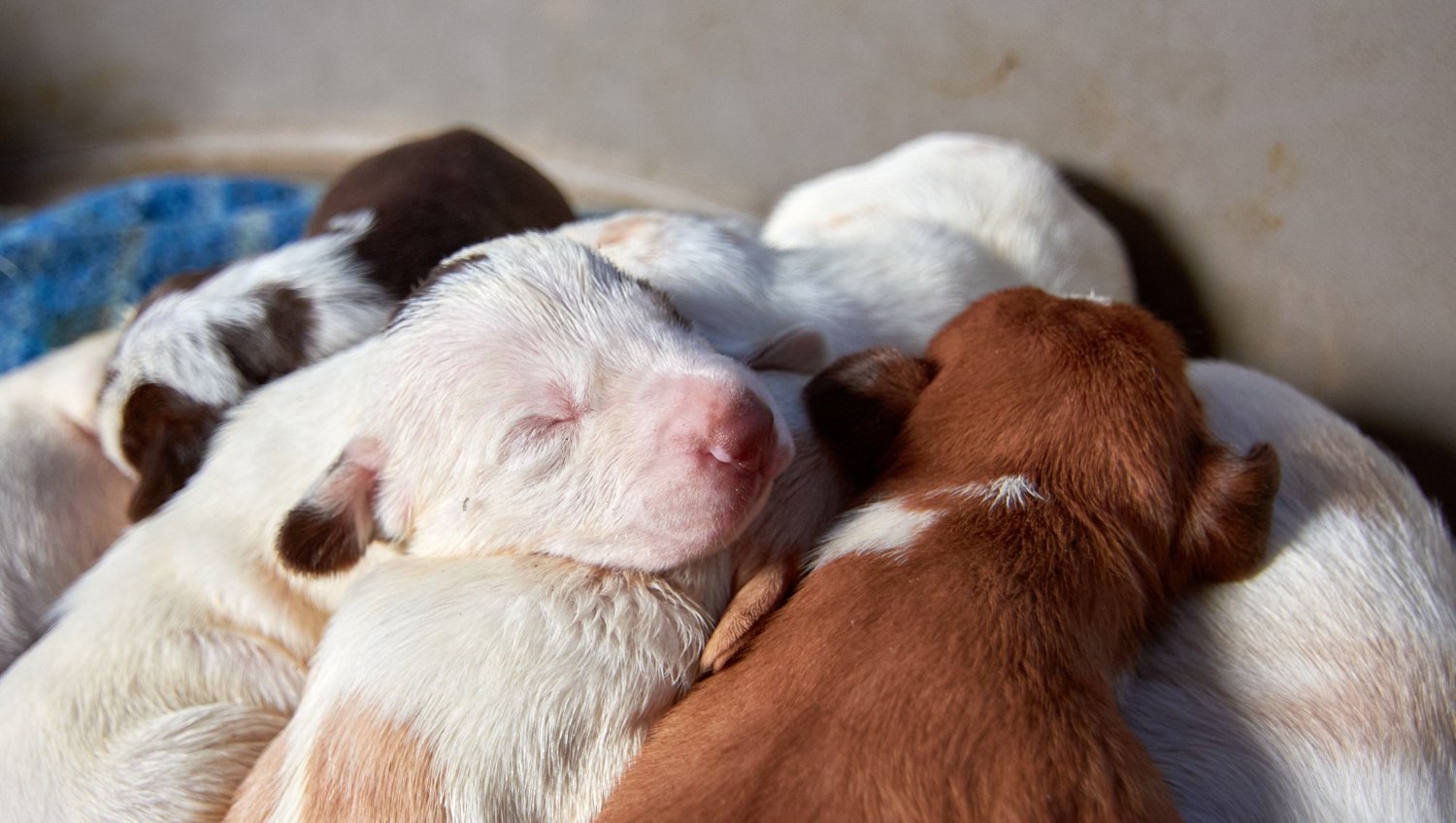
On 30 October 2026 the Finnish broadcaster Yle published a new series of portraits of the puppies from its round-the-clock Pentulive stream. The lagotto romagnolo puppies were then nearly three weeks old, and these were the first photos with their eyes open. The theme that week was Halloween.
The week before had brought an important event for the puppies: their eyes opened and they began to pick up sounds. All six now have names: the first-born is Bella, then come Pepe, Dante, Luna and Enzo, and the youngest is called Milo.
Yle, Euronews; 27–30 October 2026
What Pentulive is
Pentulive is a Yle project in the spirit of "slow TV": a camera shows a mother dog and her puppies around the clock, from birth to when the youngsters leave for their new homes, about eight weeks later. You can watch the stream on the Yle Areena service, on Yle's website and in its app, with no country restrictions. This season the project also has a podcast with a weekly round-up and a quiz in the app.
Each week Yle publishes new portraits of the puppies, so viewers can compare how much they've changed since the first week. In the photos from 30 October, the puppies look straight at the camera for the first time.
Why it went viral
According to Yle figures cited by Euronews, 1.85 million unique viewers from around the world watched the stream in the first two weeks. People leave it on in the background at work, discuss the puppies on social media and wait for new names. Psychologists explain the popularity of such streams simply: calmly watching animals reduces stress, and the real, unstaged lives of the puppies inspire trust.
There's a benefit for vets and breeders too: millions of people see for themselves how puppies really grow up and how much care they need.
The "slow TV" format was made famous by Norway's NRK with its hours-long broadcasts of trains, ships and nature. Scandinavian broadcasters have since often shown animal life live, from reindeer migrations to birds' nests. Pentulive fits this tradition but has special stars: puppies draw in people who have never watched "slow" TV.
The first two weeks: sleep and milk
Puppies are born blind and deaf, with their eyes and ear canals closed. For the first few days they almost only sleep and feed, while their mother keeps them warm, nurses them and licks them. Licking isn't just affection: in the first weeks it helps puppies empty their bowels and bladder.
Puppies can't yet regulate their own body temperature, which is why a warm nest and their mother's presence matter so much. Breeders weigh puppies regularly at this stage, as steady weight gain is the main sign that all is well. If a puppy stops gaining weight, suckles weakly, cries constantly or lies apart from the others, call a vet urgently: newborns dehydrate and get cold very quickly. That's why a litter is watched almost around the clock in the first days, which is something all Pentulive viewers can see.
Week three: eyes, ears and first steps
A puppy's eyes usually open at about 10–14 days, with hearing coming a little later. At first their vision is blurry, but their world expands quickly: puppies begin to react to sounds, crawl more confidently, then stand up and take their first wobbly steps. This is exactly what was happening on Pentulive in late October.
From this time what's known as the socialisation period begins, when a puppy is especially receptive to new things: people, sounds, smells and surfaces.
Three to eight weeks: play and discovering the world
In the following weeks puppies begin to play with each other, try solid food and explore new places. Playing with their littermates teaches them how to communicate with dogs and control the strength of their bite, while calm contact with people lays the foundation for trust. That's why good breeders gradually introduce puppies to different sounds and everyday situations.
Lagotto romagnolo: what kind of breed
This season's puppies are lagotto romagnolos, an Italian breed known as the "truffle dog". Lagottos were originally water dogs that helped hunters in marshes, and were later used to sniff out truffles. They're medium-sized dogs with a thick curly coat that hardly sheds but needs regular grooming and clipping. Lagottos are considered clever, active and devoted to people, and they need activities for the nose and the mind.
When puppies start eating on their own
For the first few weeks puppies feed only on their mother's milk. From about three to four weeks, breeders start offering solid food: soft puppy food softened into a mush. At first puppies stand in the bowl more than they eat, but they learn quickly. By eight weeks they eat solid food confidently, though their mother may still let them nurse.
How the mother dog is cared for
While viewers' attention is on the puppies, the mother matters too. After giving birth she needs high-calorie food, plenty of water and a quiet place. Her owner and vet monitor her temperature, appetite, discharge and mammary glands. Redness, swelling and tender teats can indicate mastitis, while trembling, restlessness and seizures in the first weeks of nursing can indicate calcium deficiency. These conditions need urgent veterinary attention.
Why puppies shouldn't leave before eight weeks
Puppies usually go to new homes no earlier than eight weeks. During this time they learn important social skills from their mother and littermates, and their immune system gets ready for the first vaccinations. Being separated too early can lead to behaviour and health problems. On Pentulive, the stream lasts until exactly this moment.
What a vet checks in puppies
In the first few weeks a vet usually examines puppies several times:
- a general check: heart, lungs, navel, palate and joints;
- worming according to the vet's schedule;
- first vaccinations, usually at 6–9 weeks;
- a microchip and paperwork before moving to a new home, as your country's rules require.
What anyone wanting a puppy should know
The stream shows what a responsible approach should look like: the mother alongside, a clean warm place, regular weighing and vet checks. If you're choosing a puppy:
- Meet the mother and see where the puppies are growing up.
- Ask about vaccinations, worming and vet checks, and ask for the paperwork.
- Don't take a puppy under eight weeks old.
- Beware of adverts offering a puppy "right now", with no chance to meet the mother or with delivery from abroad.
- Get your home ready and book in with your vet for the first few days after the move.
How to prepare your home for a puppy
Before your puppy arrives, it's worth preparing:
- a place to sleep, such as a bed or crate in a quiet corner;
- bowls and the food your puppy is used to from the breeder, changing food gradually;
- chew toys, as puppies chew everything, especially when teething;
- a safe space, with cables, medicines, household chemicals and small objects out of reach;
- a collar or harness and lead in the right size.
The first days in a new home
Moving is a big stress for a puppy: it's the first time without its mother and littermates. In the first few days a calm routine, short play sessions, lots of sleep and a predictable schedule will help. Don't invite guests straight away or go on long trips. Your puppy may cry at night, and a warm bed next to yours often helps. Outdoor walks and meeting strange dogs usually start once your vet says the vaccinations are done.
What this means for Europe
European vets and animal welfare groups have long battled the illegal puppy trade, in which puppies are transported too young, without vaccinations and with fake papers. These puppies are often ill and poorly socialised. Projects like Pentulive show an alternative: open, transparent breeding where every day of a puppy's life can be seen.
What happens next
The stream will run until about early December. In the coming weeks the puppies will learn to walk confidently, begin to tussle with each other and try solid food for the first time. They'll become more and more active, play, get to know new places and then leave for their new homes. Yle will keep publishing weekly portraits.
When to see a vet
If you've got a puppy, have it seen by a vet in the first few days. See a vet urgently if your puppy is lethargic, won't eat, is vomiting or has diarrhoea, especially with blood, has trouble breathing or has stopped gaining weight: youngsters can go downhill very quickly.
Sources
- Yle, 30 October 2026
- Euronews, citing Yle, 27 October 2026