Contents
- Why these stories spread
- A wallaby at sea
- Why wallabies swim
- The goose with a ring on its beak
- Litter is a trap for wildlife
- The deer in the laundrette
- A sheep on the run
- What to do if you come across a wild animal in trouble
- How wildlife rescue centres work
- Deer on the roads
- Wallabies in Europe
- If a wild animal gets into your house or garden
- Why you shouldn't feed geese and ducks bread
- Why dogs are the main risk
- What farm animal owners should know
- What this means for Europe
- When to see a vet
Why these stories spread
Stories of rescued animals are among the most popular on social media. In the last days of October 2026, several of them drew thousands of reactions: Australia's ABC and the US agency UPI reported on them, while the rescuers, police and wildlife centres posted photos and videos on their own pages. Behind the touching footage are useful lessons for pet owners and for anyone who may come across a wild animal in trouble.
ABC, UPI; 29–30 October 2026
A wallaby at sea
On 30 October Australia's ABC told the story of yachtsman Matt Smith, who was on his yacht in the marina at Portland in south-west Victoria. He heard seagulls screeching and at first thought there was a dog in the water. Looking more closely, he realised it was a wallaby swimming further and further out to sea, already exhausted more than 100 metres from shore.
Smith lowered his dinghy and rowed over to the animal. "I don't think it would have lasted long if it had gone out to open sea," he said. Coaxing the wallaby into the boat was easy, but keeping it there was harder: on the first attempt the frightened animal jumped into the dinghy and straight back out. Smith eventually brought it ashore, where wildlife rehabilitation specialists took it in. It's now resting with them.
Why wallabies swim
Kangaroos and wallabies can swim, and they sometimes take to the water to escape predators such as dogs or dingoes. In 2020 a wallaby was rescued 6.2 kilometres off North Stradbroke Island in Queensland. Smith, who has been called a hero on social media, asked people on the beach to keep their dogs on leads, because he had "done enough rowing for the day".
The goose with a ring on its beak
On 30 October UPI reported on a Canada goose spotted in September on a pavement in the centre of York, Pennsylvania. The bird looked dazed and was covered in blood: it had a rusty metal ring on its beak. The goose was taken to the Raven Ridge Wildlife Center in Lancaster County.
Specialists removed the ring, which had rubbed wounds and caused bleeding, and treated the bird for dehydration and exhaustion, as it couldn't eat or drink properly with the ring on. This week the goose was released. "The goose was very photogenic and clearly happy to be free again," the centre wrote.
Litter is a trap for wildlife
Can rings, plastic pack holders, fishing line, elastic bands and netting injure thousands of birds and other animals every year. Animals get their heads or beaks stuck in them, or loops tighten around their legs. That's why specialists advise cutting plastic holders and rings before throwing them away, and never leaving fishing line on the shore.
The deer in the laundrette
On 29 October UPI reported on an unusual visitor to the Wishy Washy Laundry in Winston-Salem, North Carolina. CCTV showed a deer running into a woman leaving the laundrette, then smashing a window and bursting inside. The animal ran through the laundrette, climbed onto the washing machines and dryers and leapt out through the broken window. "A one-in-a-million chance," owner Cory Pendergrass told the WXII TV channel. No one was hurt, and the window was repaired the same day.
Autumn is the deer rutting season, when they move around more and often come close to roads and towns. Drivers should be especially careful at dusk at this time of year.
A sheep on the run
In Virginia, police in Manassas Park received a call on 28 October about a sheep wandering along the street. As the police humorously wrote on Instagram and Facebook, the sheep was "detained after a short chase for food", which led straight into someone's garden. Police are looking for the owner and trying to find out where the sheep came from.
What to do if you come across a wild animal in trouble
- Don't go too close or try to catch the animal yourself: a frightened animal can injure itself and you.
- Move dogs and children away.
- Call your local wildlife rescue, the RSPCA or Scottish SPCA, or the police.
- Take a photo of the animal and the place if it's safe: this helps the specialists.
- Don't give it food or water unless specialists tell you to.
How wildlife rescue centres work
The wallaby and the goose ended up with specialists who know how to handle wild animals. At these centres an animal is first examined and stabilised: warmed, given fluids and treated for its wounds. It then recovers somewhere quiet with minimal human contact, so that it doesn't get used to people. Only when it's fully healthy and able to find food on its own is it released, where possible in the place it was found. Many centres rely on donations and volunteers.
Deer on the roads
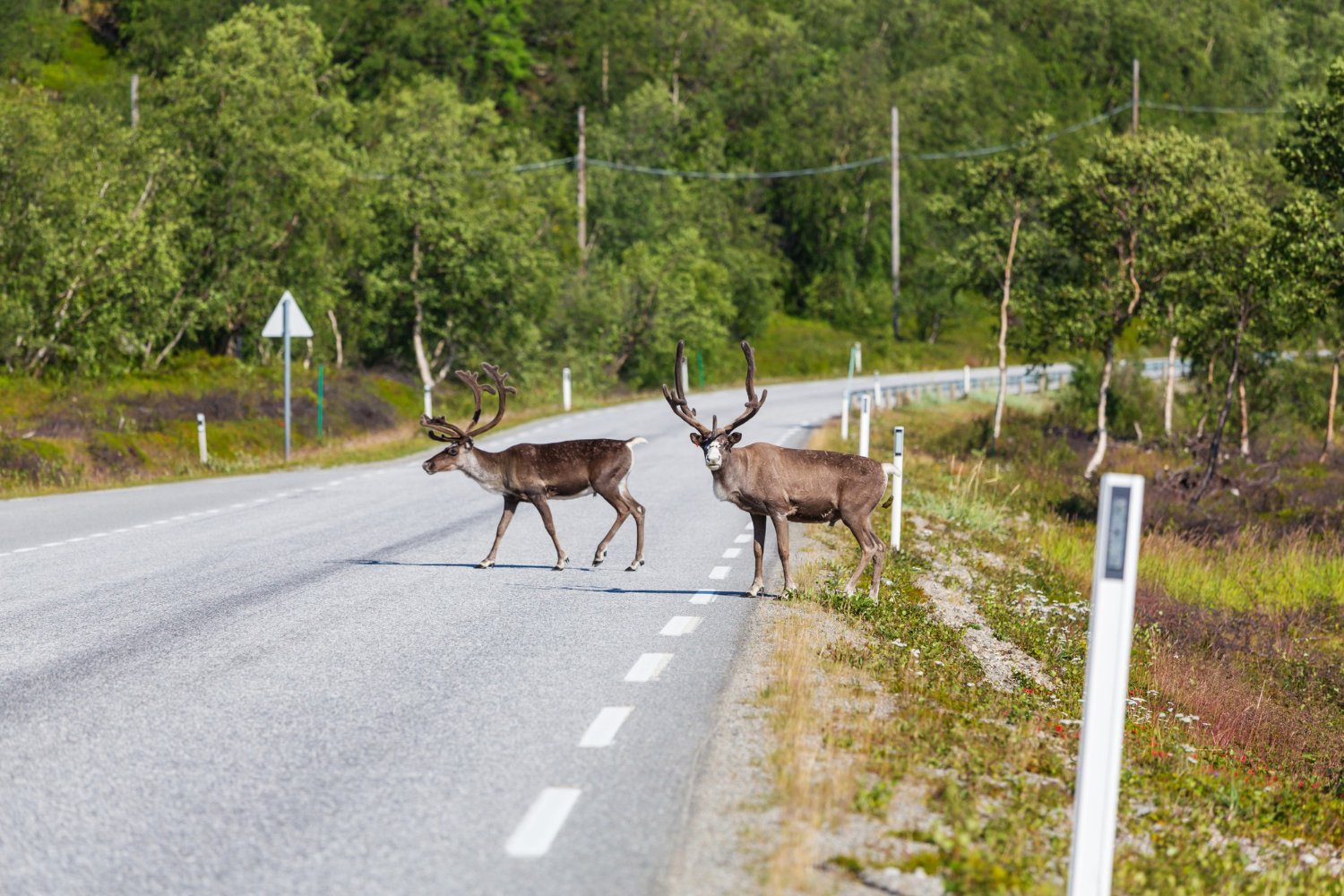
In autumn, deer come close to roads and villages more often, especially at dawn and dusk. If you see a wild animal warning sign, slow down. If a deer runs onto the road, brake and avoid sudden swerves: hitting a tree or oncoming car is more dangerous. If you hit an animal, switch on your hazard lights, put out a warning triangle if it's safe, stay away from the injured animal and report it to the police: in most European countries this is required.
Wallabies in Europe
Wallabies don't live only in Australia. They're kept in zoos and private collections, and from time to time escaped animals make the news in Europe too. The best-known example is the Rambouillet forest near Paris, home since the 1970s to a small population of Bennett's wallabies, descended from animals that escaped from a park. There are also wallabies on the Irish island of Lambay. If you come across a wallaby or another exotic animal at large, don't try to catch it: report it to a local animal rescue service or the police.
If a wild animal gets into your house or garden
A deer in a laundrette is rare, but hedgehogs, foxes and birds wander into gardens, garages and hallways, and in the suburbs so do deer. The golden rule is to let the animal leave on its own. Move people and pets away, open doors and windows towards the way out, close the doors to other rooms and step back. Don't corner the animal: when frightened, it can injure itself and you. If it's hurt or can't get out, call a wildlife rescue, or the police if people are at risk.
Why you shouldn't feed geese and ducks bread
The goose's story is also a reminder of how people themselves harm waterbirds. Many bird conservation organisations ask people not to feed ducks, geese and swans bread: it has little of what birds need, leftovers pollute the water, and feeding gathers birds into large flocks where disease spreads more easily. If you really want to feed them, small amounts of grain, chopped lettuce or special waterfowl food are suitable. And during bird flu outbreaks, the veterinary services of many European countries ask people not to feed wild waterbirds at all.
Why dogs are the main risk
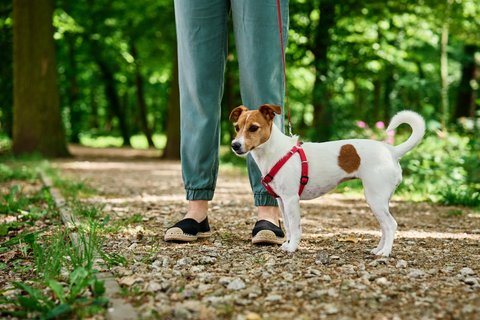
Many stories of "lost" wild animals have one thing in common: they were frightened or chased by dogs. The wallaby may have swum out to sea to escape a dog, and deer run onto roads to get away from dogs. So in places where wild animals live, such as by the water, in woods and in parks, it's best to keep dogs on a lead. This protects both wild animals and the dogs themselves from injuries, bites and encounters with cars.
What farm animal owners should know
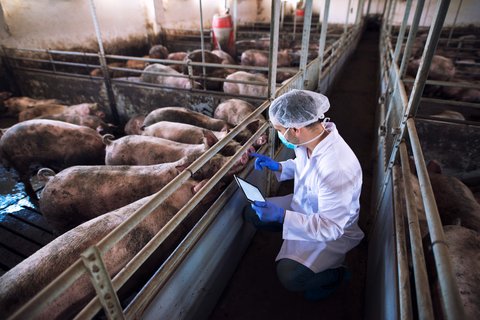
The runaway sheep in Virginia is a good reason to check your fences. Goats, sheep and pigs on the loose risk being hit by a car, being poisoned or getting lost. A good fence, ear tags or microchips with the owner's contact details, and knowing your neighbours all help get an animal back quickly.
What this means for Europe
Similar stories happen every year in Europe too: deer in shopping centres, swans on motorways, foxes on the Underground, and birds tangled in litter. Many countries have wildlife rescue centres and helplines. It's worth knowing the number for such a service in your area in advance, as well as the number of an out-of-hours vet.
When to see a vet
If your dog has fought with a wild animal, been bitten or scratched, been hurt while chasing one, or swallowed litter such as fishing line or plastic, have it seen by a vet. Bites from wild animals can be deeper than they look and need treating, and in some regions the dog's rabies vaccination has to be checked too.
Sources
- ABC News (Australia), 30 October 2026
- UPI, 30 October 2026
- UPI, 29 October 2026