
Caring for your pet's health is a crucial part of ensuring they live a long and happy life. One of the key factors for maintaining their well-being is supporting their immune system. Regular preventive check-ups with a veterinarian are one of the most effective ways to support your pet’s health. These visits help not only identify diseases at an early stage but also maintain and strengthen the pet's immune system.
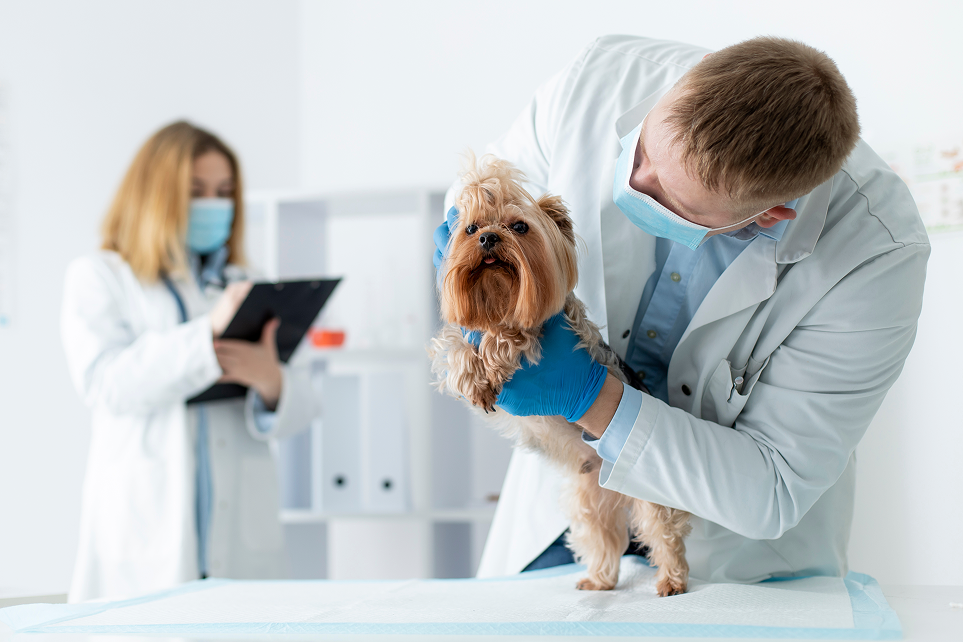
In this article, we will discuss the importance of preventive check-ups in maintaining your pet's immune system, and how regular health checks contribute to the early detection and treatment of diseases.
Why Are Regular Check-ups Important for Your Pet's Immune System?
The immune system is the body's defense mechanism that protects against infections and diseases. Like humans, pets' immune systems can weaken due to age or various factors such as stress, poor diet, or chronic illnesses. Regular preventive check-ups allow the veterinarian to monitor your pet's health and identify potential threats to their immune system at an early stage. This provides an opportunity to start treatment promptly and prevent more serious diseases from developing.
1. Early Detection of Diseases
Your pet's immune system can be under strain due to hidden diseases, infections, or inflammations that may not show obvious symptoms. For example, chronic infections such as painful inflammation of the teeth or kidneys can weaken the pet's immune system and lead to other health issues.
During a preventive check-up, the veterinarian examines the health of all the organs and systems of the pet, including the respiratory, digestive, and cardiovascular systems. This helps to identify diseases that may affect the immune system and start treatment before they cause significant problems.
2. Assessing the General Health of the Pet
In addition to diagnosing diseases, a check-up helps assess the overall health of your pet. The veterinarian can measure temperature, check weight, evaluate skin and coat condition, and conduct blood and urine tests. These data are important to understand the overall health of your pet and the level of its immune defense.
The check-up also includes a vaccination check. Proper vaccination is a key factor in supporting your pet's immune system as it helps prevent a variety of infectious diseases such as rabies, parvovirus, and infectious hepatitis.
3. Supporting Health During Stressful Periods
Like humans, pets can experience stress due to changes in their environment, moving, extreme heat or cold, loss of a caregiver, or changes in their surroundings. All of these factors can weaken the pet’s immune system and increase their susceptibility to diseases.
Regular check-ups help mitigate the impact of stress on your pet's health. The veterinarian may suggest ways to reduce anxiety or offer advice on improving the living conditions of the pet, which in turn contributes to strengthening their immune system.
What Does a Preventive Check-up Include to Support the Immune System?
Each preventive check-up consists of several key stages that not only help evaluate the pet’s general condition but also identify potential threats to its immune system.
1. Vaccination Check
One of the main parts of a preventive check-up is verifying the status of the pet’s vaccinations. It is essential to ensure that all necessary vaccinations have been given on time and are up-to-date. Vaccination helps the pet’s body build immunity against infectious diseases like viral hepatitis, rabies, parainfluenza, and others.
2. Blood and Urine Tests
A blood test is an important tool to evaluate the pet’s health. It helps assess the function of organs and systems, identify inflammatory processes, and detect abnormalities in blood composition, such as anemia or infections. A urine test helps assess kidney function and detect possible issues such as urinary tract infections.
3. Assessment of the Cardiovascular System
A heart and vascular examination is necessary to detect conditions such as heart failure, hypertension, and circulation problems. These diseases can weaken the immune system and increase the pet’s susceptibility to infections.
4. Dental and Gum Check-up
Dental problems like periodontal disease, gum inflammation, and other issues can lead to infections that spread throughout the pet’s body. It’s important to check the condition of teeth and gums to avoid the spread of infections that can weaken the immune system.
5. Skin and Coat Examination
The skin and coat are indicators of your pet’s overall health. Skin problems such as itching, hair loss, or inflammation may signal underlying infections or issues with the immune system. The veterinarian checks the skin and coat for parasites, fungi, infections, or allergies.
6. Examination of Eyes and Ears
Eye and ear diseases can be related to immune system issues. Regular eye and ear exams help prevent or detect conditions such as conjunctivitis, deafness, cataracts, and others.
7. Evaluation of Diet and Weight
Diet plays a crucial role in maintaining your pet’s immune system. It’s important to ensure your pet is getting all the necessary vitamins, minerals, and trace elements. The veterinarian may provide recommendations on adjusting the diet and maintaining a healthy weight.
When Should Preventive Check-ups Be Conducted?
The frequency of check-ups depends on your pet’s age and health condition. For young and healthy animals, one check-up per year is usually enough. Older pets and those with chronic conditions may require more frequent check-ups, such as every six months.
Special attention should be given to check-ups during transitional seasons (spring and autumn), when the immune system may weaken due to changing weather conditions and frequent stress.
How Does a Preventive Check-up Support the Immune System?
Regular check-ups help the veterinarian not only identify hidden diseases but also maintain the overall tone of your pet's body. These visits allow for timely adjustments to treatment, preventing the development of diseases, and increasing resistance to infections. Strengthening the immune system through prevention contributes to faster recovery in case of illness and prevents further complications.
Additionally, preventive check-ups help owners stay informed about the condition of their pets and receive recommendations for care, improving diet, and adding supplements to support the immune system.
Regular preventive check-ups are a vital element of pet care that help keep the immune system in good condition. These check-ups not only allow for the timely detection of diseases but also help prevent their development. They play a key role in supporting your pet’s health, identifying hidden problems, and minimizing risks to their immune system. Take care of your pet, schedule regular check-ups, and always consult with a veterinarian in a timely manner!

