
What Are Diagnostic Imaging Tests?
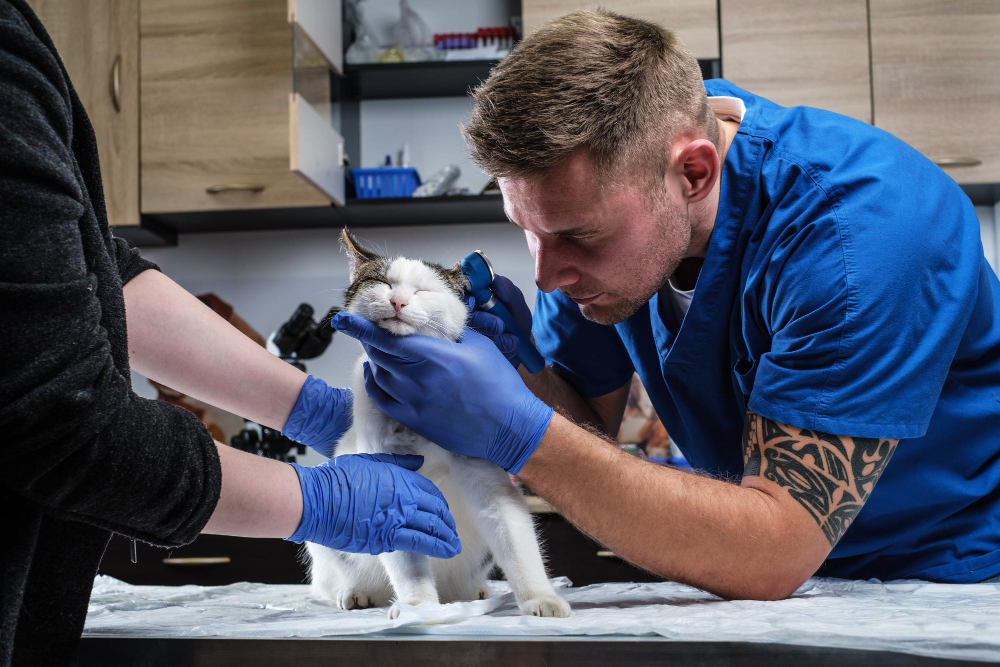
Diagnostic imaging tests are essential in diagnosing diseases in pets. They allow veterinarians to obtain accurate information about your pet's health and choose the right treatment.
What Are Diagnostic Imaging Tests?
Diagnostic imaging tests are methods that use various medical devices and equipment to examine the condition of internal organs and tissues. These methods include X-rays, ultrasound, endoscopy, electrocardiography, and others. These tests help accurately diagnose conditions that cannot be detected through physical examination or blood tests.
Types of Diagnostic Imaging Tests
X-ray (Radiography)
X-rays allow veterinarians to get images of an animal's organs and tissues, primarily to diagnose diseases of bones, joints, and lungs.
Ultrasound (Ultrasonography)
Ultrasound is used to examine the internal organs, such as the liver, kidneys, and heart, by emitting high-frequency sound waves.
Endoscopy
Endoscopy allows the vet to visually examine internal organs using a camera that is inserted either through natural openings or a small incision.
Electrocardiography (ECG)
ECG helps evaluate heart function and detect cardiovascular diseases by recording the electrical activity of the heart.
Preparing Your Pet for Diagnostic Imaging Tests
The preparation depends on the type of test, your pet’s age, health condition, and behaviour. However, several general guidelines can make the process less stressful for both you and your pet.
1. Visit to the Veterinarian Before the Procedure
Before undergoing any diagnostic test, consult with your veterinarian, who will determine which diagnostic method is appropriate for your pet. The vet will explain the procedure, the preparation steps, and what to expect afterward.
Preparing for an X-ray
- Fasting: For an X-ray, your pet should not eat for 12-24 hours before the procedure, especially if contrast radiography is required.
- Calm Environment: Provide a calm environment for your pet to avoid stress, which could affect the test results.
Preparing for Ultrasound
- Fasting: Your pet should not eat for at least 12 hours before the ultrasound procedure to improve image quality.
- Calmness: It’s important to keep your pet calm, as noise and movement can interfere with the process.
2. Importance of Calming Your Pet
Stress can affect the results of the tests, so it’s essential to prepare your pet mentally. Veterinarians recommend:
- Talk to your pet before the procedure to reduce anxiety.
- Use calming medications prescribed by your vet if your pet is very nervous.
- Arrive at the clinic early to give your pet time to adjust to the new environment.
3. Ensure Your Pet is Healthy
Some procedures, such as X-rays or endoscopy, may require your pet to be completely relaxed beforehand. If your pet has underlying conditions like heart or respiratory problems, your vet should assess the risks associated with the procedure.
How Diagnostic Imaging Tests Are Performed
X-ray
The X-ray procedure is quick and painless. Your pet will need to lie still on a table, and depending on the area being examined, additional procedures like the introduction of contrast agents may be necessary.
Ultrasound
An ultrasound is performed using a special device that emits sound waves, which are transmitted through the pet’s skin. A gel is applied to the area being examined. The procedure is safe and painless, but it is important that your pet remains still.
Endoscopy
Endoscopy involves inserting a camera into your pet's body through a natural opening or a small incision. This procedure may require general anaesthesia, especially if the stomach, intestines, or airways are being examined. Endoscopy can take anywhere from a few minutes to half an hour.
Electrocardiography (ECG)
For an ECG, your pet will be attached to sensors that measure the electrical activity of the heart. The procedure is painless and usually takes no more than 10 minutes.
After the Procedure
After the diagnostic test, your pet will need some time to recover, especially if anaesthesia or sedative drugs were used.
Important Post-Procedural Recommendations
- Monitor Your Pet: After the procedure, carefully observe your pet’s behaviour. If any medication was used, ensure your pet doesn’t experience side effects.
- No Food: After anaesthesia, your pet may not be allowed to eat for several hours.
- Contact the Vet if Problems Arise: If your pet appears lethargic or shows unusual symptoms, contact your vet immediately.
When Should Diagnostic Imaging Tests Be Performed?
Diagnostic tests are typically recommended when specific conditions are suspected. Common indications for such procedures include:
- Unexplained loss of appetite or weight
- Breathing issues or coughing
- Digestive problems
- Joint or neck pain
- Frequent seizures or fainting
Frequently Asked Questions
How Often Should My Pet Have X-rays?
The frequency of X-rays depends on your pet’s health. For healthy animals, an X-ray once a year is usually sufficient, but if your pet has any health issues, more frequent imaging may be necessary.
Can I Be Present During the Procedure?
Many clinics allow pet owners to be present during the procedure, but it depends on the type of test. For example, during X-ray imaging, your pet must remain still, so owners are often asked to wait in another room.
Final Recommendations
Preparing your pet for diagnostic imaging tests requires attention to detail and consultation with your vet. These diagnostic procedures provide crucial information to accurately determine the issue and choose the best treatment. By following the expert advice and carefully monitoring your pet’s condition, you will ensure they experience a comfortable and safe examination.

