
Vaccination is a crucial tool in protecting pets from infectious diseases. However, one vaccination for life is not enough—revaccination is required to maintain immunity. It helps the pet’s body retain protection from viruses and bacteria throughout their life.
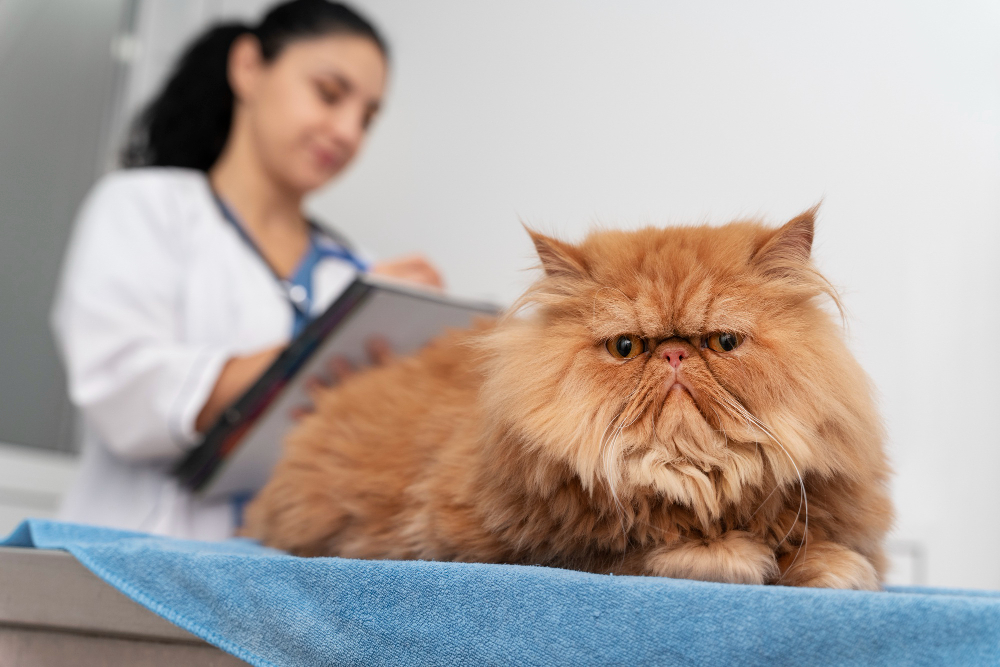
But when and how often should vaccinations be repeated? How do age and health conditions affect the revaccination schedule? In this article, we’ll discuss the key aspects of repeat vaccinations for pets.
Main Threats
Skipping revaccination can lead to weakened immunity and increased vulnerability to infections. The body gradually "forgets" the pathogens, increasing the risk of infection.
Dangerous consequences of irregular revaccination:
- Decreased immune protection and risk of infections.
- Increased susceptibility to epidemics (especially in shelters).
- Severe progression of diseases in unvaccinated animals.
- Risk to other pets in the home (if the disease is contagious).
To avoid these risks, it's essential to adjust the vaccination schedule in a timely manner.
Types of Revaccination
Revaccination can be planned or emergency.
- Planned revaccination – repeated vaccinations performed at regular intervals (e.g., annually).
- Emergency revaccination – given if a pet has been exposed to an infected animal or traveled to a region with a high epidemiological threat.
- Planned revaccination is the most important because it helps maintain high levels of immune protection for the pet.
How Age Affects the Revaccination Schedule
Age is a key factor when creating a vaccination schedule. Puppies, kittens, and elderly animals have different immune systems, which affects the timing of revaccination.
Revaccination for Young Animals
Puppies and kittens require several stages of vaccination in the first few months of life because their immune systems are still developing.
A typical schedule looks like this:
- First vaccination: 6–8 weeks.
- Revaccination: 10–12 weeks.
- Third dose (if needed): 14–16 weeks.
- Annual revaccination: 12 months after the first series.
Without revaccination, the immune system of young pets may not develop sufficient protection.
Revaccination for Adult Animals
Adult dogs and cats are vaccinated less frequently, but regularly.
A typical schedule:
- Rabies – every 1–3 years (depending on the vaccine).
- Distemper, parvovirus, adenovirus – annually or every 3 years.
- Leptospirosis, coronavirus, bordetella – annually.
Some vaccines provide long-term immunity and can be administered every 3 years. However, it’s important to check antibody levels before that.
Revaccination for Elderly Animals
As animals age, their immune systems weaken, and some vaccines may be less effective. However, this does not mean that elderly pets should not be vaccinated.
Adjusting the schedule for older pets:
- Perform antibody titer tests to avoid unnecessary vaccinations.
- Reduce the strain on the body by choosing the most essential vaccines.
- Closely monitor their reaction to vaccinations, as side effects may be more common.
How to Adjust the Vaccination Schedule Based on the Pet’s Health Status
In addition to age, several health factors influence the vaccination schedule: chronic diseases, pregnancy, allergies, and other conditions.
Weak or Sick Animals
If a pet has recently recovered from a serious illness or surgery, it’s best to delay vaccination. Vaccination requires an active immune response, and a weakened body may face complications.
What to do:
- Delay vaccination for 2–4 weeks after recovery.
- Consult with a veterinarian before vaccination.
- Use gentler vaccines (e.g., without adjuvants).
Pregnant and Nursing Animals
Vaccination during pregnancy is not recommended, as it may affect the development of the offspring. If breeding is planned, it is better to vaccinate the animal in advance.
Vaccination rules:
- Vaccinate the dog or cat at least 2 weeks before mating.
- During pregnancy, use only vaccines approved by the veterinarian.
- After giving birth, vaccinations can be administered, but closely monitor the pet’s reaction.
Allergic Animals and Pets with Sensitive Immune Systems
Some pets may have allergic reactions to vaccine components. In such cases, the revaccination schedule should be adjusted individually.
How to reduce risks:
- Use hypoallergenic vaccines (without preservatives and adjuvants).
- Administer vaccines gradually (separate combination vaccines).
- Monitor the pet after vaccination and administer antihistamines if needed.
What to Do if a Revaccination Is Missed?
Sometimes owners miss the revaccination date. In such cases, it is important to correct the schedule as soon as possible.
- If the vaccine is overdue by 1–3 months: The vaccine can be given without repeating the initial series.
- If missed for more than 6 months: A reinitialization vaccination may be required.
- If more than a year has passed: The entire vaccination schedule will need to be revised, and some vaccinations may need to be given twice.
Protecting Pets at Home
In addition to vaccination, it’s essential to observe preventive measures:
- Keep bowls, bedding, and toys clean.
- Control interactions with other animals.
- Provide proper nutrition to support immunity.
Outdoor Protection
When walking outside, pets may encounter infection agents, so it’s important to:
- Avoid contact with stray animals.
- Prevent the pet from drinking from puddles or eating food from the ground.
- Regularly treat the pet for parasites, as they can carry infections.
Additional Preventive Measures
For effective revaccination, it’s essential to:
- Choose high-quality vaccines with proven efficacy.
- Stick to vaccination schedules.
- Visit the veterinarian for a check-up before vaccination.
- Monitor the pet’s reaction after vaccination.
What to Do if Complications Arise After Vaccination?
Sometimes, side effects can occur after revaccination:
- Mild symptoms (lethargy, reduced appetite).
- Allergic reactions (swelling, itching, difficulty breathing).
- Local inflammation at the injection site.
How to act:
- For mild symptoms, simply monitor the pet (usually resolves in 1–2 days).
- For severe reactions, contact a veterinarian immediately.
Revaccination is a critical step in protecting your pet from infections. By approaching the process responsibly, you can ensure your pet’s health for many years to come.

