
Not every exotic pet needs vaccinations. First, it helps not to mix up the groups: rabbits are not rodents (they are lagomorphs), and ferrets are carnivores, related to weasels and stoats. That is why their vaccination plans differ.
Rabbits – vaccinate
- Rabbit haemorrhagic disease (RHD) – caused by the RHDV1 and RHDV2 viruses, with very high mortality. The virus comes in on shoes, grass and hay and is spread by insects, so indoor rabbits need vaccinating too.
- Myxomatosis – spread by mosquitoes and fleas, and almost always fatal without vaccination.
Combined vaccines cover myxomatosis and both RHD types, with a yearly booster; separate vaccines are also available. Where myxomatosis is common, your vet may suggest a booster every 6 months. The schedule follows the data sheet of the vaccine used.
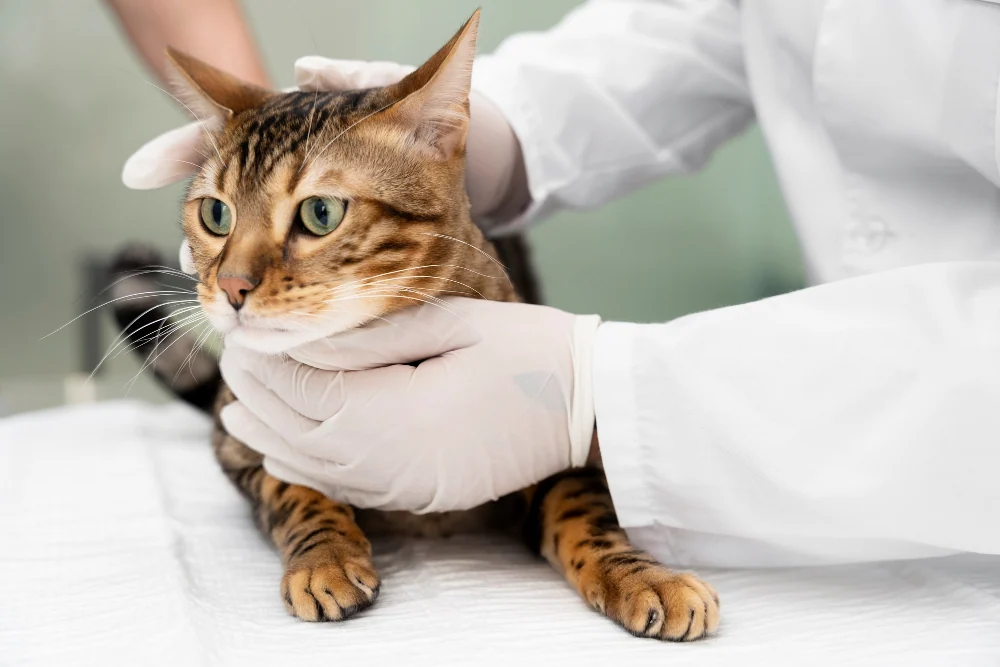
Ferrets – vaccinate
- Canine distemper – almost always fatal in ferrets. A vaccine licensed specifically for ferrets is not always available in the UK; your vet will then choose a suitable vaccine and schedule.
- Rabies – required for travel abroad (pet travel rules) and recommended if the ferret goes outdoors in countries where rabies occurs.
Rodents (guinea pigs, rats, hamsters, chinchillas, degus) – usually not vaccinated
There are no licensed vaccines for them. Protection means:
- at least 30 days of quarantine for new animals;
- good hay and food and clean water;
- an enclosure without draughts or overheating;
- a check-up with an exotics vet after purchase and once a year.
Parrots and other pet birds – usually not vaccinated
Vaccines against Newcastle disease and similar infections are designed for poultry. There is no licensed vaccine against psittacosis (parrot fever) for pet birds. Prevention: 30–45 days of quarantine, buying from reputable breeders, and a PCR test for chlamydia in every new bird. Psittacosis is dangerous to people as well.
Reptiles – no vaccines
The health of tortoises, lizards and snakes depends on husbandry: correct temperature, UV light, humidity and diet. Many reptiles carry Salmonella without symptoms, so wash your hands after every contact, especially if there are children in the home.
When to see a vet urgently
- your rabbit stops eating or has passed no droppings for more than 12 hours (gut stasis is an emergency);
- swelling of the eyelids, nose or ears in a rabbit (possible myxomatosis);
- a bird sits fluffed up on the cage floor or has a runny nose;
- any exotic pet that suddenly becomes dull – these animals often hide illness until very late.
Sources
- WSAVA Guidelines for the Vaccination of Dogs and Cats, 2024 (section on ferrets).
- BSAVA Manual of Rabbit Medicine; data sheets for RHDV1/RHDV2 and myxomatosis vaccines.
- Compendium of Measures to Control Chlamydia psittaci Infection Among Humans and Pet Birds (NASPHV, 2017).
Paw4care editorial team
