
In this article, we will explain how often you should visit the veterinarian, what’s included in a preventive check-up, and why it is so important.
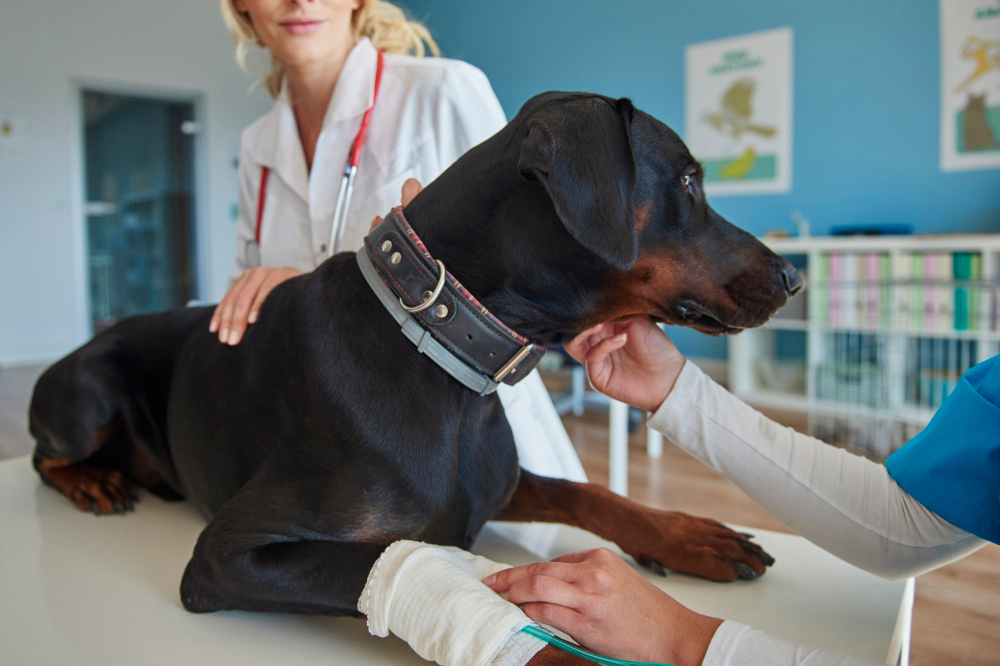
Caring for your pet’s health is not just about proper nutrition, physical activity, and affection. One of the key aspects is regular veterinary visits for preventive check-ups. These visits help detect problems at an early stage, prevent the development of serious illnesses, and ensure your pet lives a long and happy life.
Why Are Preventive Check-ups So Important?
Unlike humans, pets can’t tell us when something hurts. Many illnesses are asymptomatic in the early stages, and owners only notice a problem when the pet’s condition becomes critical. Regular preventive check-ups help:
- Detect hidden diseases: For example, issues with the heart, kidneys, liver, or teeth.
- Prevent the development of chronic diseases: Early diagnosis allows treatment before the illness progresses into a more serious form.
- Adjust care: The veterinarian can provide advice on nutrition, physical activity, and hygiene.
- Ensure timely vaccination and parasite treatments: This is especially important for animals that go outdoors or interact with other pets.
How Often Should You Visit the Veterinarian?
The frequency of preventive check-ups depends on your pet's age, health condition, and lifestyle. Let’s look at the recommendations for different age groups.
1. For Young Animals (up to 1 year old)
Young pets need frequent visits to the veterinarian because their bodies are actively developing, and their immune system is still maturing.
- Puppies and kittens:
- First check-up: at 6-8 weeks of age.
- Visit the vet every 3-4 weeks until 4 months old. This is necessary for scheduled vaccinations, deworming, and growth monitoring.
- The vet will also check if the bones, teeth, and internal organs are developing properly.
- After 4 months:
- Check-up every 6 months.
- During this period, it’s important to monitor your pet’s growth, development, and behavior.
2. For Adult Animals (1-7 years old)
Healthy adult pets require less frequent check-ups, but no less than once a year.
- Dogs and cats:
- Annual preventive check-up.
- The vet will conduct a general check-up, examine the teeth, coat, and skin, and order basic tests (blood, urine, and stool analysis).
- If your pet is active, goes outdoors, or participates in shows:
- Check-up twice a year.
- These pets are more likely to interact with other animals and are at a higher risk of infections or parasites.
3. For Senior Animals (7 years and older)
As pets age, the risk of chronic diseases such as arthritis, diabetes, kidney failure, or heart problems increases. Therefore, check-ups should be more frequent.
- Dogs and cats:
- Check-up every 6 months.
- The vet may order additional tests like ultrasound, X-rays, or hormone level analysis.
- For pets with chronic conditions:
- Follow the vet's recommendation (possibly every 3-4 months).
- Regular check-ups will help monitor your pet's condition and adjust treatment as needed.
What Does a Preventive Check-up Include?
A preventive check-up is a comprehensive health assessment for your pet. Here’s what a visit to the veterinarian typically includes:
General Check-up:
- Examining the condition of the skin, coat, eyes, ears, and teeth.
- Palpation of the lymph nodes, joints, and abdomen.
- Listening to the heart and lungs.
Laboratory Tests:
- Blood test (general and biochemical).
- Urine test (to detect kidney or urinary tract issues).
- Stool test (to identify parasites or digestive problems).
Additional Tests (if needed):
- Ultrasound of internal organs (liver, kidneys, heart).
- X-ray (to evaluate bones and joints).
- Hormone tests (for diagnosing thyroid issues, for example).
Care Consultations:
- Nutritional advice (especially for pets with overweight or food allergies).
- Vaccination and parasite treatment schedule.
- Physical activity recommendations (e.g., for older animals with arthritis).
When Should You Immediately See a Veterinarian?
In addition to scheduled check-ups, it’s important to monitor your pet’s condition and visit the vet if you notice:
- Loss of appetite or weight.
- Lethargy, apathy, or unusual behavior.
- Vomiting, diarrhea, or constipation.
- Coughing, sneezing, or difficulty breathing.
- Skin rashes, itching, or hair loss.
- Pain or discomfort while moving.
Preventive check-ups are key to your pet’s health and longevity. Young animals need more frequent visits, adults should see the vet at least once a year, and senior pets need check-ups every 6 months. Regular visits help identify issues early and prevent the development of serious illnesses.
Remember, caring for a pet means not only giving love and attention but also taking responsibility for their health. Schedule a preventive check-up today!

