
The first visit to the vet is an important milestone in a pet's life. It helps assess the general health condition, detect potential issues, and lay the foundation for further care. However, many pet owners face difficulties: the animal may experience stress, and the check-up itself may take longer due to lack of preparation. In this article, we will discuss how to properly prepare your pet to make the visit comfortable and effective.
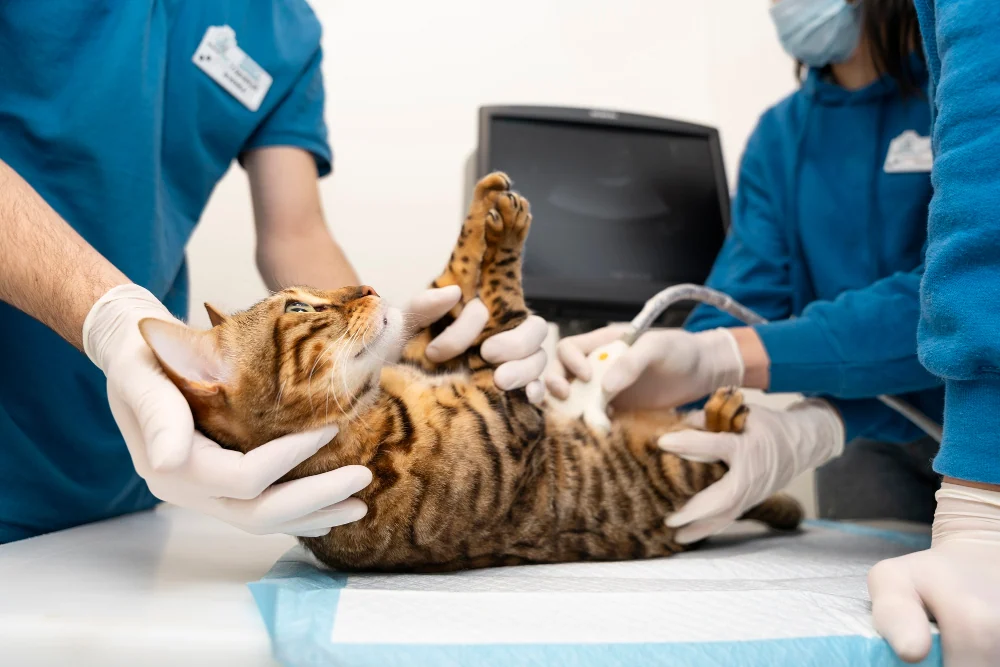
Why is the First Preventive Check-up Important?
The first check-up helps:
- Identify congenital conditions and health issues.
- Determine the vaccination and parasite treatment schedule.
- Receive recommendations on diet and care.
- Discuss the need for sterilization/castration.
- Acclimate your pet to veterinary procedures, reducing future stress.
The earlier the pet undergoes an examination, the quicker potential problems can be identified and the care can be adjusted.
When to Schedule the First Check-up?
The exact timing depends on the pet's age and health condition:
- Puppies and kittens: the first visit is recommended at 6–8 weeks, before starting vaccination.
- Adult pets adopted from shelters or found on the street: as soon as they arrive home, to check their health status.
- Rodents, birds, reptiles: within the first week after purchase, as diseases in these species often remain hidden.
How to Prepare for the Visit?
1. Gather Medical Information
If your pet already has a medical history (for example, documents from the breeder or shelter), bring them along. This will help the vet assess your pet's health more quickly. It’s helpful to note:
- Diet and feeding schedule.
- Any noticeable symptoms (sneezing, diarrhea, behavioral changes).
- Previous illnesses and treatments.
2. Prepare the Carrier or Leash
For comfort and safety, it’s important to transport your pet properly:
- Cats and small animals should be transported in closed carriers to reduce stress.
- Dogs should be walked on a leash, and small breeds can also be carried in a closed pet carrier.
- Birds, rodents, and reptiles should be carried in special containers with ventilation. Leave the carrier open at home before the visit so your pet can get used to it.
3. Calm Your Pet Before the Trip
Don’t show anxiety — animals sense their owner’s emotions.
- Do not feed your pet 3–4 hours before the visit if blood tests are scheduled.
- Use pheromone sprays (for cats) or treats to reduce anxiety.
4. Plan the Trip Properly
Choose a calm time of day, avoiding peak hours at the clinic. In transit, try not to shake the carrier or play loud music. If necessary, use calming medications (on the vet's recommendation).
What is Included in the First Preventive Check-up?
1. General Check-up
The vet will check:
- Coat, skin, eyes, ears, teeth.
- Body temperature, heart rate, and breathing.
- Lymph nodes and joints.
2. Vaccination and Parasite Protection
If the pet is not vaccinated, the vet will create a vaccination schedule. Parasite treatment for fleas, ticks, and worms will be administered if needed.
3. Tests and Diagnostics
Blood, urine, and stool tests (as needed). Ultrasound, X-rays, or other tests if there are suspicions of diseases.
4. Care Consultation
- Choosing the right food and feeding schedule.
- Hygiene schedule (ear cleaning, teeth brushing, nail trimming).
- Recommendations on socialization and behavior.
What to Do After the Visit?
1. Monitor Your Pet
Some animals may experience stress after visiting the clinic. If your pet acts unusually (hiding, refusing food), give it time to adapt.
2. Follow the Vet's Recommendations
If medications or treatments were prescribed, follow the schedule strictly.
3. Schedule the Next Visit
Puppies and kittens need follow-up check-ups during the first few months of life. Adult pets only need one visit per year.
The first visit to the vet is not just a formality, but an important step toward a healthy and long life for your pet. Proper preparation reduces stress, and timely recommendations from the vet help prevent many future issues. Make the first visit comfortable, and subsequent trips to the vet will be easier for your pet!
