
Microchipping is a procedure in which a tiny microchip with a unique code is inserted under your pet’s skin, and this code is registered in a database linked to the owner's contact information. This method of identification helps reunite lost pets, confirms ownership, and is mandatory in some countries for international travel.
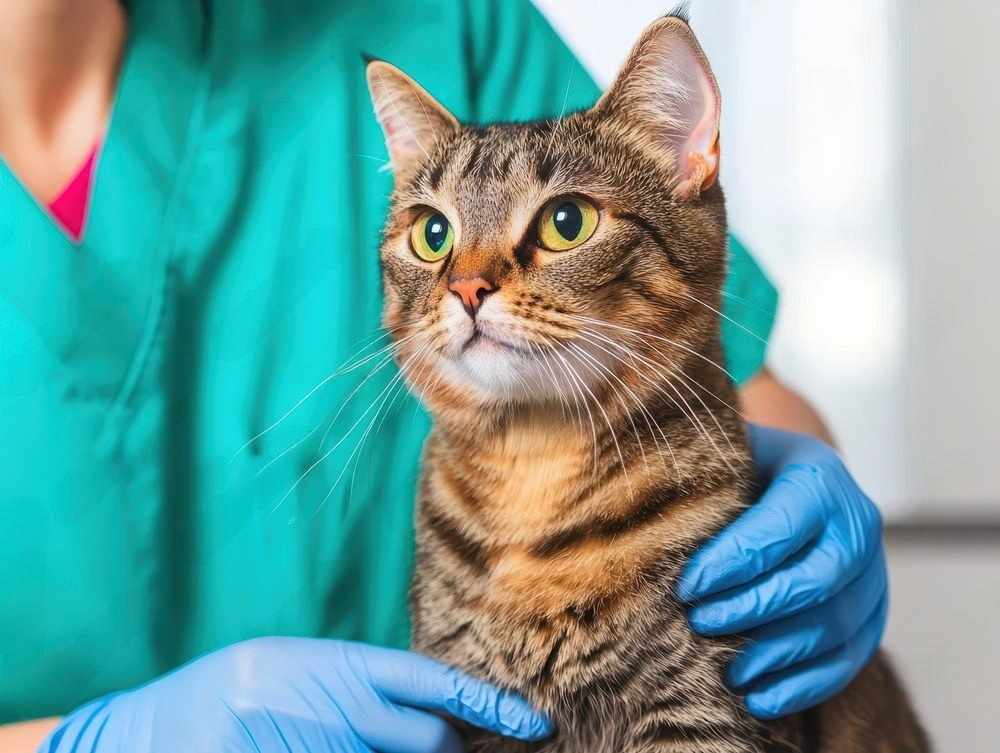
Why is Microchipping So Important?
Every year, thousands of cats and dogs get lost or run away. Without a reliable identification method, finding them can be difficult. Microchipping solves this problem because:
- Increases the chances of your pet being returned home – Veterinary clinics and shelters can quickly identify the animal via the chip.
- Mandatory for international travel – In most countries, animals cannot cross borders without a chip.
- Prevents theft – If the pet ends up with someone else, the chip will prove ownership.
- Lasts a lifetime – Unlike collars and ID tags, the chip stays with the animal for life.
How Does the Microchipping Process Work?
1. Choose a Clinic for Microchipping
Microchipping should only be performed at certified veterinary clinics or specialized centers. Before the procedure, make sure the clinic uses high-quality certified chips and registers them in a reliable database.
2. Preparing for the Procedure
No special preparation is required for microchipping, but it's recommended to:
- Ensure the pet is healthy – If there are signs of illness, it's better to postpone the procedure.
- Check the age guidelines – Puppies and kittens can be microchipped from 8 weeks of age.
- Schedule the appointment in advance – This helps reduce stress for your pet.
3. Inserting the Microchip
The procedure takes only a few minutes and follows these steps:
- The veterinarian takes a sterile chip from its packaging.
- The chip number is scanned before insertion to ensure it’s functioning correctly.
- The veterinarian uses a syringe to insert the chip under the skin at the shoulder blades.
- The chip is checked again with a scanner to ensure it is working properly.
The procedure is painless and does not require anesthesia – the pet only feels a slight pinch, similar to a regular vaccination.
4. Registration in the Database
After the chip is inserted, it’s important to register the details in the database. The veterinarian or the owner can do this through an online platform.
The following information is registered:
- Unique chip number.
- Pet’s name and breed.
- Owner’s contact details (phone, address).
- Date and location of microchipping.
Without registration, the chip is useless – even if the pet is found, it will be impossible to identify the owner.
5. Checking the Chip’s Functionality
A few weeks after the procedure, it’s recommended to visit the veterinarian to check that the chip is working properly. It should be easily readable by a scanner and stay in place.
Frequently Asked Questions About Microchipping
Can the Chip Be Removed or Replaced?
The chip does not need to be replaced and lasts the pet’s lifetime. Removal is only possible through surgery, which is not recommended as the procedure is complicated and unnecessary.
Is the Chip Dangerous for the Pet?
No, microchips are safe. They do not cause allergies and do not interfere with the pet’s life. In rare cases, there may be slight irritation at the insertion site, but this passes in a few days.
Is Microchipping Mandatory?
In many countries, microchipping is required for international travel, participation in exhibitions, or pet registration. Additionally, some municipalities mandate microchipping for domestic pets.
How Is Microchipping Better Than a Collar with ID Tags?
An ID tag can be lost, worn down, or removed, whereas the microchip remains permanently under the pet's skin and ensures reliable identification.
Can an Adult Dog or Cat Be Microchipped?
Yes, microchipping can be done at any age. The procedure is safe for both young and adult animals.
What Should I Do If My Pet Goes Missing?
If your pet is lost, follow these steps:
- Report the loss to the database. Some databases allow you to mark your pet as "lost" so finders can contact you more quickly.
- Contact shelters and veterinary clinics, where they can scan the chip.
- Post lost pet notices on social media and specialized pet finding websites.
- Continue searching the surrounding area – pets often stay close to the location where they were lost.
Where Can I Check the Chip Registration?
You can check the registration on international and national databases such as:
- Europetnet
- Petmaxx
- ICAR
It’s important to ensure your contact details are up to date, so if your pet is found, the authorities can reach you.
Microchipping is a simple and reliable way to protect your pet. The procedure takes only a few minutes but can save your pet’s life if it gets lost. The key is to register the chip in the database and keep your contact details current.

