
Choosing the right vaccine for your pet is a crucial decision that affects their health and protection against dangerous diseases. The modern market offers many vaccines with different compositions, manufacturers, protection spectrum, and manufacturing technologies. Veterinarians consider effectiveness, safety, side effects, and ease of use when selecting vaccines.
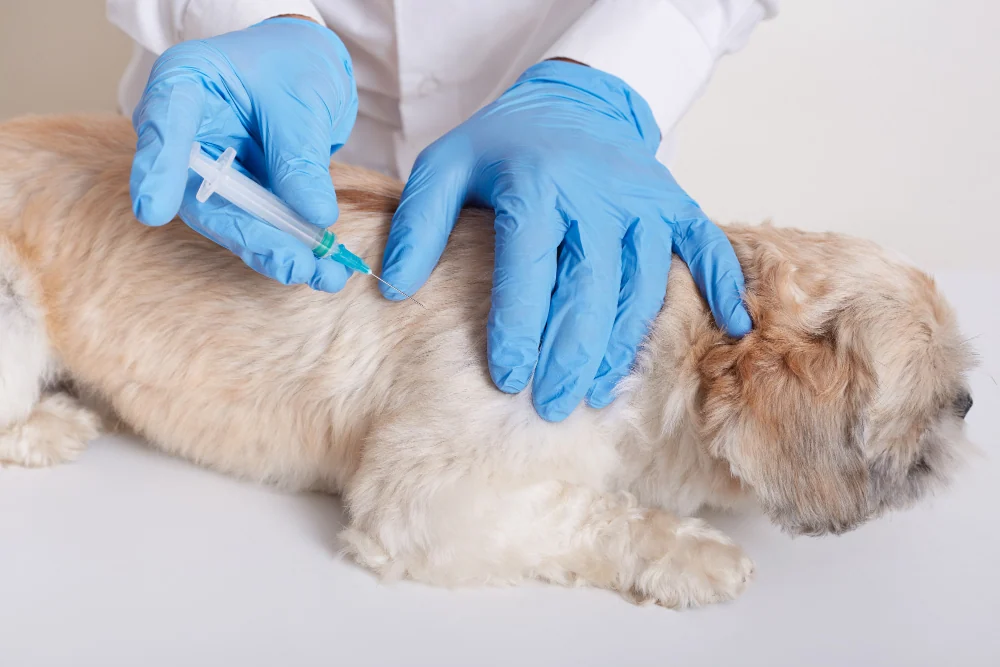
In this article, we will explore the main types of vaccines, compare popular brands, and discuss which vaccines are most commonly recommended by professionals.
Main Threat
Pets are susceptible to a wide range of infectious diseases that cannot be prevented without vaccination. Even if your pet doesn’t go outdoors, they can still get infected through their owner's shoes, contaminated items, or contact with other animals.
Some viruses (such as rabies) are fatal, while others (such as panleukopenia and canine distemper) lead to serious complications. Making the wrong choice of vaccine or failing to follow the vaccination schedule can jeopardize your pet's life.
Types of Pet Vaccines
Vaccines can be classified in various ways.
1. By Composition:
- Monovalent vaccines – contain antigens from a single pathogen (e.g., rabies vaccine).
- Polyvalent vaccines – protect against several diseases at once (e.g., combined vaccines for distemper, parvovirus, adenovirus, and leptospirosis in dogs).
2. By Manufacturing Method:
- Live (attenuated) vaccines – contain weakened viruses and trigger a strong immune response.
- Inactivated (killed) vaccines – contain killed microorganisms and cannot cause disease; immunity develops more slowly, and two doses are usually needed.
3. By Administration Method:
- Injectable vaccines – administered subcutaneously or intramuscularly.
- Intranasal vaccines – drops into the nose (for example against kennel cough in dogs); oral vaccines are hardly used in pets.
- Intranasal vaccines – nasal drops (used for some respiratory infections).
Comparison of Popular Vaccine Brands
Several leading manufacturers produce vaccines that are widely used by veterinarians worldwide.
1. Nobivac (MSD Animal Health)
- Features: One of the most popular vaccines for cats and dogs. Offers both monovalent and polyvalent vaccines. Proven effectiveness and low risk of side effects. Widely used in Europe and the US.
- Popular Vaccines:
- Nobivac DHPPi – for dogs (distemper, hepatitis, parvovirus, parainfluenza).
- Nobivac Tricat Trio – for cats (panleukopenia, rhinotracheitis, calicivirus).
- Nobivac Rabies – rabies vaccine.
2. Eurican (Boehringer Ingelheim)
- Features: High immunogenicity. Good tolerance in puppies and kittens. Convenient packaging and low risk of allergic reactions.
- Popular Vaccines:
- Eurican DHPPi2-LR – for dogs (distemper, parvovirus, adenovirus, leptospirosis, rabies).
- Eurican Herpes 205 – for herpes prevention in dogs.
3. Purevax (Merial, now Boehringer Ingelheim)
- Features: Designed specifically for cats. Free from adjuvants (reducing the risk of side effects). Used to prevent feline leukemia, rabies, and respiratory infections in cats.
- Popular Vaccines:
- Purevax RCPCh FeLV – for cats (panleukopenia, rhinotracheitis, calicivirus, chlamydia, leukemia).
4. Vanguard (Zoetis, formerly Pfizer)
- Features: Highly purified components. Good tolerance even in weakened animals. Protection from most dangerous viruses.
- Popular Vaccines:
- Vanguard Plus 5 L4 – for dogs (comprehensive protection from distemper, parvovirus, adenovirus, leptospirosis).
Protecting Your Pet at Home Before Vaccination
Before vaccination, it is essential to take certain precautions:
- Ensure the pet is healthy (no vomiting, diarrhea, or eye/nose discharge).
- Deworm the pet 10–14 days before vaccination.
- Do not change the pet’s diet before vaccination to avoid allergies.
- Provide rest after vaccination.
Protecting Your Pet Outdoors After Vaccination
After vaccination, the immune system does not form immediately, so it’s important to follow these precautions:
- Limit contact with other animals for 10–14 days.
- Avoid taking your pet to potentially infected areas.
- Prevent stress and avoid cold environments.
Additional Preventive Measures
To ensure successful vaccination, consider the following tips:
- Your vet chooses the type of vaccine based on the disease, your pet’s health and lifestyle – not only on age; use vaccines licensed in your country.
- Follow the vaccination schedule. Missing booster shots can reduce protection.
- Consult with your vet. A professional will recommend a vaccine based on your pet's individual needs.
- Store vaccines properly. If you purchase the vaccine yourself, make sure it has been stored at the correct temperature.
What to Do if Your Pet Has a Reaction to the Vaccine?
Some pets may experience mild discomfort after vaccination, which is normal, but there are cases that require attention:
- Mild reactions (normal): Small swelling at the injection site, lethargy, short-term fever.
- Moderate reactions (consult your vet): Loss of appetite lasting more than a day, significant swelling, diarrhea, vomiting.
- Severe reactions (emergency help needed): Anaphylactic shock, seizures, difficulty breathing.
Choosing the right vaccine is key to your pet's health. Veterinarians recommend trusted brands, considering each animal's individual needs. Following the vaccination schedule, proper preparation, and attentive monitoring of your pet’s condition will help prevent complications and provide reliable protection against dangerous diseases.
