
Vaccination: An Important Step in Pet Care
Vaccination is a crucial step in maintaining your pet's health. It protects against dangerous infections, prolongs life, and reduces the risk of disease spread. However, after vaccination, pets may experience side effects that often cause concern among owners. Most of these effects are harmless and pass on their own, but in some cases, veterinary assistance is required.
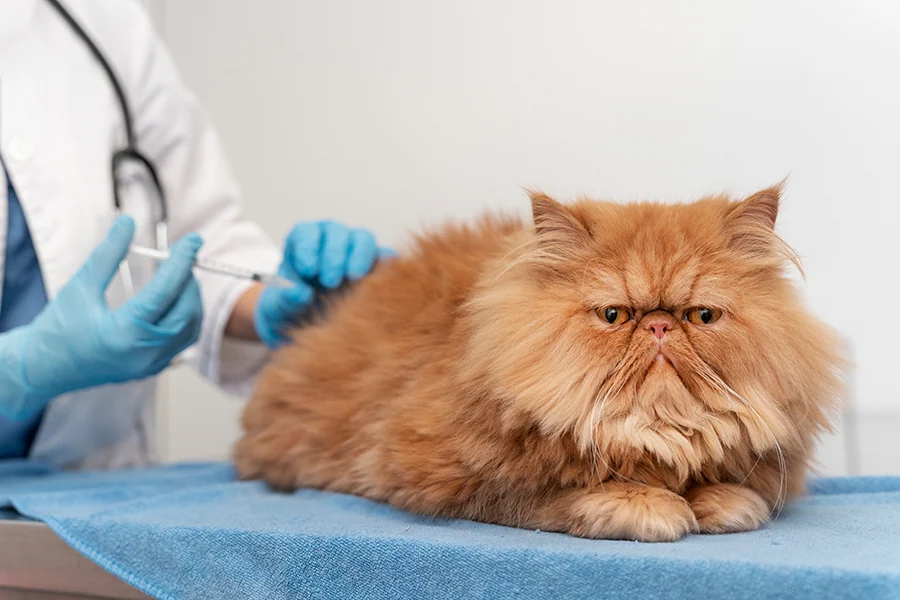
In this article, we will discuss what reactions to expect after vaccination, when you should be concerned, and how to help your pet cope with temporary discomfort.
Main Threat
After vaccination, the immune system begins its active work to create protection against infections. This process is accompanied by certain bodily reactions, which may manifest as weakness, fever, or minor changes in behavior.
While most side effects are not serious, some conditions require urgent intervention. It is important to know what reactions are normal and which ones require attention.
Types of Side Effects
All side effects can be roughly divided into two groups: local and systemic.
1. Local Reactions
These side effects appear at the site of vaccine injection and are the most common. They typically resolve on their own without treatment.
- Swelling and a small lump: Sometimes, a lump forms at the injection site, which may persist for a few days.
- Pain upon touch: The pet may flinch or avoid being touched at the injection site.
- Redness of the skin: Minor irritation at the injection site is considered normal and usually disappears within 1-3 days.
2. Systemic Reactions
These affect the entire body and can manifest in various symptoms:
- Drowsiness and lethargy: The pet may become less active for 24-48 hours after vaccination.
- Fever: A slight increase in temperature (up to 39.5°C) is a normal reaction to the vaccine.
- Loss of appetite: The pet may eat less or refuse food, but this should not last more than a day.
- Gastrointestinal disturbances: Some animals may experience vomiting or diarrhea, particularly if they have a heightened sensitivity to the vaccine.
- Allergic reactions: Rarely, pets may develop skin itching, facial swelling, or even anaphylactic shock.
Protecting Your Pet at Home
After vaccination, it is important to ensure that your pet has a comfortable environment to recover:
- Rest and relaxation: Avoid physical activity and allow your pet to rest.
- Monitor temperature: If the temperature exceeds 39.5°C and does not drop, contact a veterinarian.
- Access to water: Make sure your pet drinks plenty of water to aid in recovery.
- Do not touch the injection site: Avoid massaging or pressing the area to prevent exacerbating inflammation.
- Monitor their condition: If your pet refuses food for more than 24 hours or shows unusual symptoms, consult a veterinarian.
Protecting Your Pet Outdoors
For several days after vaccination, your pet’s immunity may be weakened, so it is important to follow precautionary measures:
- Limit contact with unfamiliar animals: They may carry infections that the vaccine has not yet protected against.
- Avoid crowded areas with other pets: Stray animals may transmit viruses and parasites.
- Watch physical exertion: Do not engage in long walks or intense exercise right after vaccination.
- Wash paws after walks: This will help avoid contact with bacteria and viruses.
Additional Preventive Measures
Some actions can help reduce the risk of side effects and prepare your pet for vaccination:
- Use quality vaccines: Using proven products from trusted manufacturers reduces the likelihood of complications.
- Follow the vaccination schedule: Vaccinate your pet according to the veterinarian’s recommendations.
- Check health before vaccination: Do not vaccinate if the animal is unwell or has recently been ill.
- Proper nutrition: A balanced diet supports the immune system and facilitates quicker recovery.
- Monitor reactions: If your pet has previously experienced severe allergic reactions to vaccines, the vet may recommend alternative vaccination options.
What to Do if Complications Occur?
In rare cases, serious side effects may occur, requiring immediate veterinary attention:
- Severe weakness, loss of consciousness.
- Severe shortness of breath or difficulty breathing.
- Swelling of the face, lips, eyelids, or paws.
- Seizures, loss of coordination.
- Severe vomiting and diarrhea lasting more than 24 hours.
If your pet exhibits any of these symptoms, contact a veterinary clinic immediately.
Vaccination is an essential part of pet care, protecting your animal from dangerous diseases. Most side effects resolve on their own, but it’s important for owners to closely monitor their pets' condition. By following simple guidelines, you can minimize discomfort and ensure your pet’s safety and comfort. If in doubt, it’s always best to consult a veterinarian—timely help can prevent serious problems.
