
The health of pets largely depends on timely veterinary care. Many diseases develop gradually, and without preventive check-ups, they can be difficult to detect. Regular visits to the vet help identify hidden problems, adjust diet, ensure vaccination, and start treatment on time when necessary. In this article, we'll discuss how often pets of different ages need to be checked and what examinations they should undergo.
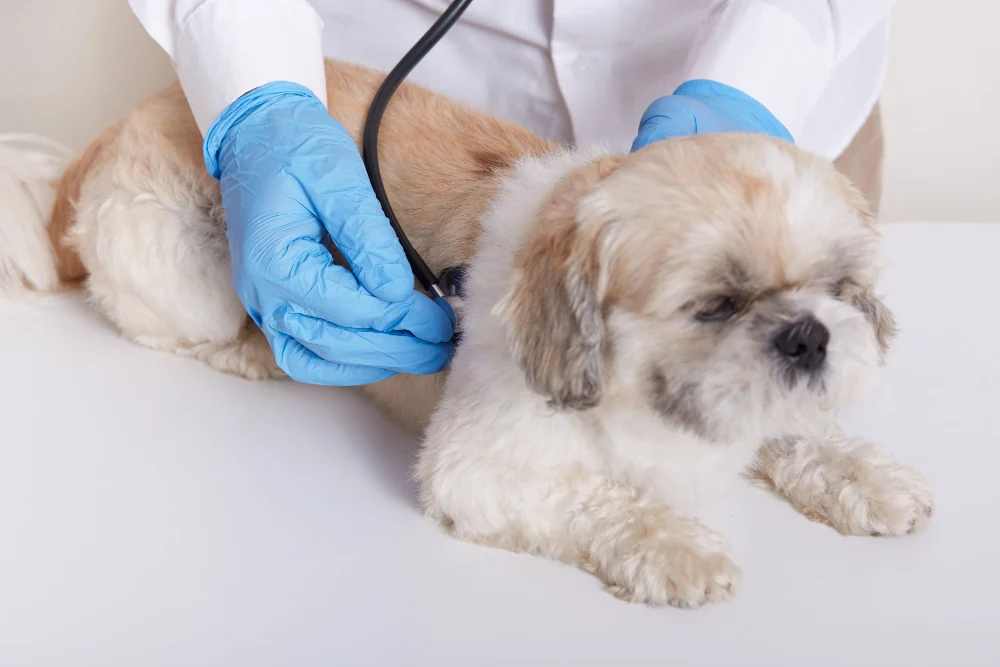
Why is it Important to Plan Regular Check-ups?
An animal’s body changes over time. Puppies and kittens require monitoring for proper growth, adult pets need disease prevention, and senior animals need additional diagnostics. Regular check-ups allow:
- Detecting diseases at an early stage, when they are easier to treat.
- Selecting the right diet and care based on age.
- Monitoring weight and metabolism.
- Adjusting vaccination and parasite protection schedules.
- Identifying hereditary and age-related conditions.
How Often Should You Take Your Pet for Check-ups?
The frequency of veterinary visits depends on your pet's age and health status.
Check-ups for Puppies and Kittens (0–12 months)
In the first months of life, your pet’s body is rapidly developing, making it especially vulnerable to infections and congenital diseases.
- First visit: at 6–8 weeks – general check-up and first vaccination.
- Subsequent visits: every 3–4 weeks until the vaccination course is completed.
- Check for congenital diseases (e.g., hip dysplasia, heart defects, etc.).
- Discuss diet and care – select an appropriate feeding plan, and perform parasite treatment.
- Planning sterilization/castration: usually done at 6–12 months.
Check-ups for Adult Pets (1–7 years)
Healthy adult pets need regular prevention.
- Annual check-up: once a year.
- Blood and urine tests: to monitor internal organs.
- Vaccination: according to schedule.
- Parasite treatment: as recommended by the vet.
- Dental check: to prevent oral health issues.
- Weight and diet control: monitoring for obesity or malnutrition.
Check-ups for Senior Pets (7 years and older)
As pets age, the risk of chronic diseases increases.
- Bi-annual check-up: once every 6 months.
- Extended diagnostics: blood tests, urine tests, ultrasound of internal organs.
- Joint health monitoring: checking for arthritis and hip dysplasia.
- Cardiac check-up: especially important for breeds prone to heart diseases.
- Regular dental care: teeth cleaning and removal of tartar.
What Does a Preventive Check-up Include?
1. General Check-up
The vet will assess the condition of the skin, coat, mucous membranes, eyes, ears, teeth, lymph nodes, and joints.
2. Vital Signs Measurement
- Body temperature.
- Respiratory rate and heart rate.
- Checking for swelling, limping, and tenderness.
3. Laboratory Tests
- General and biochemical blood tests: to detect inflammation, liver, kidney, and other organ diseases.
- Urine test: to diagnose infections and diseases of the urinary system.
- Fecal analysis (coprogram): to detect intestinal parasites.
4. Diagnostic Imaging
- Abdominal ultrasound.
- X-ray if joint or internal organ problems are suspected.
- ECG to assess heart function.
5. Additional Procedures
- Vaccination.
- Parasite treatment.
- Dental examination and teeth cleaning.
What if Your Pet is Sick or Has Chronic Conditions?
If a pet has already been diagnosed with a disease, the frequency of check-ups increases. For example:
- Diabetic animals need blood sugar monitoring and insulin therapy adjustments.
- Pets with chronic kidney disease require regular ultrasounds and blood tests.
- Animals with heart problems should undergo cardiac check-ups every 3–6 months.
How to Prepare Your Pet for the Check-up?
- Note down any symptoms or behavioral changes that you’ve observed.
- If blood tests are scheduled, do not feed your pet 3–4 hours before the appointment.
- For cats, use a comfortable carrier to reduce stress.
- For dogs, use a well-fitting collar or harness.
- Bring the veterinary passport and results from previous check-ups.
Regular check-ups are the foundation of your pet’s health at every stage of life. Puppies and kittens require frequent monitoring, adult pets need a visit once a year, and seniors should be checked at least twice a year. By planning preventive check-ups in advance, you ensure your pet lives a long, healthy, and happy life!
