
Regular preventive check-ups are the key to your pet’s health and longevity. However, it is equally important to choose a reliable veterinary clinic where the check-ups will be conducted professionally, in a comfortable environment, and with attention to the pet’s individual characteristics. In this article, we will discuss what to consider when choosing a veterinary clinic, what criteria are important, and what services should be provided by a good veterinary center.
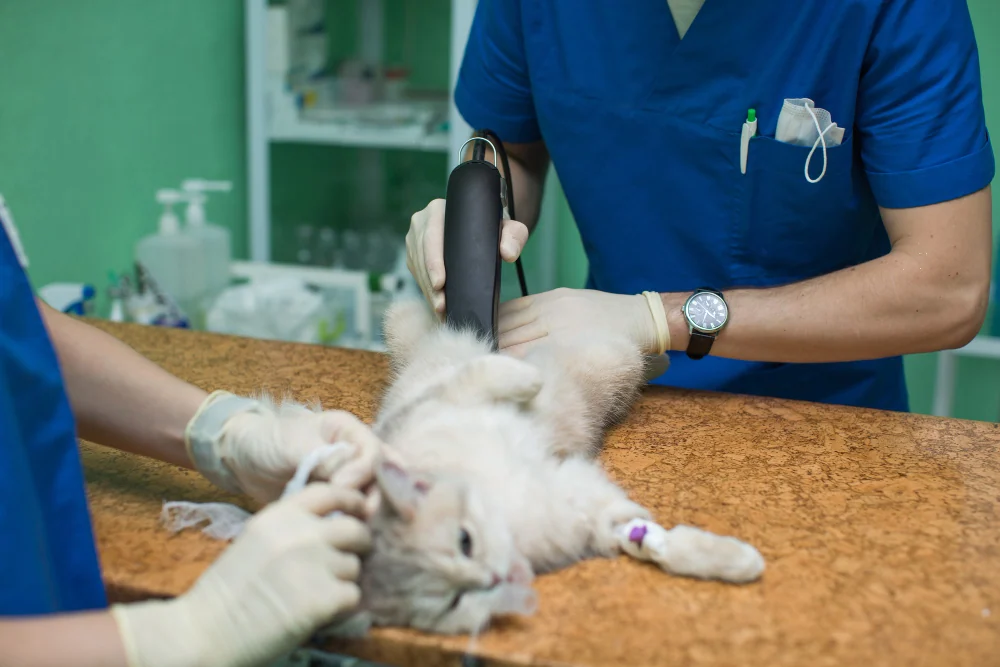
Why Is It Important to Choose the Right Clinic?
The choice of a veterinary clinic directly affects the quality of diagnostics, the effectiveness of treatment, and the overall health of your pet. Poor quality examinations can lead to late detection of diseases, incorrect treatment, and even worsening of the animal’s condition.
A good clinic is not just a place for check-ups; it is a reliable partner in caring for your pet's health. The veterinarians should know its medical history, consider the breed, age, physiological features, and provide informed recommendations for prevention.
What Criteria Are Important When Choosing a Veterinary Clinic?
1. Reputation and Reviews
Before choosing a clinic, it is important to research reviews from other pet owners. These can be found on:
- The clinic’s website.
- Pet owners’ groups and forums.
- Social media and specialized clinic rating services.
It is essential to consider not only positive but also negative reviews, especially those that mention diagnostic quality, treatment errors, or unprofessional behavior from the staff.
2. Qualification and Experience of Veterinarians
It is best to choose a clinic where specialists have confirmed qualifications. Pay attention to:
- Education and specialization of the doctors.
- Experience working with your pet’s breed.
- Certifications and advanced training courses.
- Availability of specialists in specific fields (cardiologists, dermatologists, ophthalmologists, etc.).
Some diseases require consultation not only with a general practitioner but also with specialists.
3. Equipment and Technical Capabilities
The clinic should have modern diagnostic equipment that allows for a comprehensive examination without the need to refer to other facilities. It is important that the clinic has:
- A laboratory for blood, urine, and stool tests.
- Ultrasound equipment.
- X-ray equipment.
- Cardiological examinations (ECG, Doppler).
- Endoscopy.
Having in-house equipment speeds up diagnostics and ensures accurate results.
4. Cleanliness and Animal Care Conditions
Cleanliness is a crucial indicator of the clinic’s quality. It is important that:
- The premises are clean and odor-free.
- Single-use or sterilized instruments are used.
- There is zoning (separate rooms for healthy and sick animals, and a hospital ward).
- An infectious disease unit reduces the risk of healthy pets becoming infected.
5. List of Services
In addition to standard check-ups, the clinic should provide services such as:
- Vaccination.
- Hygienic procedures (ear cleaning, nail trimming, parasite treatment).
- Dentistry (teeth cleaning, gum treatment).
- Surgery (if required).
- Microchipping.
The broader the range of services, the more convenient it is for the pet owner, as there is no need to visit other clinics for additional procedures.
6. Availability and Location Convenience
It is better to choose a clinic that is located near your home. This is especially important in case of emergency or for regular check-ups. Also, consider:
- The clinic's working hours (whether they offer night shifts, are open on weekends).
- The possibility of home visits from a vet.
- Availability of parking.
In emergency situations, the time spent traveling to the clinic can make a crucial difference.
7. Staff’s Attitude Toward Animals and Owners
It is essential that veterinarians and administrative staff are attentive, friendly, and capable of establishing rapport with animals. Pay attention to:
- Their willingness to answer owners’ questions.
- Patience and gentle treatment of pets.
- A calm atmosphere that minimizes stress for the animal.
If the vet is not rushed, explains the diagnosis, and answers questions in detail, that’s a good sign.
What Services Should Be Included in a Preventive Check-up?
1. Initial Clinical Examination
The veterinarian checks:
- Coat and skin condition.
- Eyes, ears, teeth, and mucous membranes.
- Weight and physical condition.
- Body temperature.
2. Laboratory Tests
Recommended tests include:
- General and biochemical blood tests.
- Urine and stool tests.
- Parasite tests.
3. Diagnostic Procedures
- Ultrasound of internal organs.
- Cardiological examination (ECG, Doppler).
- X-ray if necessary.
4. Vaccination and Parasite Treatment
If there are no contraindications, the veterinarian performs scheduled vaccinations and recommends treatment for fleas, ticks, and worms.
5. Individual Recommendations
The veterinarian provides advice on nutrition, care, physical activity, and any required medical procedures.
How to Know When the Clinic Isn’t Right?
If at the clinic:
- Vets treat animals roughly.
- Staff cannot explain their actions or diagnosis.
- Sanitary standards are not followed.
- Necessary equipment is missing, and you are sent to another facility.
- Expensive tests are constantly being prescribed without explanation.
It’s better to look for another place for preventive check-ups.
Choosing a veterinary clinic is an essential step in maintaining your pet’s health. A reliable clinic with qualified specialists, modern equipment, and a caring attitude toward animals helps identify problems early, prevent chronic diseases, and ensure your pet enjoys a long, healthy life. Don’t neglect preventive check-ups—they are the foundation of your pet’s longevity!
