
Laboratory tests are a crucial part of diagnosing diseases in pets. They provide veterinarians with accurate information about a pet's health, helping to identify problems and determine the best course of treatment. However, interpreting test results can be a challenging task for pet owners. Understanding how to properly read the results will help you better comprehend what is going on with your pet and guide you on what to do next.
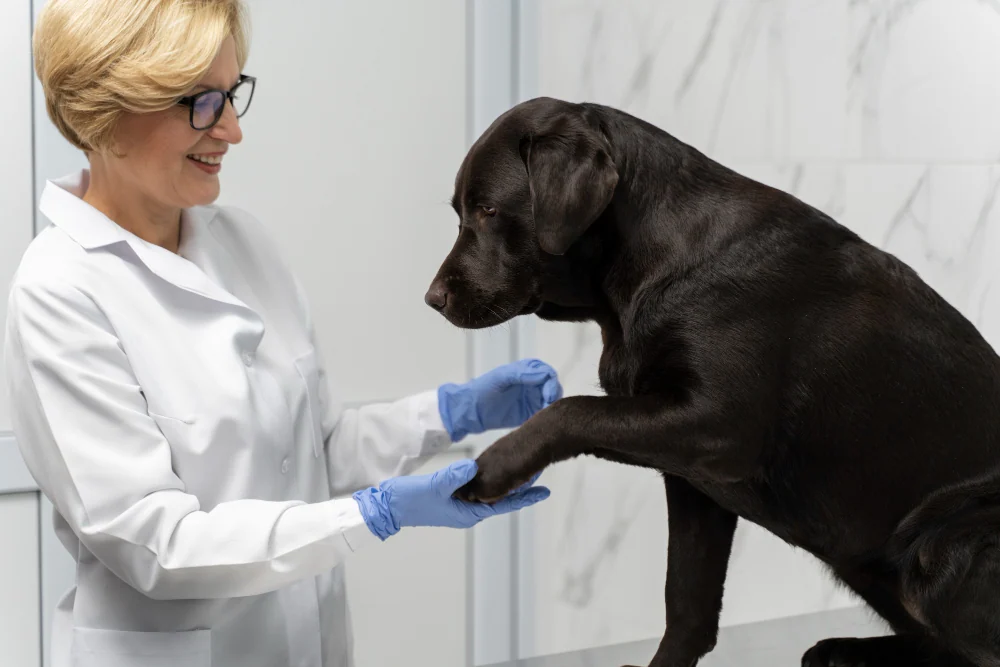
Why Perform Laboratory Tests on Pets?
Laboratory tests offer valuable insights that can help detect diseases that may not be visible during a physical examination. For example, they can assist in diagnosing infections, parasitic diseases, organ dysfunctions, and even chronic conditions that do not show external symptoms in the early stages.
Types of Laboratory Tests Performed on Pets
- Complete Blood Count (CBC)
- Biochemical Blood Test
- Urine Test
- Fecal Test (to detect parasites)
- Genetic Tests
- Hormonal Tests
Each of these tests helps identify specific issues in the pet's body. For example, a CBC can indicate inflammation or anemia, while a biochemical blood test can point to liver or kidney problems.
What Does the Complete Blood Count (CBC) Reveal?
The Complete Blood Count (CBC) is one of the most common and informative tests used to detect a wide range of diseases. It’s important to understand that normal values can vary depending on the breed, age, and health status of the pet.
Key Parameters in the CBC:
- Hemoglobin (Hb) – Low levels may indicate anemia.
- Leukocytes (WBC) – Increased white blood cell count may signal inflammation or infection.
- Erythrocytes (RBC) – A low red blood cell count can be associated with anemia.
- Platelets (PLT) – A low platelet count may indicate clotting problems.
Any deviations from normal values require further investigation to determine the underlying cause.
What Does the Biochemical Blood Test Show?
A biochemical blood test provides information about the functioning of organs such as the liver, kidneys, pancreas, and others. It helps detect various diseases at an early stage, such as diabetes, kidney failure, liver disease, and metabolic disorders.
Key Indicators in the Biochemical Blood Test:
- Alanine Aminotransferase (ALT) – Elevated levels can indicate liver disease.
- Creatinine and Urea – Increased levels may suggest kidney problems.
- Glucose – High levels can be a sign of diabetes.
- Proteins (Total Protein, Albumin) – Abnormalities may point to liver or kidney issues.
These markers give the veterinarian a clear understanding of the pet’s internal health and possible disorders.
Urine Test: What to Pay Attention to?
A urine test is another essential tool for diagnosing urinary system diseases, kidney problems, and diabetes. The veterinarian will analyze factors like color, odor, acidity, and the presence of proteins, sugars, and other substances.
Key Points to Consider in the Urine Test:
- Transparency and Color – Cloudy or bloody urine may indicate urinary tract infections or kidney disease.
- Protein Levels – The presence of protein could signal kidney disease.
- Glucose – If sugar is present in the urine, it may indicate diabetes.
When interpreting the results, it's important to consider the pet's condition, age, sex, and other individual factors.
Fecal Test: How to Detect Parasites and Other Issues?
A fecal test is performed to detect parasites such as worms, amoebas, or other microscopic organisms that may affect the pet's health. It can also help diagnose gastrointestinal inflammation and other digestive issues.
What Can the Fecal Test Show?
- Parasite Eggs – The presence of parasite eggs is one of the first signs of parasitic infestations.
- Microorganisms – Bacteria or protozoa that cause infections or inflammation.
- Blood – The presence of blood in the stool could indicate issues in the intestines or stomach.
If the fecal test reveals parasites, the veterinarian will prescribe the appropriate treatment.
Genetic Tests: How Do They Help with Diagnosis?
Genetic tests can determine whether a pet is predisposed to certain diseases, such as hip dysplasia, cardiomyopathy, or inherited conditions. This is especially important for purebred animals that may be prone to hereditary diseases.
When Should Genetic Tests Be Performed?
- If there is suspicion of hereditary diseases.
- To choose the best treatment or preventive measures.
- When planning breeding to prevent the transmission of genetic diseases to offspring.
Genetic test results allow pet owners to take preventive measures to avoid future health problems.
How to Properly Interpret Laboratory Test Results?
- Compare with Normal Values – It’s crucial to understand what values are considered normal for the specific species and breed of the pet.
- Pay Attention to Deviations – Any deviations from normal values should be further investigated.
- Consult Your Veterinarian – A veterinarian can always help interpret the test results and recommend the next steps.
- Use Results in Context – Never judge a pet’s health based on one test alone. It’s important to consider all results together with symptoms and clinical conditions.
Laboratory tests are an invaluable tool for diagnosing pet diseases. They can detect many conditions in their early stages, when treatment is still possible and effective. Knowing how to properly interpret test results will help pet owners not only understand their pet's health better but also seek timely medical help when needed.
