
How to Assess Your Pet's Symptoms and Take Action on Time
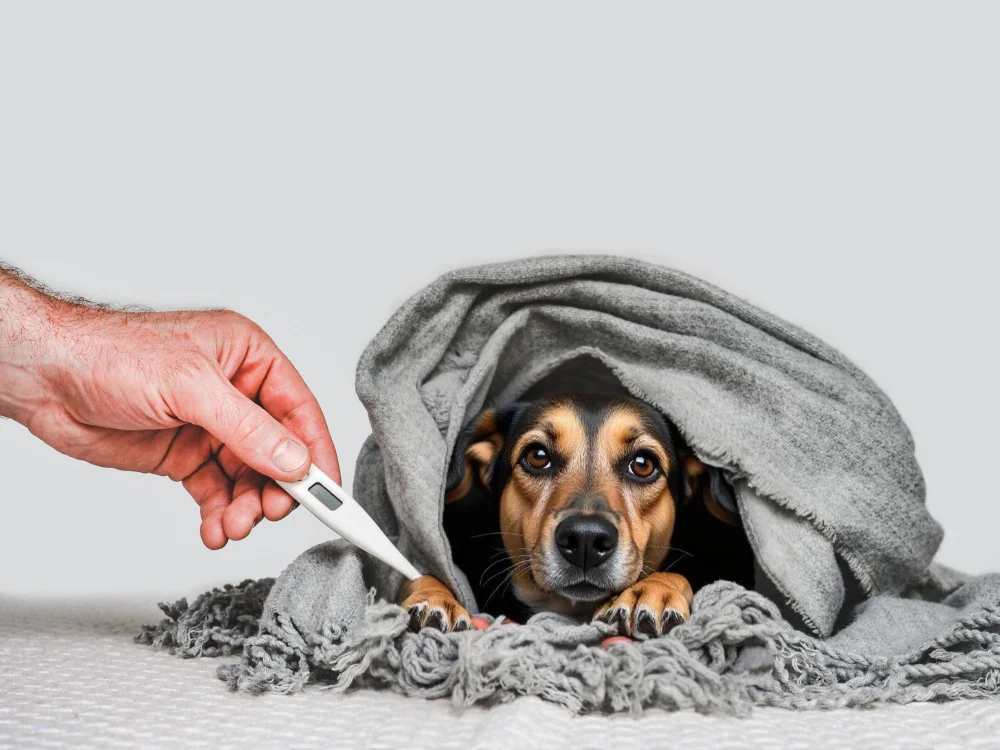
Why is it important to recognize your pet's symptoms?
Pets cannot tell us how they are feeling, so it's up to pet owners to closely monitor changes in their behaviour and physical state. Early diagnosis helps avoid complications and ensures timely veterinary intervention.
Which pets are at higher risk?
- Senior pets
- Breeds prone to chronic conditions
- Pets with weakened immune systems
- Pets that have recently experienced stress (such as moving, changing their diet, or undergoing surgery)
Key Symptoms to Watch Out For
1. Changes in Appetite and Drinking Habits
Dangerous symptom: A sudden decrease or complete refusal to eat or drink.
Possible causes: Infections, dental problems, organ disease.
What to do: Check the oral cavity, offer soft food, and if the refusal lasts for more than 24 hours, seek veterinary help.
2. Lethargy and Decreased Activity
Dangerous symptom: Your pet is sleeping more than usual, doesn’t respond to usual stimuli, or avoids interaction.
Possible causes: Infections, anaemia, heart problems.
What to do: Measure temperature, check for other symptoms, and rule out stressors.
3. Breathing Problems
Dangerous symptom: Shortness of breath, wheezing, or difficulty breathing.
Possible causes: Respiratory infections, heart conditions, allergies.
What to do: Check the mucous membranes (if they are blue, go to the vet immediately), and ensure access to fresh air.
4. Skin and Coat Issues
Dangerous symptom: Bald patches, redness, sores, or peeling.
Possible causes: Allergies, fungal infections, parasites.
What to do: Inspect the skin for fleas, ticks, or irritations, and consider switching to hypoallergenic food.
5. Changes in Stool and Urination
Dangerous symptom: Diarrhoea, constipation, or blood in urine or faeces.
Possible causes: Infections, gastrointestinal issues, parasites, urinary stones.
What to do: Monitor the colour and consistency of the waste, and if issues persist, contact your vet.
6. Discharge from Eyes, Nose, or Ears
Dangerous symptom: Thick, purulent, or bloody discharge.
Possible causes: Infections, allergies, inflammatory processes.
What to do: Gently clean the affected area, and if symptoms persist, consult a vet.
How to Conduct a Self-Examination of Your Pet?
- Check temperature (normal for cats and dogs is 37.5–39°C).
- Inspect mucous membranes (paleness, redness, or yellowness are warning signs).
- Check pulse and breathing (an increased or weak pulse may indicate heart problems).
- Palpate the body (lumps, tenderness, or weight changes should raise concern).
- Evaluate the condition of skin and coat (dryness, dandruff, or itching may indicate illness).
When to Urgently See a Vet?
- Temperature above 40°C or below 37°C.
- Seizures, loss of consciousness, paralysis.
- Bloody stool or vomit with blood.
- Difficulty breathing or no breathing.
- Acute pain (sharp cries, aggressive behaviour when touched).
How to Prevent Illnesses in Your Pet?
- Regular veterinary check-ups.
- Vaccinations and parasite treatments.
- Balanced diet and clean water.
- Keeping the home clean.
- Moderate physical activity.
Pet care starts with paying close attention to their behaviour. If any symptoms raise suspicion, don’t hesitate—consult a vet.
