
Why Timely Consultation with a Vet is Important
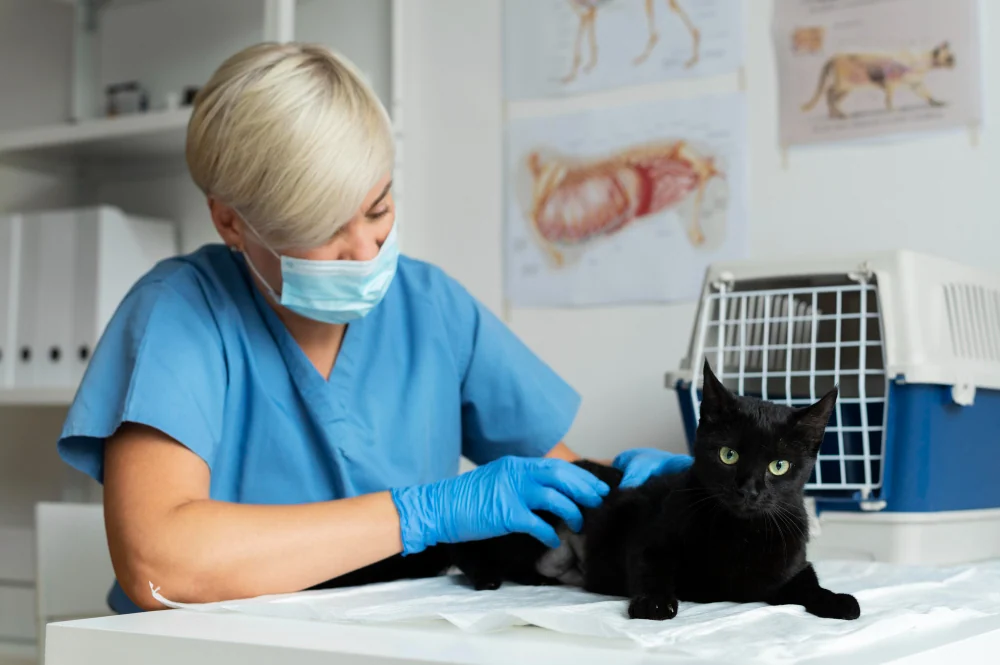
Many pet diseases begin without obvious symptoms, and owners may not notice the deterioration in their pet's condition. It is crucial to recognise signs that may point to serious problems requiring immediate veterinary attention. The sooner the correct diagnosis is made, the higher the chances for successful treatment and recovery.
Key Symptoms That Require a Visit to the Vet
1. Shortness of Breath or Difficulty Breathing
What to observe: Rapid, laboured breathing, wheezing, or using extra muscles to breathe.
Why it’s important: This could be a sign of lung disease, heart failure, or an allergic reaction. Delaying a visit may lead to complications or suffocation.
2. Loss of Consciousness or Seizures
What to observe: Sudden collapse, unresponsiveness, uncontrolled body movements, or "biting the tongue."
Why it’s important: These symptoms could indicate serious neurological disorders, poisoning, injury, or cardiovascular diseases. Immediate intervention is required to prevent long-term damage.
3. Vomiting and Diarrhoea with Blood
What to observe: Frequent vomiting or diarrhoea, especially if blood or black material (indicating digested blood) is visible.
Why it’s important: This could indicate poisoning, gastritis, ulcers, infections, or gastrointestinal diseases. Blood in stool or vomit requires immediate veterinary consultation.
4. High or Low Body Temperature
What to observe: A temperature above 39.5°C or below 37°C.
Why it’s important: A high temperature may indicate an infection, inflammation, or poisoning, while a low temperature may suggest shock or heart problems. Immediate diagnosis is essential for proper treatment.
5. Pain or Difficulty Moving
What to observe: A normally active pet suddenly showing signs of pain (screaming, tension, reluctance to move, aggression when touched in the painful area).
Why it’s important: This may be linked to injuries, internal organ damage, arthritis, or spinal issues. Delaying a visit may worsen the pet's condition.
6. Sudden Loss of Appetite or Refusal to Eat or Drink
What to observe: A sudden change in your pet’s behaviour, where they refuse food and water for more than 24 hours.
Why it’s important: This could be related to gastrointestinal, kidney, liver diseases, or even psychological problems due to stress. In any case, such a symptom requires immediate attention.
7. Pale or Bluish Mucous Membranes
What to observe: Gums, eyes, or the inside of the ears turning pale, yellowish, or blue.
Why it’s important: This could indicate poor blood circulation, heart or respiratory problems, or poisoning. This is an emergency situation requiring immediate veterinary care.
8. Bleeding and Wounds
What to observe: Bleeding that doesn’t stop within a few minutes, deep cuts or wounds that cannot be treated at home.
Why it’s important: Even a small wound can become infected, and stopping the bleeding is a matter of life and death. Urgent help is required.
9. Paralysis or Loss of Coordination
What to observe: Your pet cannot stand, loses balance, or has difficulty moving.
Why it’s important: This could be a sign of severe neurological conditions such as a stroke, spinal cord injury, or poisoning. Immediate medical help is necessary.
10. Behaviour Changes or Strange Reactions
What to observe: Sudden changes in behaviour, such as aggression, depression, or disorientation.
Why it’s important: This could indicate a nervous disorder, brain disease, poisoning, or problems with sensory organs. Such symptoms require an immediate examination by a specialist.
What to Do When You Notice Symptoms?
- Don’t delay the visit: If you notice any of the symptoms listed above, consult a vet as soon as possible. The sooner a diagnosis is made, the easier it will be to treat the disease.
- Keep track of the symptoms: Note the time of onset, frequency, and exactly when and how the symptoms appeared. This will help speed up the diagnosis.
- Don’t attempt self-treatment: Avoid giving your pet medications not prescribed by a vet. Incorrect treatments could worsen the condition.
How to Prevent Pet Illnesses?
- Regular veterinary check-ups
- Vaccinations and parasite treatments
- Proper diet, hygiene, and physical activity
- Providing a safe environment and minimising stress
Paying attention to your pet’s health and seeking timely veterinary consultation is the key to their long and happy life.
