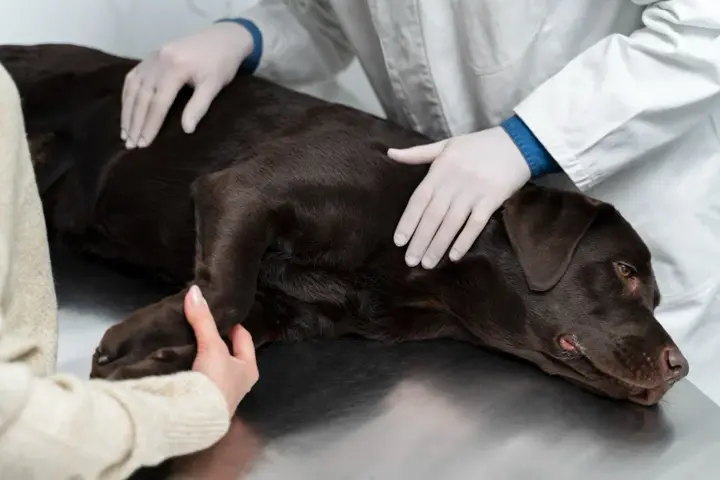
When to see a vet urgently
Changing food does not replace urgent examination if an animal has:
- difficulty breathing, fainting or sudden severe weakness;
- repeated vomiting and an inability to keep fluids down;
- unsuccessful attempts to urinate or a painful, rapidly deteriorating condition;
- loss of appetite accompanied by tiredness, vomiting or known diabetes.
Contact a practice immediately. You can find a vet near you.
Choosing a diet and setting treatment goals
A therapeutic diet is chosen according to nutrients and the patient's needs. The same disease name does not mean every animal has identical nutritional requirements. For example, the stage of kidney disease, diabetes treatment and concurrent weight loss affect the first priorities. If an animal has several diseases, mixing two therapeutic foods does not automatically combine their benefits.
As well as the main food, tell your vet about all treats, chews, supplements and foods used to give medication. Eating from other animals' bowls counts too. A diet cannot be assessed from the bag's name alone if a significant proportion of nutrition comes from elsewhere. A feeding diary helps describe the actual overall intake.
What matters in different diseases
Chronic kidney disease
Less phosphorus, moderate amounts of high-quality protein, omega-3 fatty acids EPA and DHA, and more fluid. Potassium is added only if a blood test shows a low level, which is more common in cats. Common mistakes include giving banana and potato for the kidneys without a blood test, or ordinary high-phosphorus food.
Reducing phosphorus is a key way to slow progression of feline kidney disease. However, protein is not removed from the diet: inadequate energy and protein intake can impair nutritional status. Eating and muscle condition are monitored alongside blood values. Ideally, transition to a renal diet is planned when the animal is not nauseous, so it does not associate the food with feeling ill.
Heart failure
Sodium restriction according to disease stage, adequate energy and protein to prevent muscle loss, and omega-3 fatty acids; cats also need taurine in their food. Common mistakes include reducing protein and offering salty treats, cheese, sausage or broths.
Sodium targets for early heart disease and established heart failure differ. Include food used to hide tablets in the assessment: small salty additions given repeatedly can change the overall intake. A heart patient losing weight needs enough to eat; complete loss of appetite is not resolved simply through stricter restriction. Do not add taurine or fish oil just in case without an overall assessment.
Chronic hepatitis
Adequate protein and energy, with less copper in copper-associated hepatitis. A common mistake is restricting protein without signs of hepatic encephalopathy.
Hepatic encephalopathy means neurological signs associated with liver dysfunction. Its nutritional management differs from that of a patient with raised liver values but no such disturbance. Copper restriction depends on the cause of liver disease; a diet for canine copper-associated disease should not automatically be transferred to a cat. Preserving muscle mass and adequate energy intake are also part of monitoring a liver patient.
Pancreatitis in dogs
Low-fat food in small, frequent portions. Common mistakes include fatty meat and table scraps.
Resting the pancreas through prolonged fasting is not the aim of nutritional treatment. Nausea and pain are treated so nutrition can be maintained, with assisted feeding at the veterinary practice if necessary. As well as fat content, digestibility and adequate energy intake matter. Concurrent intestinal disease or diabetes may change the choice. Low-fat advice for a dog does not mean the same product and composition suit a cat.
Food allergy
An elimination diet for at least 8 weeks uses food containing hydrolysed protein or a novel protein source, with nothing else. Common mistakes include using an unreliable blood test for food allergy instead of a diet trial, or giving treats during the trial.
Hydrolysis breaks protein into smaller parts to reduce the risk of an allergic reaction. A novel protein means a source that this particular animal has not eaten before, rather than simply a new product name. After symptoms improve, a controlled challenge with the previous food is usually needed to confirm the diagnosis. Flavoured medicines and supplements also need checking, but do not stop necessary medication yourself.
Diabetes
Cats need high-protein, low-carbohydrate food; dogs need the same food and feeding times every day, preferably with a high fibre content. Feeding is coordinated with insulin injections. A common mistake is changing food or feeding times without asking the vet.
Changing a cat's diet can affect blood glucose and medication requirements, so monitoring is agreed at the same time. If a diabetic animal eats poorly, contact the practice before making medication changes yourself. Adequate energy intake matters more than pursuing an ideal nutrient composition at the cost of not eating. An underweight cat and an overweight cat also need different energy plans.
Urinary stones
The diet depends on stone type: struvite stones can be dissolved with a therapeutic diet, but oxalate stones cannot. Increase fluid intake through wet food. A common mistake is choosing a urinary diet without stone analysis.
Stone analysis provides the most precise information about composition, but dissolution can sometimes be planned from a well-founded suspicion of stone type before a stone is available for testing. Urine samples and imaging help guide the choice and monitor response. Do not confuse dissolution food with food intended to prevent recurrence. An obstruction is not treated by waiting for a diet to work, and urine acidification is unsuitable for preventing every stone type.
Excess weight
Use a weight-loss diet, a calculated portion and gradual weight reduction: around 1–2% weekly in dogs and more slowly in cats. A common mistake is drastically reducing ordinary food portions, causing nutrient deficiencies and a risk of fatty liver in cats.
Scales alone do not show whether fat or muscle is being lost. The daily portion is calculated from energy, nutrient content and the animal's target, then adjusted according to actual weight changes. Weigh food rather than estimating portions by eye. If an animal on a weight-loss plan loses its appetite, reassess the plan; not eating is not successful weight management.
Why not use recipes from the internet?
Studies found that almost all home-prepared food recipes from books and websites lacked at least one essential nutrient, most often calcium, vitamin D, zinc and choline, and also taurine for cats. An error is more dangerous in a sick animal than a healthy one. Home-prepared feeding is possible, but a vet with nutritional expertise should formulate it.
Deficiencies in the recipes studied do not show that every home-prepared diet is inevitably deficient. They show that a varied ingredient list alone does not guarantee balance. A formulated recipe also includes necessary supplements and precise ingredients. Substituting one meat for another or omitting a supplement can change the resulting nutritional content.
Complete food is intended to meet an animal's nutritional needs, while complementary food requires other foods alongside it. Also check that a product suits the life stage. A food intended to manage an adult disease may not meet a growing puppy's or kitten's needs. Do not add calcium, vitamins or minerals to an already balanced diet for an assumed benefit.
Following the plan correctly
- Establish an accurate diagnosis and disease stage first.
- Use a therapeutic food prescribed by your vet, or a home-prepared diet formulated by a vet with nutritional expertise.
- Transition gradually over 7–10 days unless your vet advises otherwise.
- Do not mix the therapeutic food with other foods or dilute it with treats.
- Monitor weight and blood tests according to your vet's schedule.
Transition advice applies when an animal is able to eat. Forcing a new long-term diet on a severely nauseous cat or one needing hospital care can cause food aversion. Nutrition is not secured by forcing food into the mouth; a vet can arrange another method, including a feeding tube when necessary.
Agree specifically on the dietary goal and how change will be assessed. For a kidney patient this may mean monitoring phosphorus and general condition; for suspected allergy, recording itching and ear symptoms; and for diabetes, monitoring blood glucose too. Record the amount eaten, vomiting and stool changes so a limited effect is not misinterpreted when the animal is not actually eating the planned food.
In a multi-pet household, meals may need to take place in separate rooms so that the animal needing the food receives its portion and another cannot eat it. Keep the feeding area quiet and avoid mixing medication into a whole meal if this makes the animal reject its food. Temperature and texture can also affect palatability. Ask the practice for a suitable alternative rather than disguising the taste with freely chosen additions.
When to see a vet
- A cat has not eaten for more than a day.
- Repeated vomiting or bloody diarrhoea.
- A male cat frequently visits the litter tray but passes no urine.
- Breathlessness, fainting or sudden weakness.
Do not wait for a full day if loss of appetite accompanies deteriorating condition or another warning sign. In particular, reduced appetite in a diabetic animal can indicate concurrent illness or a treatment complication. Trying a new food at home is not first aid for inability to urinate or difficulty breathing.
Frequently asked questions
Can two therapeutic foods be mixed?
Only if the practice has assessed the combination. Mixing can change phosphorus, sodium or protein levels, for example, so that neither treatment goal is met. A diet for several diseases is planned jointly.
What should I do if my pet will not eat the prescribed food?
Contact your vet and explain how much it actually eats. Nausea or pain may be involved, and a different formulation or nutritional support may be necessary. Do not fast an animal to make it accept a new food.
Are small treats allowed during an elimination diet?
Only products specifically agreed for the trial. Even a little other protein can complicate interpretation. Check chews, supplements and flavoured medicines too, so the trial measures what it is intended to measure.
This article is for general information only and is not a guide to treatment. If you notice the first signs of illness, contact your vet.
Paw4care editorial team
Sources
- IRIS – International Renal Interest Society: Treatment Recommendations for CKD in Dogs and Cats, 2023.
- Keene B. W. ym. ACVIM consensus guidelines for the diagnosis and treatment of myxomatous mitral valve disease in dogs. J Vet Intern Med, 2019.
- Webster C. R. L. ym. ACVIM consensus statement on the diagnosis and treatment of chronic hepatitis in dogs. J Vet Intern Med, 2019.
- Lulich J. P. ym. ACVIM Small Animal Consensus Recommendations on the Treatment and Prevention of Uroliths in Dogs and Cats. J Vet Intern Med, 2016.
- Stockman J. ym. Evaluation of recipes of home-prepared maintenance diets for dogs. JAVMA, 2013.
- Wilson S. A. ym. Evaluation of the nutritional adequacy of recipes for home-prepared maintenance diets for cats. JAVMA, 2019.
- 2026 iCatCare Consensus Guidelines on the Diagnosis and Management of Chronic Kidney Disease in Cats, iCatCare / Journal of Feline Medicine and Surgery, accessed 2026-11-05.
- Heart Disease – Nutrition, Tufts University, accessed 2026-11-05.
- Nutrition in Hepatic Disease in Small Animals, Merck Veterinary Manual, accessed 2026-11-05.
- Pancreatitis in Dogs and Cats, Merck Veterinary Manual, accessed 2026-11-05.
- Cutaneous Food Allergy in Animals, Merck Veterinary Manual, accessed 2026-11-05.
- iCatCare 2025 consensus guidelines on the diagnosis and management of diabetes mellitus in cats, Journal of Feline Medicine and Surgery / International Cat Care, accessed 2026-11-05.
- ACVIM Small Animal Consensus Recommendations on the Treatment and Prevention of Uroliths in Dogs and Cats, Journal of Veterinary Internal Medicine / Utrecht University, accessed 2026-11-05.
- Frequently Asked Questions & Myths, WSAVA Global Nutrition Committee, accessed 2026-11-05.
- 2022 ISFM Consensus Guidelines on Management of the Inappetent Hospitalised Cat, Journal of Feline Medicine and Surgery, accessed 2026-11-05.
- Nutritional Requirements of Small Animals, Merck Veterinary Manual, accessed 2026-11-05.