
What Are Chronic Diseases in Pets?
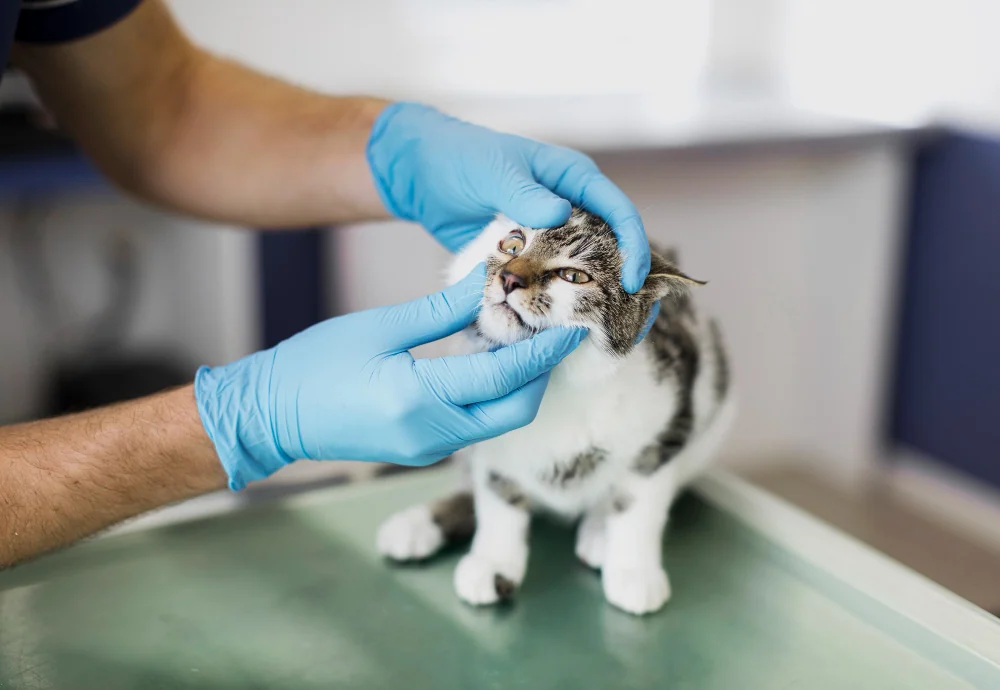
Chronic diseases in pets are conditions that persist over a long period and require ongoing management and treatment. Unlike acute diseases, chronic illnesses often develop gradually and can affect various organs and systems in the pet’s body. These diseases may include kidney, liver, and heart diseases, diabetes, allergies, and joint conditions.
1. The Role of Timely Diagnosis in Chronic Diseases
Diagnosing chronic diseases in pets can be challenging because their symptoms often develop slowly and may be subtle in the early stages. That’s why it’s important to schedule regular preventive check-ups with a veterinarian. Chronic diseases can affect both elderly and young pets.
Signs That May Indicate Chronic Diseases:
- Persistent fatigue or reduced activity levels
- Changes in appetite, thirst, or weight
- Frequent infections or inflammation
- Digestive or urinary issues
- Pain or lameness
- Changes in coat and skin condition
2. Adapting Treatment Plans for Chronic Diseases in Pets
Treating chronic diseases in dogs and cats requires careful adaptation of treatment plans based on the pet’s individual characteristics, the type of disease, and its stage. The goal of treatment should be to manage symptoms, slow disease progression, and improve the pet’s quality of life.
Key Aspects of Adapting Treatment Plans:
- Personalized Approach: The veterinarian must consider the pet’s age, breed, overall health status, and medication responses when selecting a treatment plan.
- Pharmacological Treatment: Chronic diseases often require long-term medication. Medications may include antibiotics, hormones, anti-inflammatory drugs, and treatments to support organ function (such as for kidney or heart support).
- Diet Therapy: Special therapeutic diets and foods play an important role in managing chronic conditions, helping to regulate metabolism, maintain an optimal weight, and improve the pet’s overall condition.
- Regular Monitoring: Ongoing monitoring of the pet’s health, including laboratory tests, ultrasounds, and other diagnostics, is essential to adjust the treatment plan as the pet’s condition changes.
3. Pharmacological Treatment for Chronic Diseases
Pharmacological treatment is the foundation for managing chronic diseases. The types of medications can vary based on the disease and the pet’s condition. Choosing the right medications and dosages is essential to achieve the best results while minimizing side effects.
Examples of Pharmacological Treatments:
- Chronic Kidney Disease: Medications that support kidney function, as well as diuretics to prevent edema, are commonly used. Diets with reduced phosphorus and protein help control the disease.
- Heart Failure: Medications like ACE inhibitors and beta-blockers may be prescribed to stabilize the pet’s condition.
- Diabetes: Treatment includes insulin therapy, dietary adjustments, and regular monitoring of blood glucose levels.
4. Diet Therapy for Chronic Diseases
Diet plays a crucial role in treating chronic conditions, particularly those involving organs such as the kidneys, liver, heart, or digestive system. Special diets help reduce the strain on affected organs and contribute to the pet’s overall health.
Dietary Guidelines for Chronic Diseases:
- Chronic Kidney Disease: Foods with reduced phosphorus and protein help ease the burden on the kidneys.
- Heart Failure: Diets low in sodium help regulate blood pressure and fluid balance.
- Diabetes: Diets with controlled levels of carbohydrates and proteins help maintain stable blood sugar levels.
5. Supportive Care for Chronic Diseases
In addition to medications and special diets, supportive therapies such as vitamins, minerals, and dietary supplements are essential for maintaining the pet’s health in cases of chronic illness.
Examples of Supportive Measures:
- Vitamins and Antioxidants: B vitamins and antioxidants (like vitamin E and selenium) support the pet’s immune system and help slow disease progression.
- Physical Therapy: Beneficial for joint and musculoskeletal conditions such as osteoarthritis. Techniques like massage, laser therapy, and other methods improve circulation and reduce inflammation.
6. Monitoring the Pet’s Condition During Treatment
It is essential for pet owners to monitor their pet’s condition throughout the treatment process, attending regular veterinary check-ups for assessments and tests. This helps detect any complications or changes in health and adjust treatment accordingly.
Components of Monitoring a Pet’s Condition:
- Regular Veterinary Check-ups: Pets may require routine blood and urine tests and other diagnostics to monitor the progress of the disease.
- Adjusting Medication Dosages: Based on the pet’s response to treatment, medication dosages may need to be adjusted.
- Evaluating Treatment Effectiveness: Assessing the pet’s condition helps determine whether the treatment is working and if any changes are needed.
7. Benefits of a Comprehensive Approach in Treating Chronic Diseases
A comprehensive approach to treating chronic diseases in pets not only helps stabilize their condition but also significantly improves their quality of life. Regular monitoring, dietary adjustments, pharmacological treatment, and supportive care work together to control disease progression and prevent potential complications.
Treating chronic diseases in dogs and cats requires attentiveness, patience, and a personalized approach. With the right combination of pharmacological treatment, diet therapy, and supportive care, pet owners can effectively manage their pet’s condition and improve their quality of life. It is important to remember that regular veterinary oversight, check-ups, and timely treatment adjustments are crucial for the successful management of chronic diseases in pets.
