
The Importance of Magnetotherapy and Laser Therapy in Veterinary Medicine
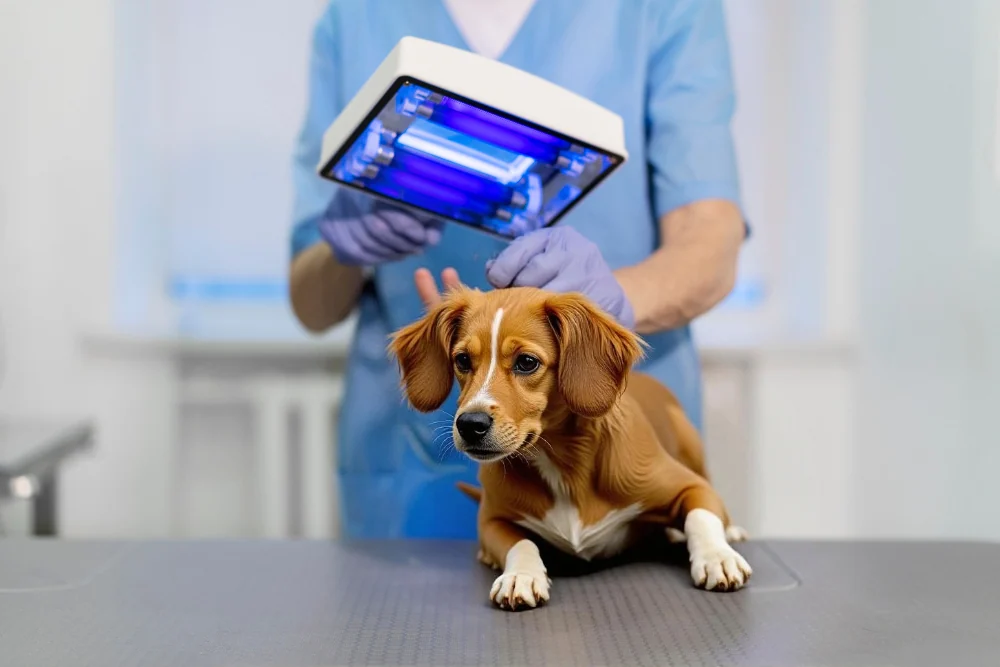
With the advancement of technology, veterinary medicine is continually exploring new ways to improve the treatment and rehabilitation of pets. Among the innovative methods are magnetotherapy and laser therapy. These approaches are actively used in the recovery process after injuries and surgeries, treatment of chronic diseases, and pain management. In this article, we will discuss what magnetotherapy and laser therapy are, their benefits, and how they assist pets at various stages of treatment.
1. Magnetotherapy: Using Magnetic Fields in Pet Treatment
Magnetotherapy is a treatment method that uses magnetic fields to affect an animal’s body. This approach accelerates tissue healing, improves blood circulation, and reduces inflammation.
1.1. Benefits of Magnetotherapy:
- Stimulates tissue regeneration.
- Reduces inflammation and pain.
- Improves microcirculation and blood flow.
- Speeds up healing processes after injuries and surgeries.
- Reduces muscle tension and spasms.
Magnetotherapy can be used for a wide range of conditions, such as injuries, inflammation, arthritis, osteoarthritis, and to speed up recovery after surgical interventions. Magnetic fields help improve cellular metabolism, contributing to rapid healing of damaged tissues.
1.2. How Magnetotherapy is Performed
Magnetotherapy involves using special devices that create magnetic fields to treat the animal. Magnetic applicators are typically applied to the affected areas of the body. The therapy can be performed both in veterinary clinics and at home, provided the pet owner has the appropriate equipment.
1.3. When is Magnetotherapy Used?
Magnetotherapy is indicated for musculoskeletal disorders, chronic inflammation, post-surgical recovery, and skin and soft tissue conditions. It is an effective method to accelerate recovery after injuries, surgeries, and joint diseases.
2. Laser Therapy: An Innovative Method for Pet Health Recovery
Laser therapy involves using a light beam with a specific wavelength to affect the animal's tissues. This method is actively used in veterinary practice for pain relief, inflammation reduction, speeding up healing, and improving microcirculation.
2.1. Benefits of Laser Therapy:
- Accelerates wound and tissue healing.
- Reduces inflammation and pain.
- Enhances the immune response.
- Relieves muscle spasms.
- Improves microcirculation and blood flow.
Laser therapy can be used for various conditions, such as arthritis, spinal diseases, soft tissue injuries, burns, and to speed up recovery after surgeries and injuries.
2.2. How Laser Therapy is Performed
Laser therapy is conducted using a special device that emits low-intensity light. The laser beam is directed at the problematic areas of the pet's body, affecting the cells, accelerating their regeneration, and reducing inflammation. The procedure is painless and does not require anesthesia.
2.3. When is Laser Therapy Used?
Laser therapy is effective for osteoarthritis, sprains, dislocations, soft tissue injuries, and rehabilitation after surgeries. This method is also used for treating skin diseases, inflammation, and for reducing pain in chronic conditions.
3. Combining Magnetotherapy and Laser Therapy: A Comprehensive Approach to Treatment and Rehabilitation
Magnetotherapy and laser therapy can be used individually or in combination. Combining these methods significantly accelerates the recovery process and achieves more stable results.
3.1. Benefits of the Combined Approach:
- Enhances the effect of each method.
- Addresses various aspects of a condition (inflammation, pain, tissue regeneration).
- Increases overall rehabilitation effectiveness.
Combining magnetotherapy and laser therapy is especially effective during post-surgical recovery, when treating injuries, and for chronic joint and spine diseases.
4. Indications and Contraindications for Magnetotherapy and Laser Therapy
4.1. Indications:
- Recovery after surgeries and injuries.
- Treatment of musculoskeletal diseases (arthritis, osteoarthritis, dysplasia).
- Chronic inflammation, pain syndromes.
- Soft tissue and skin regeneration.
- Improvement of microcirculation.
4.2. Contraindications:
- Oncology (cancer) conditions.
- Pregnancy in female pets.
- Blood diseases (e.g., thrombocytopenia).
- Treatment in animals with heart conditions without prior consultation with a cardiologist.
It is important that these procedures are only performed after consulting with a veterinarian who will determine the most suitable treatment for the specific pet.
Magnetotherapy and laser therapy are modern and effective methods for treating and rehabilitating pets. These approaches significantly accelerate recovery after injuries, surgeries, and chronic diseases. They help reduce pain, improve microcirculation, and speed up tissue regeneration. A combined use of magnetic and laser therapies offers pets a chance for quick and painless recovery while improving their quality of life at different stages of treatment.
It is essential to consult with a veterinarian before applying these methods to ensure the best treatment options for your pet.
