
After surgery, your pet requires special care to ensure a safe recovery and minimize the risk of complications. The recovery process can vary depending on the type of surgery, the animal’s health, and its age.
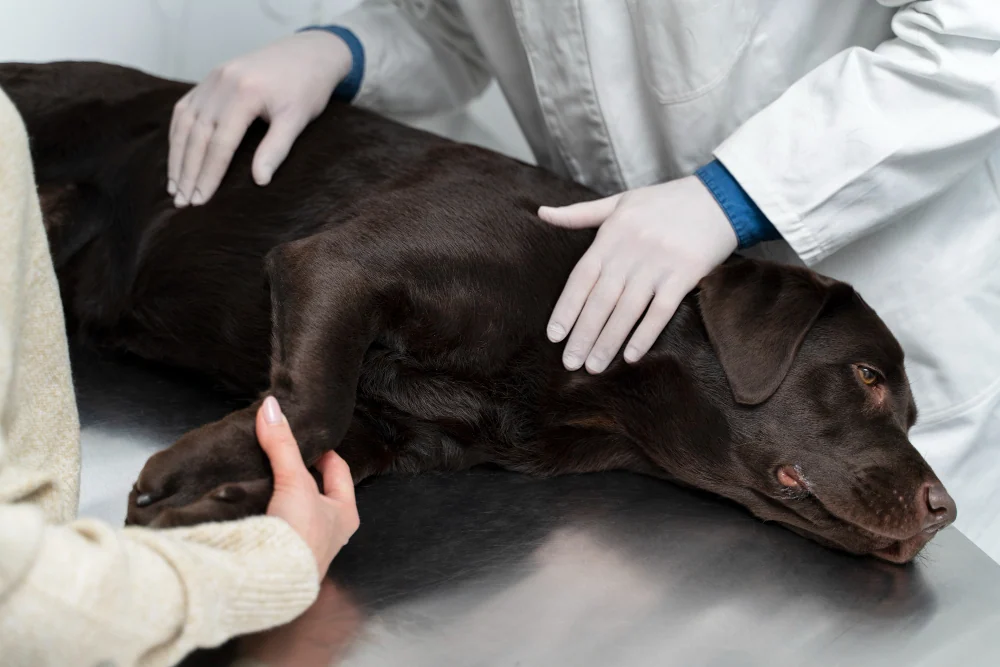
What is Post-Operative Care?
Post-operative care refers to a set of activities aimed at alleviating your pet's condition after surgery and ensuring a safe recovery. This includes monitoring the pet’s condition, managing pain, adhering to a prescribed diet, and following the veterinarian’s recommendations for further treatment.
Why is Proper Post-Operative Care Important?
Proper care after surgery is necessary for your pet to recover quickly and to prevent possible complications, such as infections, inflammation, or problems with wound healing. Failing to follow the recommendations can lead to various issues, including pain, secondary infections, or even the need for another surgery.
Key Stages of Post-Operative Care for Pets
1. Monitoring the Condition of Sutures
One of the most important aspects of post-operative care is monitoring the condition of the sutures and wound. Pets often scratch or lick the surgical site, which can lead to infections. To prevent this:
- Regularly inspect the surgery site for redness, swelling, or discharge.
- Treat the sutures with antiseptic solutions if prescribed by your vet.
- Use a protective cone (Elizabethan collar) to prevent your pet from licking or chewing at the wound.
When to See a Veterinarian:
- If the sutures begin to open or there is redness and swelling.
- If your pet is excessively licking or biting the stitches despite wearing the protective cone.
- If there is a foul odor or pus coming from the wound.
2. Pain Management and Monitoring Pain Levels
After surgery, your pet may experience pain, especially if the procedure was significant. It’s essential to follow your veterinarian’s advice on pain medications.
How to Manage Pain:
- Use medications prescribed by your veterinarian. Never give human pain medications to your pet as they can be toxic.
- Ensure a calm environment for your pet to minimize stress, which could exacerbate pain.
3. Ensuring Rest and Limiting Physical Activity
Your pet will need rest after surgery. Active play, jumping, and other physical activities may lead to the opening of stitches or complications in the healing process. To ensure your pet remains calm:
- Limit physical activity for several weeks after the surgery.
- Create a comfortable resting area where your pet can lie down peacefully without worrying about movement.
4. Monitoring Diet and Hydration
After surgery, your pet may require a special diet to aid in the recovery process. Your veterinarian may recommend soft food that is easily digestible and non-irritating to the digestive system.
Dietary Recommendations:
- Follow the diet prescribed by your veterinarian. For the first 1-2 days after surgery, liquid or semi-liquid food is recommended.
- Ensure your pet has access to plenty of fresh water.
- Avoid feeding your pet fatty or spicy foods.
5. Monitoring Health Condition
A gradual recovery process is essential for your pet. Regular monitoring will help detect potential complications early on.
What to Watch For:
- Body temperature: A rise in temperature could indicate an infection.
- Behavior: Lethargy, refusal to eat or drink may signal pain or other issues.
- Breathing rate: Increased breathing can indicate pain or difficulty breathing.
6. Frequent Visits to the Veterinarian
You may need to bring your pet for several follow-up visits to ensure proper recovery. Your veterinarian will inspect the sutures and, if necessary, prescribe additional treatments.
When to Visit the Veterinarian:
- In the first few days post-surgery to assess your pet’s overall condition.
- For suture removal if required by the surgery.
- If troubling symptoms arise, such as fever, swelling, or discharge from the wound.
How to Prevent Post-Surgical Complications
1. Secure the Recovery Area
Ensure the area where your pet will recover is safe and peaceful. It should be a quiet place without distractions, where your pet can rest undisturbed. Remove any sharp objects that might damage the sutures.
2. Proper Use of Protective Devices
Sometimes, pets need to wear a protective collar or other devices to prevent damage to the stitches. This is particularly important if your pet is overly anxious or attempts to lick the wound.
3. Regular Hygiene
To prevent infections, it’s vital to keep the surgical site clean. Clean the wound with antiseptic solutions, avoiding the introduction of dirt or bacteria.
Frequently Asked Questions (FAQ)
How long should I limit my pet’s physical activity after surgery? The duration of restricted physical activity depends on the type of surgery and your pet's condition. Typically, this lasts from 1 to 6 weeks.
Can I bathe my pet after surgery? You should not bathe your pet until the sutures have healed and the full recovery period has passed, which can take anywhere from 10 to 14 days. It’s best to consult with your veterinarian before bathing your pet.
How can I tell if my pet is in pain after surgery? Signs of pain in pets can include lethargy, refusal to eat, rapid breathing, vocalizations (whining or growling), and reluctance to move.
Final Recommendations
Proper post-operative care is crucial for your pet’s quick and safe recovery. By following your veterinarian’s guidelines and closely observing your pet’s condition, you can significantly speed up the recovery process and reduce the risk of complications. Remember, attentiveness, care, and adherence to all instructions will help your pet return to a normal life as quickly as possible.
