
The Importance of Manual Therapy for Pet Health
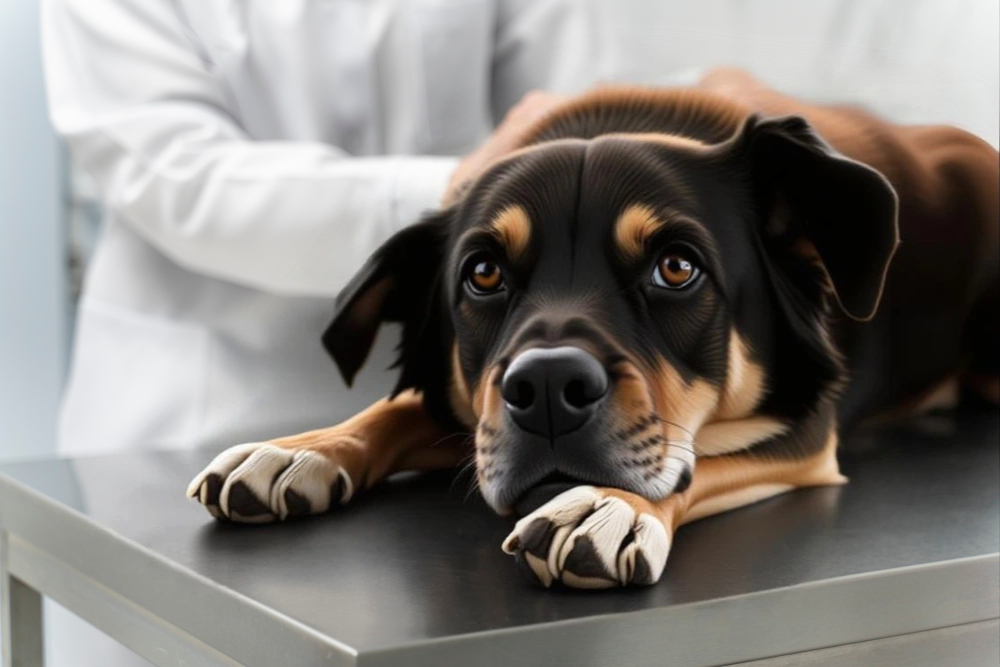
Manual therapy is a treatment method based on mechanical influence on the body's tissues, including muscles, joints, and the spine, aimed at restoring their normal function. This method is actively used in veterinary medicine to treat various musculoskeletal disorders in dogs, cats, and other pets. In this article, we will explore how manual therapy helps pets, the principles behind this method, as well as the indications and results you can expect from the treatment.
1. Principles of Manual Therapy in Animals
Manual therapy involves several key techniques that help restore the normal function of an animal's musculoskeletal system. The veterinarian performing manual therapy uses their hands to carry out specialized techniques aimed at relaxing muscles, improving joint mobility, restoring circulation, and normalizing nervous system function.
1.1. Key Principles of Manual Therapy:
- Mechanical Impact on Tissues: Manual therapy includes massage, muscle and joint stretching, as well as spinal and joint manipulations to improve mobility.
- Rehabilitation After Injuries and Surgeries: Manual therapy helps restore the normal function of joints, ligaments, and muscles after injuries or surgeries.
- Improvement of Circulation: Stimulating circulation accelerates tissue healing and reduces inflammation.
- Pain Relief: Many manual therapy techniques focus on reducing pain caused by muscle tension, inflammation, or injuries.
- Normalization of Nervous System Functioning: Manual techniques help improve nerve conductivity and restore normal nerve function.
2. Indications for Manual Therapy in Animals
Manual therapy is used to treat a wide range of conditions related to the musculoskeletal system, muscles, and nervous system. This method can be used as a standalone treatment or in combination with other methods, such as medication or physiotherapy.
2.1. Indications for Manual Therapy:
- Injuries and Fractures: After injuries, dislocations, or fractures, manual therapy helps restore mobility and reduce pain.
- Joint Diseases: In conditions like osteoarthritis, hip dysplasia, and joint inflammations, manual therapy helps restore joint mobility and reduce pain.
- Spinal Diseases: Manual therapy is used to treat spinal conditions such as intervertebral disc herniations, spinal dysfunctions, curvatures, and back muscle tension.
- Muscle Pain and Spasms: In conditions such as myositis, strains, and cramps, manual therapy helps relax muscles and improve their function.
- Rehabilitation After Surgeries: After surgeries like joint or spinal operations, manual therapy speeds up recovery, improves mobility, and reduces pain.
- Neurological Disorders: In cases of nerve damage, such as paralysis or dysfunctions, manual therapy helps restore nerve conductivity and improve movement coordination.
3. Key Methods of Manual Therapy
Manual therapy includes various techniques, which are chosen based on the pet's condition and the specific disease. Here are some of the main techniques:
3.1. Massage
Massage is one of the most commonly used manual therapy techniques that helps relax tense muscles, improve circulation, and reduce pain. Depending on the animal’s condition and the treatment goals, the massage can be either superficial or deep.
3.2. Osteopathy
Osteopathy involves manipulations of the spine and joints to restore their normal function. Osteopathic techniques aim to improve joint and spinal mobility, as well as restore normal circulation and nerve conductivity.
3.3. Chiropractic
Chiropractic techniques focus on manipulating the spine and joints to correct their mobility. This method is used to treat spinal and joint diseases such as hernias, dislocations, and scoliosis.
3.4. Stretching and Joint Mobilization
These techniques involve gentle stretching of muscles and joints to improve mobility and relieve tension. Stretching improves flexibility, while mobilization restores joints to their normal position.
3.5. Visceral Therapy
This manual therapy method involves influencing the internal organs, such as the intestines, liver, and kidneys. Visceral therapy helps improve the functioning of these organs, relieve spasms, and accelerate the recovery process.
4. Treatment Outcomes of Manual Therapy for Pets
Manual therapy can lead to significant improvements in a pet's condition, especially when treating musculoskeletal disorders. However, achieving good results requires consistency and an individualized approach, as every case is unique.
4.1. Expected Outcomes of Manual Therapy:
- Pain Relief: Many pets begin to feel better after the first sessions, as manual therapy helps reduce inflammation and relax muscles.
- Increased Joint Mobility: Manual techniques improve joint flexibility and mobility, which is crucial for pets suffering from joint or spinal diseases.
- Faster Recovery After Injuries: Manual therapy accelerates tissue healing and reduces the risk of complications following injuries or surgeries.
- Improved Quality of Life: By improving mobility, relieving pain, and restoring normal nervous system function, manual therapy significantly enhances a pet's quality of life, allowing them to become active and agile once again.
5. When to Consult a Veterinarian for Manual Therapy?
If your pet is experiencing mobility issues, joint pain, muscle spasms, or tension, or if they are recovering from injuries or surgeries, manual therapy can be an effective treatment option. It is recommended to consult with a veterinarian, who can properly assess your pet's condition and prescribe the appropriate course of manual therapy.
Manual therapy is an effective treatment method that helps pets restore mobility, reduce pain, and improve their quality of life. It is a safe and non-surgical alternative that can be used both for treating injuries and for rehabilitation after surgeries or for treating joint and spinal diseases. Consult your veterinarian to determine which manual therapy techniques are best suited for your pet.

