
What You Need to Know About Treating Senior Pets
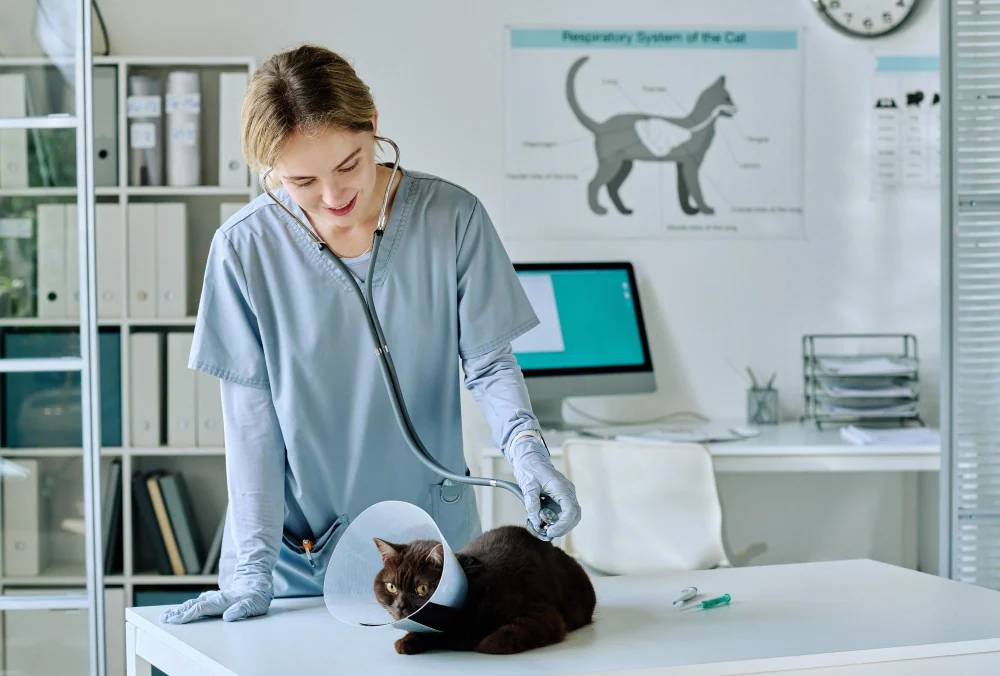
As animals age, changes occur in their organs and systems that can impact the effectiveness of medications. Senior pets require special attention when it comes to therapy, as their bodies may not respond to medications as quickly, and there are increased risks of side effects. It is crucial to adjust therapeutic plans considering these age-related changes to maintain your pet’s health, ensuring comfort and a long life.
1. How Age Affects Treatment
Age-related changes in a pet’s body can significantly alter their treatment needs and the medications they can safely take. For example, senior pets often experience decreased liver and kidney function, which can affect medication metabolism and increase the risk of accumulation in the body. Age may also weaken the immune system, requiring additional adjustments to the treatment plan.
Key Age-Related Changes Impacting Treatment:
- Decreased Kidney Function: Older pets may suffer from chronic kidney disease, necessitating adjusted medication doses, particularly for those medications excreted through the kidneys.
- Liver Issues: The liver of senior pets often struggles with metabolizing medications, which may require reducing doses and opting for safer drugs.
- Weakened Immune System: As pets age, they become more susceptible to infections, requiring additional support for their immune system.
- Degenerative Diseases: Conditions like arthritis, heart disease, and diabetes require a specific approach to medication selection.
2. Adjusting Doses and Treatment Plans
One of the most important aspects of medication treatment for senior pets is adjusting dosages. Older pets often need smaller doses of medications since their bodies cannot process standard doses as efficiently as younger animals.
Possible Adjustments:
- Reducing Medication Doses: For conditions like liver or kidney disease, as well as weakened immune systems, many medications need to be reduced to minimize stress on organs.
- Adjusting Medication Frequency: Some senior pets may require less frequent dosing, but it's crucial to ensure the treatment remains effective and consistent.
- Choosing Medications with Fewer Side Effects: It's essential to select drugs that place less strain on the body and minimize the risk of adverse reactions.
3. Medications for Age-Related Diseases
For treating age-related conditions such as arthritis, heart disease, or kidney problems, it's important to use medications that consider the aging pet’s body.
Examples of Medications for Age-Related Diseases:
- Kidney Function Support: Medications that help maintain kidney function, such as phosphorus binders and drugs that improve circulation, like amlodipine.
- Joint Support: Chondroprotectors, such as glucosamine and chondroitin, help improve joint mobility and reduce pain.
- Heart Disease: Medications like ACE inhibitors (e.g., enalapril) and diuretics (e.g., furosemide) are used to treat heart failure.
- Diabetes: For diabetic pets, it’s vital to select the correct insulin doses and monitor blood sugar levels carefully.
4. Supportive Therapy: Helping with Chronic Conditions
Supportive therapy for senior pets is aimed at slowing the progression of chronic diseases and maintaining their overall health. It includes additional supplements such as vitamins, minerals, and antioxidants that help strengthen the body.
Important Elements of Supportive Therapy:
- Vitamins and Minerals: B vitamins, vitamin E, and antioxidants like coenzyme Q10 help maintain cell health and prevent tissue aging.
- Diet Therapy: Specialized foods for aging pets that support organ health and provide essential nutrients.
- Prebiotics and Probiotics: Used to improve digestion and normalize gut flora, especially after prolonged use of antibiotics.
5. Tips for Treating Senior Pets
Treating senior pets requires attention and patience. Regular visits to the veterinarian, health monitoring, and careful adherence to the vet's recommendations can help your pet live a long and healthy life.
Practical Recommendations:
- Regular Health Checkups: Older pets need more frequent checkups to detect any decline in health early on.
- Monitoring Kidney and Liver Function: Senior pets should have blood and urine tests regularly to monitor kidney and liver function.
- Adjusting Medication Doses: It’s essential to observe how the pet responds to treatment and adjust doses as necessary.
- Ensuring Comfortable Conditions: Proper medication, a balanced diet, and a comfortable resting environment will help the pet manage aging more easily.
Medication treatment for senior pets requires special care and attention. The veterinarian should take all age-related changes into account and adjust treatment plans to minimize side effects while ensuring the most effective therapy. Supporting your pet’s health through the right choice of medications, diet, and regular checkups will allow them to feel better and continue to bring joy to their owners in their later years.
