
A fracture is a serious injury that requires careful attention to treatment and recovery. Rehabilitation after fractures not only restores your pet's physical activity but also helps regain their confidence and prevents possible complications. In this article, we will cover key aspects of pet rehabilitation after fractures, as well as methods for comprehensive recovery of bones and joints.
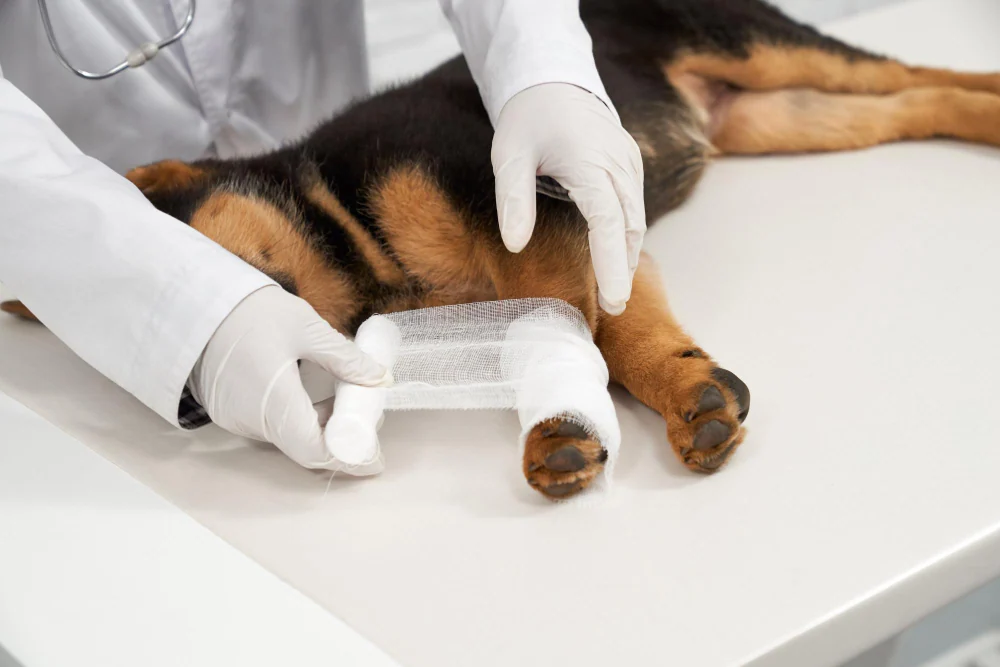
1. First Aid for Fractures: What to Do Before Visiting the Veterinarian
Before starting the rehabilitation process, it is important to provide proper first aid if you suspect a fracture. Correct actions can help prevent the worsening of the condition.
- Do not attempt to reset the bone: It is crucial not to try and fix the fracture yourself, as this could damage soft tissues, nerves, or blood vessels.
- Limit the pet's movement: Place the pet in a calm position and restrict its movements. This will help avoid further damage to the injured bone or joint.
- Contact the veterinarian: Fractures require immediate veterinary examination to diagnose the extent of the injury and prescribe the appropriate treatment.
Once the veterinarian diagnoses the fracture and prescribes treatment, the recovery and rehabilitation stage begins.
2. Treatment and Surgical Intervention
Depending on the severity of the fracture, the veterinarian may recommend different treatment options:
- Conservative treatment: For minor fractures and when there is no displacement, using a cast or splint may be sufficient. However, even in these cases, close monitoring of the pet’s condition is essential.
- Surgical intervention: For more complex fractures, such as open fractures or fractures with significant displacement, surgery may be necessary. In such cases, the bones may be fixed using plates, screws, or other methods.
After the primary treatment phase is complete, the recovery of the damaged limb begins.
3. Stages of Rehabilitation: How to Restore Your Pet After a Fracture
Rehabilitation after a fracture should be gradual and done under veterinary supervision. It is important to remember that accelerating the recovery process may lead to setbacks or complications.
Early Rehabilitation Stage: The First Few Weeks After the Fracture
- Movement restriction: The key goal during the first weeks after the fracture is to ensure the injured area remains at rest. The pet should be restricted from movement using a crate or other restraints to prevent unnecessary activity.
- Pain relief and care: The veterinarian may prescribe painkillers to reduce pain and inflammation. It is crucial to follow the recommended dosage and timing for medication.
- Cold and heat therapy: Applying cold compresses in the first few days after the fracture helps reduce swelling and inflammation. After a few days, warm compresses can be used to improve blood circulation and accelerate tissue recovery.
Mid-Rehabilitation Stage: 2-4 Weeks After the Fracture
- Massage and light exercises: Gentle massage of the injured area and light passive exercises can help improve blood circulation and accelerate recovery. It is important that all movements be smooth and painless for the pet.
- Rehabilitation devices: In some cases, the veterinarian may recommend the use of special rehabilitation equipment, such as orthotics, bandages, or even physiotherapy machines to enhance recovery.
- Physiotherapy: The veterinarian may suggest a course of physiotherapy, including ultrasound, magnetotherapy, or electrical stimulation to speed up tissue healing.
Late Rehabilitation Stage: 4-8 Weeks and Beyond
- Increasing activity: During the later stages of rehabilitation, it is important to gradually increase the pet’s physical activity. Walking, light play, and stretching exercises will help strengthen the muscles and restore joint mobility.
- Active and passive exercises: Simple active exercises such as walking up stairs and short-distance running can help strengthen muscles around the injured area.
- Weight control: Reducing stress on the injured limb is vital for recovery, so maintaining the pet's optimal weight will help minimize strain on the joints and bones.
4. Key Aspects of the Rehabilitation Process
- Nutrition: A balanced diet plays a key role in the recovery process. A complete diet is enough: extra calcium and vitamin D are not needed without a vet’s advice and can do harm, especially in large-breed puppies; bone healing is checked with follow-up X-rays. Good nutrition supports bone recovery.
- Monitoring the condition: Throughout the rehabilitation process, it is important to regularly visit the veterinarian for check-ups. The vet may recommend additional tests to ensure that the recovery process is progressing correctly.
- Psychological state: Rehabilitation can be physically challenging for pets and also psychologically taxing. Gradually increasing your pet’s activity, rewarding their achievements, and creating positive associations with recovery will help them maintain motivation.
5. Complications and Problems That May Arise During Rehabilitation
Despite careful care, various complications may arise during rehabilitation:
- Non-union of the bone: In cases of complex fractures, bone union may be difficult. In such cases, additional treatment or surgery may be required.
- Muscle atrophy: Lack of activity and movement restriction can lead to muscle atrophy, which complicates the recovery of limb function.
- Infections: Open fractures can lead to infections if wound care is not properly managed. It is crucial to keep the injured area clean and follow all veterinary instructions.
Rehabilitation after fractures is a complex and multi-faceted process that requires patience, attention, and the involvement of the owner. A balanced approach, including movement restriction in the early stages, the use of rehabilitation methods, physiotherapy, and proper nutrition, will help the pet return to normal life. It is important to remember that each animal is unique, and the recovery process should be tailored to the pet's individual needs and condition.
