
The Importance of Proper Rehabilitation for Your Pet's Health
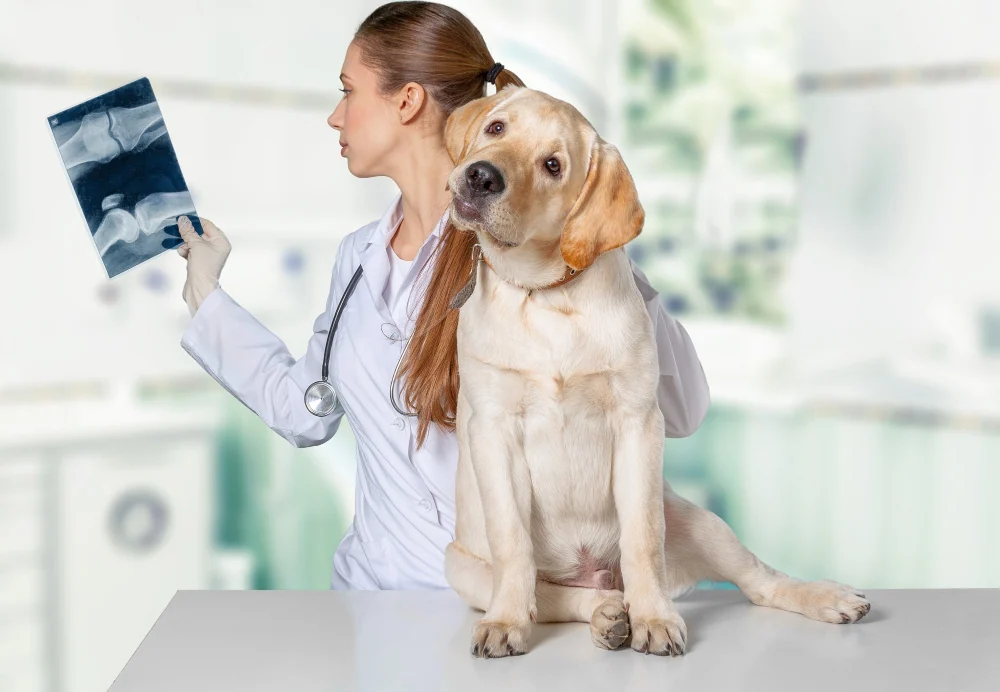
Rehabilitation after injuries, surgeries, or chronic illnesses plays a crucial role in a pet’s recovery process. A well-tailored rehabilitation approach can significantly speed up recovery, prevent complications, and help an animal return to normal life. However, to achieve the best results, it’s important to select the right rehabilitation program based on the pet’s health condition, age, breed, and the nature of the injury or illness.
1. Why Is Choosing the Right Rehabilitation Program Important?
Each animal is unique, and their recovery needs can differ. Incorrect rehabilitation can delay healing, lead to complications, or cause re-injury. For successful recovery, it is necessary to:
- Use an individualized approach, considering the pet’s unique physical needs.
- Integrate different treatment methods such as physiotherapy, medication, proper nutrition, and care.
- Ensure veterinary supervision at every stage of recovery, adjusting the plan when necessary.
2. How to Choose a Rehabilitation Program?
Choosing a rehabilitation program depends on several factors, and the veterinarian should evaluate these parameters to create an optimal recovery plan.
2.1. Assessing the Pet's Condition
Before selecting a rehabilitation program, it’s important to thoroughly assess the pet's condition, medical history, and current health status:
- Type of injury or surgery: Joint, bone, soft tissue, or nerve injuries require different rehabilitation approaches.
- Age of the pet: Young animals may recover faster, while older pets may require a more delicate approach.
- Chronic conditions: Pets with chronic illnesses such as arthritis or heart disease may need special care in their rehabilitation plan.
- General health indicators: The pet’s immune system, presence of infections, or other illnesses influence the choice of rehabilitation methods.
2.2. Individual Characteristics of the Pet
Each pet has unique needs. To ensure the rehabilitation program is effective, the following should be considered:
- Breed: Some breeds are more prone to specific injuries or conditions and may need additional attention during rehabilitation.
- Temperament and behavior: Active pets may need more physical activity, while calm animals may require gentler recovery methods.
- Psychological state: Rehabilitation involves not only physical recovery but also psychological adaptation. Pets that have experienced stress or trauma may feel anxious or fearful.
2.3. Types of Rehabilitation
A rehabilitation program may include various methods depending on the pet’s condition:
- Physiotherapy: Includes techniques like massage, laser therapy, hydrotherapy, ultrasound therapy, and other methods aimed at restoring functionality and reducing pain.
- Medication: Includes pain relievers, anti-inflammatory drugs, and tissue recovery enhancers (e.g., chondroprotectors).
- Psychological rehabilitation: Pets may experience stress or depression following surgery or injury, and behavior modification or training may be necessary.
- Diet and supplements: Nutrition plays an important role in recovery. Balancing the pet's diet with necessary vitamins, minerals, and supplements helps maintain joint, bone, and immune health.
2.4. Recovery Time
The time required for a pet’s full recovery depends on several factors, including the type of injury, the animal's age, and any pre-existing conditions. It is important not to rush the recovery process and to allow enough time for healing, avoiding premature physical exertion.
3. What to Consider When Designing a Rehabilitation Program?
3.1. Gradual Increase in Activity
A rehabilitation program should gradually increase physical activity. This helps prevent overloading injured areas and ensures a steady restoration of muscle and joint function.
- Early stage: Limited activity, minimal movement.
- Intermediate stage: Light exercises, such as walking, light stretching, swimming.
- Advanced stage: Intense training, resumption of normal activities.
3.2. Physiotherapy and Massage
Physiotherapy is an essential component of rehabilitation after injuries and surgeries. These treatments accelerate recovery, reduce inflammation, improve blood circulation, and restore movement. A veterinarian may recommend:
- Massage: Improves blood flow and relaxes muscles.
- Laser therapy: Reduces inflammation and promotes faster healing.
- Ultrasound therapy: Stimulates cell and tissue regeneration.
- Hydrotherapy: Swimming or water exercises reduce joint stress and keep muscles toned.
3.3. Psychological Recovery
Pets may experience stress, fear, or depression after surgery or injury. It is essential to address their emotional well-being:
- Care and attention: Spend more time with your pet, paying attention to their emotional state.
- Rehabilitation through play: Light games and training can help a pet return to its normal state.
- Walks: Gradual walks in familiar surroundings help the pet adjust and regain confidence.
4. The Role of the Veterinarian in Rehabilitation
A veterinarian should be actively involved in the rehabilitation process, monitoring the pet's condition, adjusting the recovery program, and prescribing necessary procedures and medications. It’s essential for rehabilitation to be carried out under professional supervision to avoid mistakes and complications.
5. Signs That the Rehabilitation Program Isn’t Working
Sometimes, problems may arise during recovery that require adjustments to the rehabilitation program. Watch for the following signs:
- Persistent swelling or inflammation at the injury or surgery site.
- Lameness or pain during movement that worsens rather than improves.
- Psychological issues: the pet becomes apathetic, avoids movement, or shows aggression.
- Loss of appetite or weight loss, possibly indicating nutritional deficiencies or stress.
If you notice these symptoms, consult the veterinarian for further evaluation and adjustments to the program.
Selecting the right rehabilitation program for your pet is an important and responsible process that requires careful consideration of many factors. A well-designed program can help your pet recover more quickly from an injury or surgery, return to normal activity, and avoid future complications. Support from a veterinarian, an individualized approach, and consistency are the key elements for successful rehabilitation.
