
In this article, we will discuss the basics of feeding puppies and kittens, share secrets to a healthy start, and offer practical recommendations for feeding.
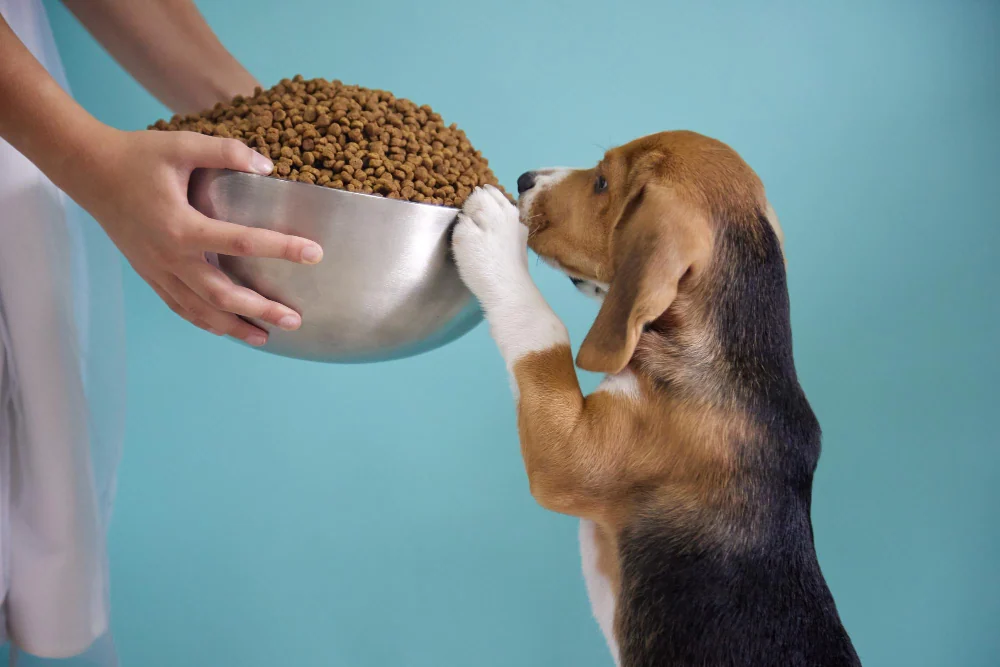
Proper nutrition in early life is key to your pet’s health and longevity. Puppies and kittens are growing and developing rapidly, so their diet must be balanced, nutritious, and safe.
Why is Nutrition Important for Puppies and Kittens?
- Active growth and development: During the first few months of life, bones, muscles, the immune system, and internal organs are developing.
- High energy requirements: Babies expend a lot of energy on play, learning, and growth.
- Vulnerability to diseases: Improper nutrition can lead to digestive issues, allergies, and developmental delays.
Key Principles of Puppy and Kitten Nutrition
1. Balanced Diet
The diet should include:
- Proteins: for muscle and tissue growth (meat, fish, eggs).
- Fats: for energy and skin health (fish oil, vegetable oils).
- Carbohydrates: for activity (rice, oats, vegetables).
- Vitamins and minerals: for bone strength and immunity (calcium, phosphorus, vitamins A, D, E).
2. Feeding Frequency
- Puppies:
- Up to 2 months: 5–6 times per day.
- 2–4 months: 4 times per day.
- 4–6 months: 3 times per day.
- After 6 months: 2 times per day.
- Kittens:
- Up to 2 months: 6–8 times per day.
- 2–4 months: 4–5 times per day.
- 4–6 months: 3–4 times per day.
- After 6 months: 2–3 times per day.
3. Access to Water
Puppies and kittens should always have access to clean, fresh water, especially if they are being fed dry food.
What to Feed Puppies and Kittens?
1. Ready-Made Food
Specially formulated food for puppies and kittens:
- Balanced in composition.
- Contains all necessary vitamins and minerals.
- Convenient to use.
Recommendations:
- Choose premium or super-premium brands.
- Follow the feeding guidelines on the packaging.
- Ensure the food is appropriate for age and breed.
2. Homemade Diet
If you prefer cooking for your pet, here are some tips:
- Proteins: meat (chicken, turkey, beef), fish (bone-free), eggs.
- Carbohydrates: rice, buckwheat, oats, potatoes.
- Vegetables: carrots, pumpkin, zucchini (boiled).
- Fats: vegetable oil, fish oil.
Example diet for a puppy:
- 50% meat or fish.
- 30% carbohydrates (porridge).
- 20% vegetables.
Example diet for a kitten:
- 70% meat or fish.
- 20% carbohydrates (porridge).
- 10% vegetables.
3. Additional Supplements
- Calcium and phosphorus: to strengthen bones (as recommended by a vet).
- Vitamins: to support immunity.
- Probiotics: for improved digestion.
What to Avoid in the Diet of Puppies and Kittens?
Harmful foods:
- Chocolate, onion, garlic, grapes, raisins (toxic to pets).
- Bones (can damage the esophagus or intestines).
- Fatty, salty, or smoked foods.
- Sudden diet changes. Transition to a new food should be gradual (over 7–10 days).
- Overfeeding. Excess weight can lead to joint and heart issues.
How to Transition Your Pet to New Food?
- Mix the old and new food in a 75% old and 25% new ratio.
- Gradually increase the portion of the new food.
- Monitor your pet’s reaction (appetite, stool, general condition).
Signs of Proper Nutrition
- Active and playful behavior.
- Healthy appetite.
- Shiny coat.
- Normal stool.
- Steady growth and development.
When to See a Veterinarian?
If your pet shows the following signs:
- Loss of appetite or refusal to eat.
- Vomiting, diarrhea, or constipation.
- Lethargy or apathy.
- Allergic reactions (itching, rashes).
Proper nutrition for puppies and kittens is the foundation of their health and happy life. A balanced diet, regular feeding, and attention to your baby’s needs will help them grow strong, active, and healthy. Remember, caring for your pet’s nutrition in early life is an investment in their future.
