
Switching to a natural diet is a significant step for your pet, requiring a careful approach and proper adaptation. Natural food can offer greater nutritional benefits, but transitioning must be done thoughtfully to avoid digestive issues. Here’s how to successfully transition your pet to a natural diet in a safe and effective way.
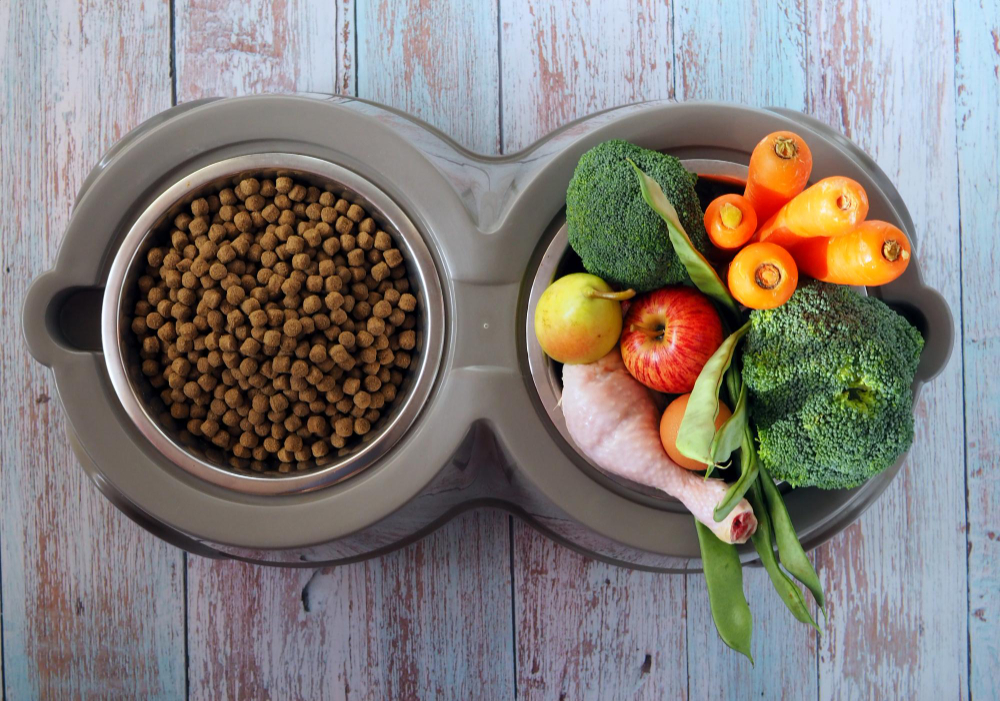
1. Gradual Transition: The Key to Success
Why Slow Changes Matter
Switching to a new diet, especially a natural one, should be done gradually to prevent digestive upset.
- Introduce Natural Food Slowly: Start by adding small portions of natural food to your pet’s current diet. Gradually increase the amount while reducing the old food.
- Transition Duration: The process should take at least 7–10 days. For pets with sensitive digestion, it may take up to 2–3 weeks.
2. Variety in Natural Foods
Why a Diverse Diet is Important
A balanced natural diet consists of a variety of proteins, vegetables, and grains to meet all nutritional needs.
- Protein Sources: Use lean meats such as chicken, beef, turkey, or rabbit, and fish like salmon or cod.
- Vegetables & Grains: Include carrots, broccoli, pumpkin, rice, buckwheat, and oats for fibre and carbohydrates.
- Monitor Reactions: Observe your pet’s response to different foods to identify any allergies or intolerances.
3. Balancing Proteins, Fats, and Carbohydrates
Ensuring Proper Nutrient Ratios
A well-balanced diet is crucial for maintaining your pet’s health and energy levels.
- Proteins: The most important component of the diet, especially for growing and active pets.
- Fats: Provide energy but should be consumed in moderation. Adding olive or flaxseed oil can support healthy skin and coat.
- Carbohydrates: Needed for sustained energy but should be limited to avoid excess weight gain.
4. Supporting Digestive Health
Easing the Transition for Sensitive Stomachs
Natural food may be harder to digest, especially for pets with sensitive stomachs.
- Probiotics & Enzymes: Adding probiotics or digestive enzymes can improve digestion and prevent stomach issues.
- Hydration: Ensure your pet drinks enough water, especially if consuming dry ingredients like rice or cooked meat.
5. Adding Essential Vitamins & Minerals
Why Supplements May Be Necessary
Natural diets may lack some vital nutrients, requiring careful supplementation.
- Mineral Supplements: Consider calcium and phosphorus supplements, especially for meat-based diets.
- Vitamins: Vitamin E, Vitamin D, and B-complex vitamins are essential for overall health, particularly during dietary transitions.
6. Considering Your Pet’s Health Conditions
Special Dietary Considerations
If your pet has existing health conditions, their diet should be tailored accordingly.
- Consult a Veterinarian: Seek veterinary advice before switching to a natural diet, especially if your pet has allergies, digestive issues, or chronic conditions.
- Individualized Meal Plans: Pets with special needs may require a customized diet to meet their specific requirements.
7. Signs of a Successful Transition
Monitoring Your Pet’s Response to the New Diet
- Weight Management: Track your pet’s weight to ensure a healthy balance.
- Coat & Skin Health: A shinier coat and healthier skin are signs of a well-balanced diet.
- Regular Veterinary Check-Ups: Routine check-ups help monitor your pet’s health and nutritional status during the transition.
Conclusion
Transitioning to a natural diet is a responsible process that requires patience and careful monitoring. A gradual adaptation, a diverse selection of foods, and balanced nutrient intake will help your pet comfortably adjust to their new diet while enhancing overall health and well-being.

