
Caring for a cat in a country house or cottage has its own unique features, as nature and open spaces offer more freedom for the pet but also bring many new dangers. Therefore, it is important to organize the space for your cat properly to ensure its safety, comfort, and protection from external threats. In this article, we will explain how to prepare a safe outdoor space for your cat and create conditions for its active and healthy relaxation.
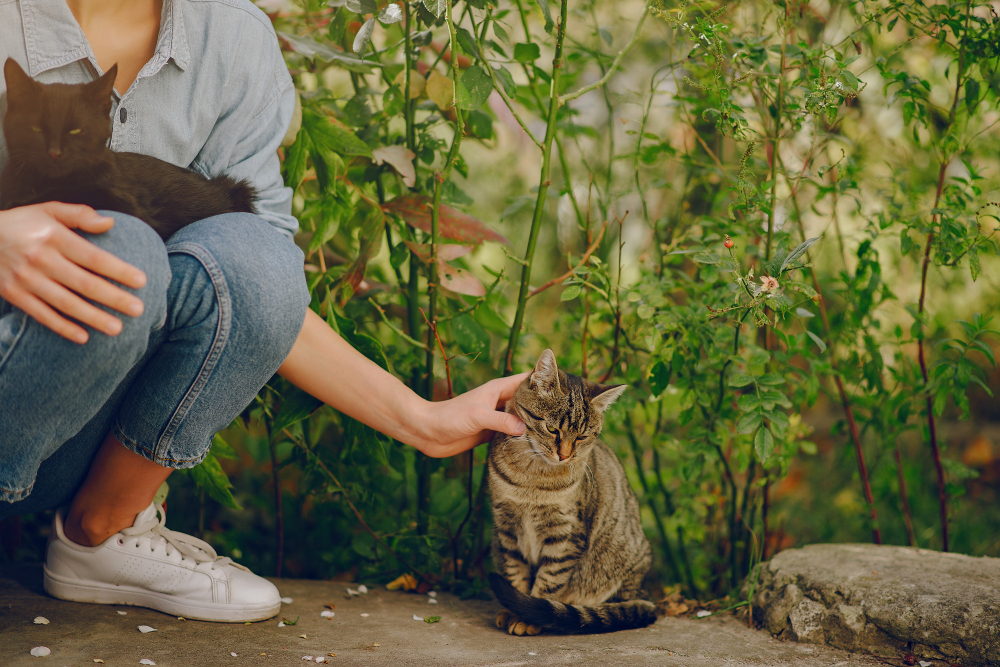
1. Creating a Safe Zone for Your Cat Outdoors
When a cat lives in the countryside, it gets access to many new smells, sounds, and spaces, making it a true adventure for them. However, safety must be ensured, and the space needs to be controlled.
Creating a Safe Enclosure or Fence
If you want your cat to enjoy the outdoors but don’t want it to run away or face danger, setting up an enclosure or fence is a good solution. The enclosure or fence can be temporary or permanent. It should be high enough to prevent the cat from jumping over, and completely enclosed at the bottom to prevent it from escaping.
Using Cat Fencing and Netting
For those with larger plots, you can install netting or fencing along the perimeter to restrict the cat's freedom to a safe area. This allows your pet to explore the outdoors without the risk of running into the forest or onto the road.
Creating a Safe Zone in the Garden
If you have a garden or vegetable patch, you can designate a section for your cat to roam. This could be a small corner with fencing where plants are safe for the cat, and it will be protected from other animals and traffic.
2. Creating a Shelter and Cozy Spot for Your Cat
In nature, it’s important for your cat to have its own cozy resting place and shelter. It’s best to use special cat beds and shelters that will protect your pet from rain, cold, and direct sunlight.
Outdoor Shelters
You can buy or make a small house or shelter for your cat where it can hide in case of hot weather or rain. It’s also important to provide a shaded area under trees or bushes for your cat to rest.
Indoor Resting Place Preparation
In addition, your cat needs a place to sleep inside the house. Suitable options include beds, baskets, or soft cushions that can be placed in various parts of the home. Ideally, the resting place should be quiet and not subject to unnecessary noise or interference.
3. Getting Used to Outdoor Walks and External Threats
One of the main concerns for cat owners living in the countryside is controlling their pet’s behavior during walks.
Using a Leash and Harness
If you want your cat to spend time outside but don’t want it to wander too far, you can use a leash and harness. This is a great option for walks in the garden or around the property, keeping the cat safe while allowing you to control its movements.
Being Aware of External Threats
Outdoors, cats may encounter various dangers, from wild animals to accidental injuries or poisoning from plants. To prevent this, it’s important to carefully inspect the area for dangerous objects and plants. Using a harness will help restrict access to areas with potential risks.
4. Ensuring Your Cat’s Health in Nature
Life in the countryside provides your cat with more freedom and opportunities for physical activity, but it’s important to monitor its health. In addition to regular vet visits, attention should be paid to disease prevention and vaccinations.
Protection from Parasites
In the countryside, cats are at higher risk of parasites such as fleas, ticks, or worms. Regular treatments for external and internal parasites are essential for cats spending time outdoors.
Vaccinations and Disease Prevention
Don’t forget about vaccinations and preventive check-ups. Given the potential contact with other animals, it’s important to monitor your pet’s health to avoid diseases common in rural areas.
5. Play and Physical Activity for Cats in Nature
Nature offers great opportunities for active play and physical exercise for your cat. Toys such as balls, feathers, and laser pointers can be excellent additions to its active rest. However, it’s important to always supervise the cat to ensure it doesn’t get into dangerous situations.
Caring for a cat in the countryside requires special attention to the safety and comfort of your pet. Properly organizing the space, creating a safe zone for outdoor walks, caring for the cat’s health, and protecting it from external threats are essential aspects that will allow your cat to enjoy freedom in nature without compromising its life or health.

