
Musculoskeletal disorders (MSDs) are a common problem among pets, especially older ones. These conditions can significantly affect a pet’s quality of life by limiting mobility, causing pain, and creating discomfort. For pet owners, knowing how to properly care for an animal with such disorders is crucial to alleviating their condition and maintaining their activity at the highest possible level.
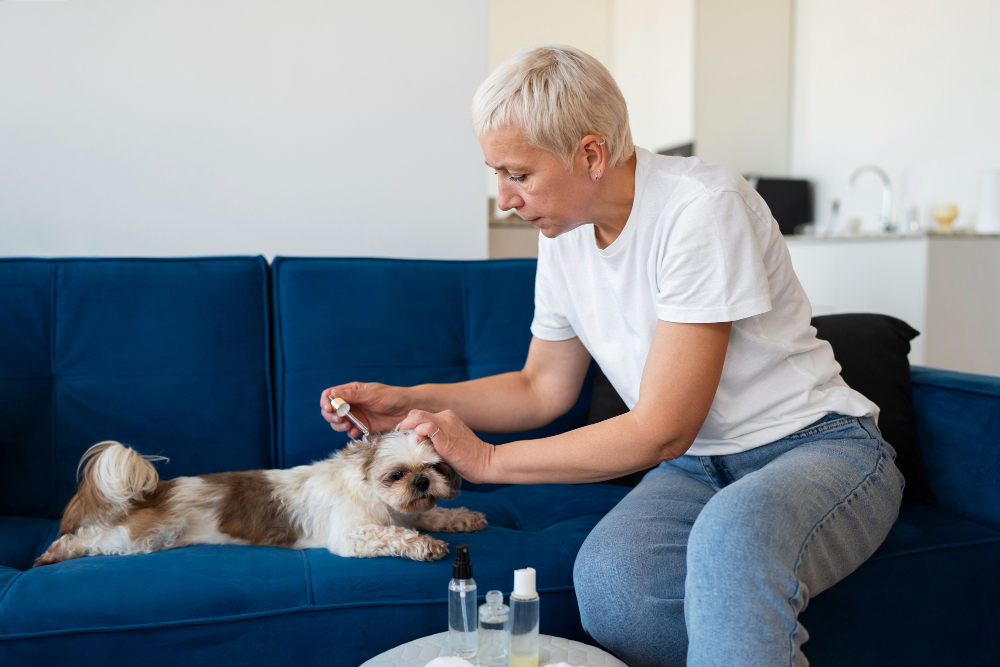
1. Common Musculoskeletal Disorders in Pets
Musculoskeletal issues can manifest in various forms, including:
- Osteoarthritis: Chronic joint inflammation, most commonly found in older pets, causing pain and limited mobility.
- Hip Dysplasia: A genetic condition where joints do not develop properly, leading to pain and difficulty moving.
- Injuries and Dislocations: Active and playful pets are prone to injuries that may affect their ability to move.
- Muscle Atrophy: A decline in muscle mass and strength, often due to aging or prolonged lack of physical activity.
2. Pain Relief and Mobility Support
One of the most critical aspects of caring for pets with musculoskeletal disorders is pain management and maintaining mobility.
What to do:
- Pain relief and anti-inflammatory medications: A vet may prescribe special medications such as nonsteroidal anti-inflammatory drugs (NSAIDs) or chondroprotectors.
- Physiotherapy and massage: Therapeutic exercises and massage can help strengthen muscles, improve blood circulation, and relieve pain.
- Heat and cold therapy: Heat helps relax muscles and reduce tension, while cold can decrease inflammation in affected areas.
- Joint support: Orthopaedic bedding, supportive braces, or splints can help pets feel more comfortable when moving.
3. Creating a Comfortable Home Environment
If a pet has musculoskeletal issues, it is essential to adapt the home environment to make movement easier and minimize the risk of further injuries.
What to do:
- Comfortable resting space: A soft, supportive surface, such as an orthopaedic mattress, can provide comfort and reduce pressure on joints.
- Removing obstacles: Clear pathways of rugs, furniture, or high steps that could cause tripping or falling.
- Non-slip flooring: Slippery surfaces can be hazardous for pets with limited mobility. Non-slip mats or carpets can help prevent falls.
- Ramps and stairs: If your pet struggles with stairs, install small ramps or pet steps to help them access their favourite resting spots, such as beds or sofas.
4. Diet and Supplements for Pets with Musculoskeletal Disorders
Proper nutrition plays a crucial role in supporting joint and bone health.
What to do:
- Balanced diet: The diet should include essential nutrients, such as proteins, carbohydrates, fats, vitamins, and minerals, to support joint and muscle health.
- Joint supplements: Chondroprotectors like glucosamine and chondroitin can help restore cartilage and reduce inflammation.
- Omega-3 fatty acids: These have anti-inflammatory properties that can reduce joint pain and stiffness.
- Weight management: Excess weight puts additional stress on joints, so keeping a pet at a healthy weight is essential. A vet may recommend a weight management diet if necessary.
5. Exercise and Physical Activity
Maintaining a level of physical activity is vital for pets with musculoskeletal issues, but exercises must be carefully chosen to avoid worsening their condition.
What to do:
- Short walks: Regular, gentle walks are beneficial. Start with short sessions and gradually increase the duration if the pet is comfortable.
- Swimming: Swimming is an excellent low-impact exercise that supports the body while reducing joint stress.
- Gentle exercises: Simple movements such as stretching or assisted mobility exercises can help maintain muscle tone and joint function.
6. Regular Veterinary Check-Ups
Pets with musculoskeletal disorders should have regular vet visits to monitor their condition and adjust their treatment plan accordingly.
What to do:
- Consultations with a vet: Routine check-ups help tailor treatments and care plans to your pet’s needs.
- Treatment planning: Vets may recommend physiotherapy, massage, or supplements to improve joint and bone health.
7. Emotional and Psychological Support
Pets experiencing pain and mobility limitations may become more withdrawn or anxious. Providing comfort and emotional support is just as important as physical care.
What to do:
- Affection and attention: Spending time with your pet, petting them, and offering reassurance can help them feel safe and supported.
- Engaging activities: Find ways to keep your pet entertained without overexertion. Soft toy play or simply spending time together can lift their spirits.
Providing the right care for a pet with musculoskeletal disorders requires a comprehensive approach that addresses their physical, emotional, and psychological needs. By creating a comfortable environment, ensuring proper nutrition, maintaining appropriate exercise routines, and scheduling regular veterinary visits, you can enhance your pet’s quality of life and provide them with the comfort and support they need in their later years.

