
Taking care of your pet’s dental health is an essential part of their overall well-being. Dental diseases such as tartar buildup, gingivitis, and periodontitis can cause discomfort and lead to more serious health problems. Regularly cleaning your pet’s teeth is a crucial preventive measure to maintain their oral health and avoid complications. In this article, we will explore home methods for cleaning pets’ teeth and provide recommendations for preventing dental diseases.
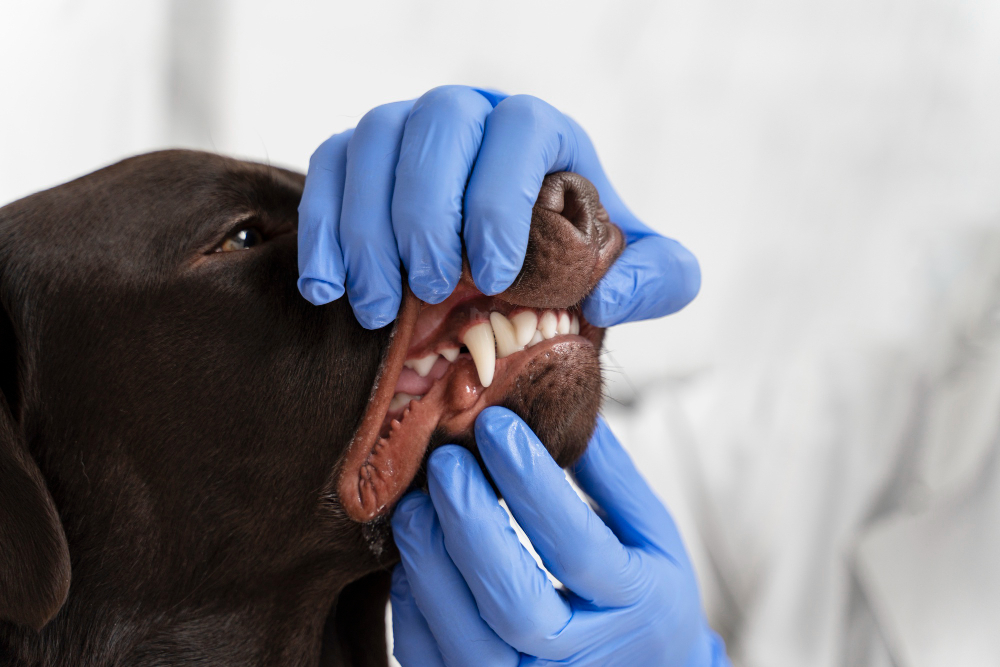
1. Why Is Cleaning Your Pet’s Teeth Important?
Regular teeth cleaning helps prevent plaque and tartar buildup, which can lead to gum inflammation and tooth loss. Dental diseases can also cause pain and infections, affecting your pet’s overall health.
Benefits of Regular Teeth Cleaning:
- Prevents tartar buildup
- Reduces the risk of gum diseases like gingivitis and periodontitis
- Improves breath freshness
- Supports overall health, as dental diseases can contribute to heart and kidney problems
2. How Often Should You Brush Your Pet’s Teeth?
The ideal frequency of brushing depends on your pet’s age and dental health. It is essential to start early to get your pet accustomed to regular oral care.
Brushing Frequency Recommendations:
- Puppies and kittens: Start brushing around 6–7 months when permanent teeth begin to emerge. This helps prevent tartar buildup from the beginning.
- Adult pets: Brush at least 2–3 times a week to maintain oral health.
- Senior pets: Older animals are more prone to gum diseases, so regular brushing is crucial.
3. How to Properly Brush Your Pet’s Teeth
Brushing your pet’s teeth may seem challenging, especially if they are not used to it. However, with patience and the right products, you can achieve effective results.
Steps for Brushing Your Pet’s Teeth:
Choosing the Right Tools
Use only pet-specific dental care products, such as toothpaste and toothbrushes designed for animals. Human toothpaste contains harmful ingredients and should never be used.
Toothpaste:
- Virbac C.E.T. Enzymatic Toothpaste – Contains enzymes to break down plaque and tartar.
- Petsmile Professional Dog Toothpaste – Approved by the Veterinary Oral Health Council (VOHC) for preventing gum disease.
- Vet’s Best Enzymatic Dog Toothpaste – A natural option with aloe and neem oil to maintain oral hygiene.
Toothbrushes:
- Virbac C.E.T. Dual-Ended Toothbrush – Designed for easy access to all teeth.
- Petrodex Finger Toothbrush – A soft brush that fits over your finger for better control.
Proper Brushing Technique
- Introduce brushing gradually – Let your pet sniff and taste the toothpaste first.
- Use circular motions – Gently clean all teeth, focusing on the gum line.
- Start with short sessions – Increase brushing time gradually to help your pet adjust.
- Pay extra attention to molars – Tartar builds up faster on the back teeth.
Gum Care
Massaging your pet’s gums improves blood circulation and helps prevent inflammation.
4. Additional Methods for Preventing Dental Diseases
Besides regular brushing, there are other effective ways to maintain your pet’s oral hygiene.
Dental Chews and Toys
Chewing helps remove plaque and tartar while keeping pets entertained.
- Nylabone Dura Chew – A durable chew toy that promotes dental health.
- KONG Dental Stick – A rubber toy designed to clean teeth while playing.
- Whimzees Natural Dental Chews – A grain-free, natural option for reducing plaque buildup.
Dental Diets and Supplements
Specially formulated diets can help maintain oral hygiene.
- Hill’s Prescription Diet t/d – A veterinary-recommended diet that reduces tartar accumulation.
- Virbac C.E.T. Dental Chews – Treats designed to clean teeth and massage gums.
Regular Veterinary Check-Ups
Routine dental exams allow vets to detect early signs of gum disease and tartar buildup. Professional cleanings may be necessary for severe cases.
5. What to Do If Your Pet Has Dental Problems
If your pet shows signs of dental issues, such as excessive drooling, pawing at their mouth, bad breath, or loss of appetite, it may indicate a problem.
Steps to Take:
- Consult a veterinarian – A vet can examine your pet’s teeth and recommend treatment.
- Consider professional cleaning – If plaque buildup is severe, professional cleaning under anesthesia may be necessary.
- Maintain a regular oral care routine – Prevention is key to avoiding costly dental procedures.
Regular teeth cleaning is a vital part of pet care. Establishing a consistent dental routine, using the right tools, and incorporating additional preventive methods will help keep your pet’s teeth healthy for years to come. By investing in your pet’s oral hygiene today, you can prevent serious health issues in the future.

