
Grooming plays a crucial role in maintaining a pet’s health, ensuring proper skin and coat care. It not only improves the pet’s appearance but also contributes to overall well-being by preventing various skin and coat issues. A modern approach to grooming involves more than just regular brushing and bathing—it includes skin health management, nutrition, hygiene, and attention to the pet’s overall physical condition.
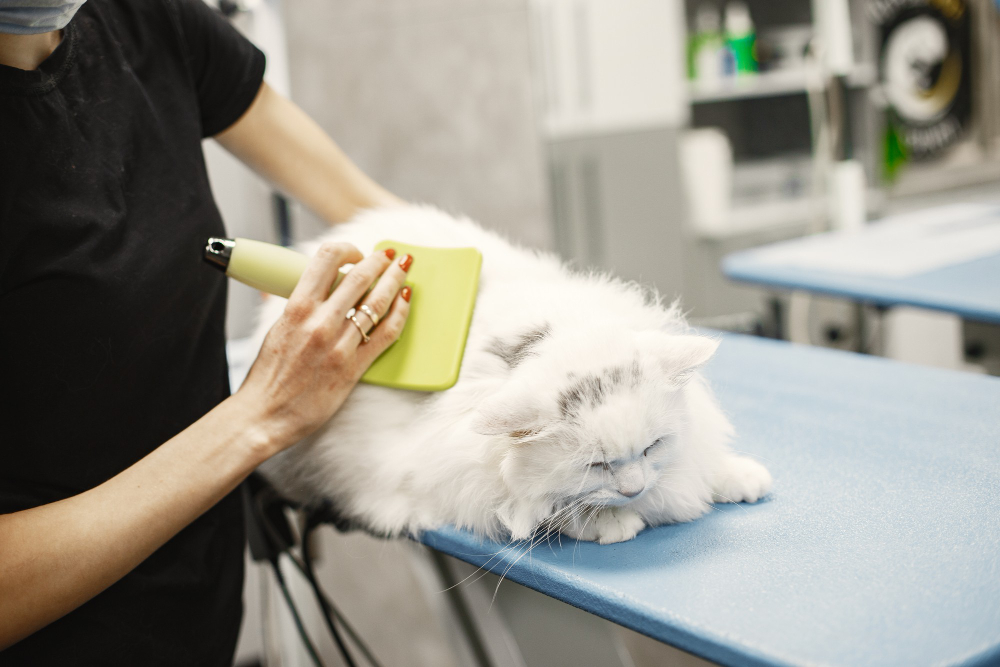
1. The Role of Grooming in Maintaining Skin and Coat Health
Early Detection of Skin Problems
Regular grooming helps identify skin issues at an early stage, such as inflammation, infections, parasites, or allergies. Early detection allows for prompt treatment, preventing more serious health problems. Grooming also promotes better blood circulation in the skin, stimulating hair follicle activity and ensuring a healthy coat.
Preventing Skin and Coat Diseases
Routine brushing and bathing help prevent common problems like matting, bacterial or fungal infections, and skin irritation. By removing dirt, dead skin cells, and loose fur, grooming reduces the risk of clogged hair follicles and secondary infections.
Stimulating Hair Growth
Brushing stimulates hair follicles, encouraging healthier and thicker coat growth. This is particularly important for pets that experience hair loss due to stress or seasonal changes.
2. Choosing the Right Grooming Products for Skin and Coat Care
Hypoallergenic Shampoos and Conditioners
Pets with sensitive skin require gentle, hypoallergenic grooming products. Shampoos containing oatmeal, aloe vera, chamomile, or lavender provide a soothing effect, reducing inflammation and maintaining moisture balance. Conditioners for long-haired breeds help prevent tangling and add shine to the coat.
Proper Skin Hydration
After bathing, it’s essential to maintain skin hydration using specialized oils, balms, or creams. Ingredients like coconut oil, shea butter, or calendula extract help retain moisture and prevent dryness, particularly in pets prone to flaky skin.
3. Nutrition and Supplements for Skin and Coat Health
The Impact of Diet on Skin and Coat
A pet’s diet directly affects skin and coat health. Nutrients like essential fatty acids, vitamins, and minerals contribute to a shiny, strong coat and healthy skin barrier.
Key Nutrients for Healthy Skin and Coat
- Omega-3 and Omega-6 Fatty Acids – Help reduce inflammation, prevent dryness, and support the skin’s natural barrier function.
- Vitamins A and E – Vitamin A regulates skin cell turnover, while vitamin E acts as a powerful antioxidant that protects skin cells from oxidative damage.
- Biotin and B Vitamins – Essential for coat strength, biotin improves hair texture and helps prevent excessive shedding.
Fish Oil and Collagen Supplements
Adding fish oil to a pet’s diet provides a natural source of Omega-3, reducing itching and improving coat texture. Collagen supplements enhance skin elasticity and coat thickness, particularly in aging pets.
4. Seasonal Grooming Adjustments for Skin and Coat Care
Summer Grooming Routine
- More frequent brushing to remove dirt, loose fur, and allergens.
- Hydrating sprays to prevent coat dryness in hot weather.
- Parasite prevention measures to avoid fleas and ticks.
Winter Grooming Routine
- Regular moisturizing to combat dry skin caused by indoor heating.
- Brushing to prevent matting from thick winter coats.
- Avoiding excessive bathing, which can strip the skin of natural oils.
5. When to Seek Veterinary Assistance
If your pet experiences persistent skin or coat problems, a veterinary visit is essential. Signs that require medical attention include:
- Excessive scratching or licking
- Red, inflamed, or irritated skin
- Patchy hair loss or bald spots
- Dandruff, dryness, or flaky skin
- Unusual odors, sores, or scabs
Grooming is more than just keeping your pet clean—it’s an essential part of their overall health and well-being. Regular care, proper nutrition, and seasonal adjustments help prevent skin issues and ensure a healthy, glossy coat. Choosing the right grooming products, maintaining a nutrient-rich diet, and staying vigilant about changes in skin or coat condition will help your pet stay comfortable and happy year-round.

