
Soft tissue injuries, such as bruises, sprains, and tears, are common in pets as a result of active play, falls, or road accidents. While these injuries are usually not life-threatening, they can cause significant discomfort and require timely treatment and rehabilitation. In this article, we will discuss how to effectively restore a pet's health after bruises and soft tissue injuries, what treatment methods exist, and what preventive measures can help avoid such injuries in the future.
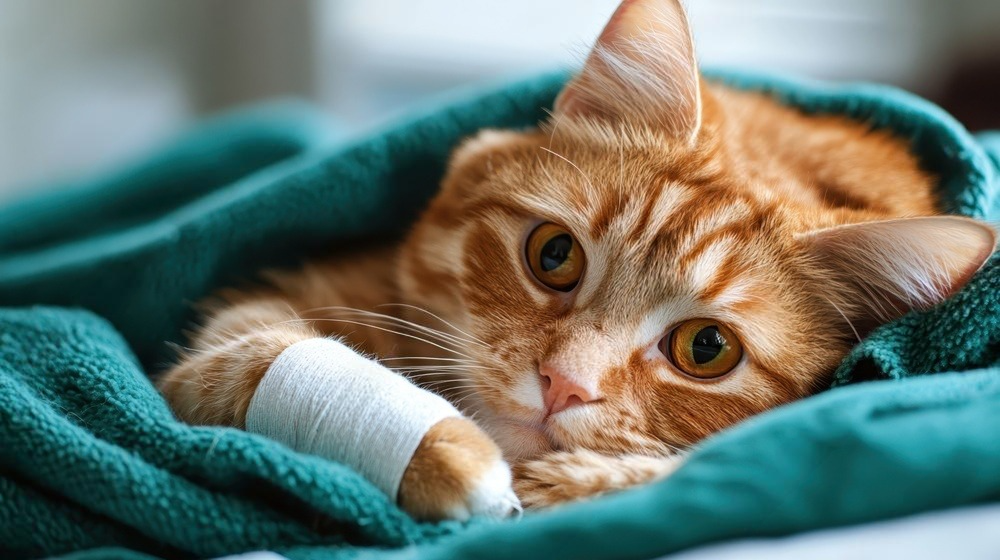
1. Signs of Soft Tissue Injuries in Animals
Bruises and soft tissue injuries can present various symptoms depending on the severity of the damage. It is important to monitor your pet’s condition closely and consult a veterinarian at the first signs of injury. Common signs of soft tissue injuries include:
- Pain: The pet may show signs of pain when the injured area is touched, often displaying limping or limited mobility.
- Swelling: The injured area may swell due to fluid accumulation in the tissues.
- Redness and Inflammation: The damaged area may become red or inflamed as the body reacts to the injury.
- Bruises: In the case of a contusion, bruising may appear on the skin.
- Behavior Changes: The pet may become more irritable, avoid movement, or hide from the owner to avoid showing weakness.
2. First Aid for Soft Tissue Injuries
If a bruise or soft tissue injury is suspected, it is important to provide first aid as soon as possible. The main steps include:
- Limit Activity: Ensure the pet remains calm and restrict its movement to prevent further injury.
- Cold Compress: Apply a cold compress (ice wrapped in cloth) to the injured area to reduce swelling and inflammation. Apply the cold for 10-15 minutes every 2-3 hours during the first 24 hours.
- Check for Open Wounds: Inspect the injured area for open wounds or skin damage. If such wounds are found, clean them with antiseptic and, if necessary, consult a veterinarian.
- Pain Relief: If the pet is in significant pain, an analgesic medication prescribed by a veterinarian can be given. Never use human medication without the vet's approval.
3. Diagnosis and Treatment of Bruises and Soft Tissue Injuries
After providing first aid, it is crucial to consult a veterinarian for an accurate diagnosis. The veterinarian will conduct an examination and, if needed, perform additional diagnostic procedures such as X-rays or ultrasound to rule out bone damage or more serious injuries.
Medication Therapy
To reduce pain and inflammation, the veterinarian may prescribe the following medications:
- Anti-inflammatory Drugs: Non-steroidal anti-inflammatory drugs (NSAIDs) help reduce inflammation and relieve pain.
- Analgesics: In some cases, pain-relieving medications may be needed.
- Topical Ointments and Gels: Ointments containing analgesic or anti-inflammatory components can be applied to the injured area.
Physiotherapy
Physiotherapeutic methods play a crucial role in recovery from soft tissue injuries. They help speed up the healing process, reduce swelling, and restore normal movement.
- Hydrotherapy: Water reduces the load on joints and muscles, allowing the pet to move without pain. Water therapy accelerates muscle and tissue recovery, aiding in relaxation.
- Massage: Light massage of the injured area helps improve circulation, relax muscles, and speed up tissue recovery.
- Laser Therapy: Laser treatment stimulates cell regeneration and improves soft tissue healing, reducing pain and inflammation.
- Electrostimulation: Low-frequency electrical impulses promote the healing of damaged tissues and muscle strengthening by improving blood circulation.
Prosthetics and Orthotics
If a soft tissue injury leads to the loss of limb functionality, the veterinarian may recommend the use of orthotics or prosthetics. These devices help support the injured part of the body, accelerating recovery and reducing pain.
4. Rehabilitation and Recovery After Soft Tissue Injuries
Rehabilitation is a key component of recovery from soft tissue injuries. It is important not only to alleviate pain and inflammation but also to restore movement in the affected area, strengthen muscles, and return the pet to its normal quality of life.
- Exercise for Movement Restoration: Once acute inflammation and pain are under control, special exercises can be introduced to restore normal movement. These include simple movements such as flexing and extending the limb, as well as active leash walks.
- Active and Passive Exercises: Depending on the pet’s condition, exercises can be either active or passive. For example, if the pet cannot move the limb on its own, the veterinarian or physiotherapist can assist with passive movements to prevent muscle atrophy.
- Gradual Load Increase: It is important to gradually increase the load on the injured limb to avoid re-injury. Start with light walks and exercises, gradually progressing to more intense physical activities as recovery progresses.
5. Preventing Soft Tissue Injuries in Pets
To prevent bruises and soft tissue injuries in the future, pet owners should follow a few simple recommendations:
- Ensure a Safe Environment: Make sure there are no dangerous objects in the house or yard that could cause the pet to fall or get injured.
- Regular Physical Activity: Active play and walks help maintain the pet's physical condition, strengthen muscles and joints, and reduce the risk of injury.
- Proper Nutrition: The diet should be balanced to support the health of the pet's tissues and joints. Supplements with glucosamine and chondroitin can help strengthen joints.
Rehabilitation after bruises and soft tissue injuries in pets requires attentiveness, a comprehensive approach, and patience. It is essential to consult a veterinarian early for diagnosis and treatment, as well as actively participate in the recovery process with physiotherapy, massage, and other methods. Timely treatment and rehabilitation will help the pet return to an active life and prevent complications.

