
A pet’s overall health depends on proper care of their teeth, claws, and ears. Ignoring issues in these areas can lead to serious illnesses that affect your pet’s well-being. It’s important to monitor changes in your pet’s behavior and appearance to address problems early and prevent complications.
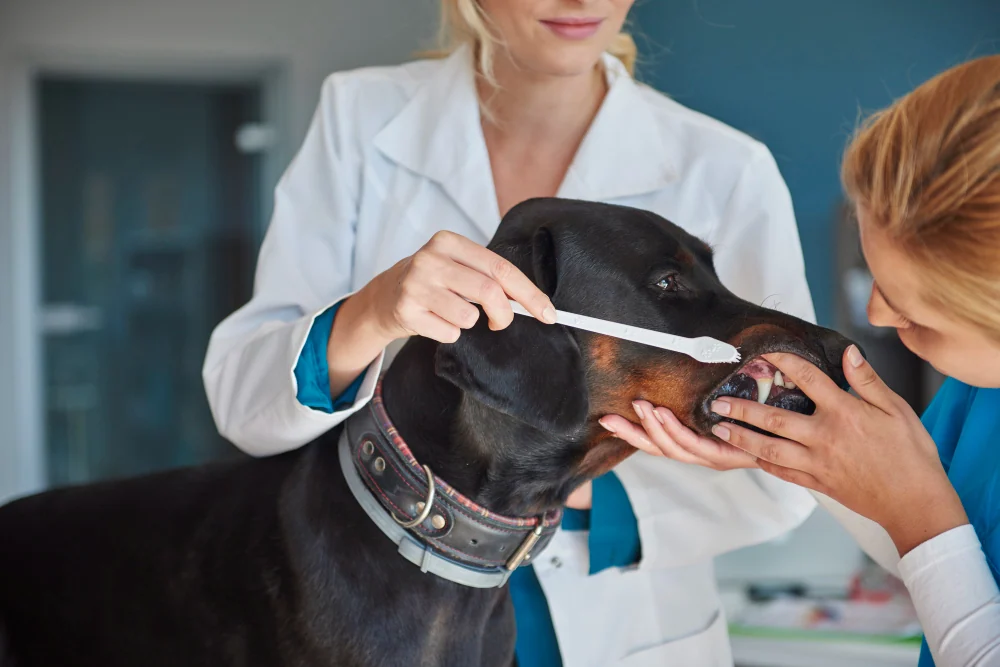
1. Dental Problems: Signs of Oral Disease
Dental and gum diseases are among the most common health issues in pets, especially in older animals. Identifying symptoms early can help prevent pain, tooth loss, and more serious health concerns.
Signs of Dental Problems in Pets:
- Bad breath (halitosis) – One of the first signs of tartar buildup or gum disease.
- Difficulty eating – A pet may refuse food, struggle to chew, or chew on one side due to dental pain.
- Excessive drooling – Increased saliva production can signal gum inflammation or oral infections.
- Bleeding gums – If gums bleed during brushing or chewing, it may indicate gingivitis or periodontitis.
- Changes in behavior – A pet in dental pain may become irritable or aggressive.
If you notice any of these signs, schedule a veterinary check-up to assess your pet’s oral health.
2. Claw Problems: Signs of Nail Disorders
Claws play a crucial role in a pet’s mobility, food handling, and balance. Poor claw care can result in infections, injuries, or ingrown nails.
Signs of Claw Issues in Pets:
- Limping or walking difficulties – If a pet avoids walking or favors one paw, it could be due to nail trauma or infection.
- Brittle or damaged nails – Cracks or breaks in the claws can be painful and require veterinary attention.
- Infections – Swelling, redness, or pus around the claw may indicate an infection.
- Ingrown claws – Common in cats, especially those that don’t naturally wear down their claws.
If these symptoms appear, consult a vet for proper diagnosis and treatment.
3. Ear Problems: Signs of Infections and Diseases
Ear infections and disorders are common in pets, particularly those with floppy ears or a tendency for wax buildup. Untreated ear problems can cause discomfort and pain.
Signs of Ear Issues in Pets:
- Frequent scratching or rubbing of ears – A pet constantly pawing at their ears or rubbing against furniture may be experiencing itchiness or pain.
- Unusual ear discharge – Dark, foul-smelling discharge can signal an infection or excessive wax buildup.
- Redness or inflammation of the ear canal – Inflamed ears are often a sign of infections like otitis.
- Foul odor from the ears – A musty or rotten smell can indicate bacterial or fungal infections.
- Balance problems or hearing loss – If a pet struggles with coordination or is less responsive to sounds, ear problems may be the cause.
If you notice these symptoms, seek veterinary care for a proper diagnosis and treatment plan.
4. When to Seek Immediate Veterinary Attention
Some symptoms require urgent medical intervention. Do not delay a vet visit if you observe:
- Severe pain causing limping, vocalizing, or refusal to eat and drink.
- Lethargy and loss of appetite – If your pet is unusually weak and disinterested in food or water.
- Tooth loss or severe dental trauma.
- Pus or blood discharge from the ears, eyes, or mouth.
- Persistent foul odor from the mouth or ears that does not improve with routine care.
These symptoms could indicate serious conditions requiring prompt veterinary treatment.
Caring for your pet’s teeth, claws, and ears is essential for their overall health. Ignoring issues in these areas can lead to significant health problems. Regular check-ups, paying close attention to behavioral changes, and timely vet visits will help prevent complications and ensure your pet enjoys a long and healthy life.
