
Positive reinforcement training is an approach based on using rewards to strengthen desired behaviors in pets. This method not only helps train pets in basic commands and tricks but also fosters healthy relationships between pet owners and their animals. At the core of positive reinforcement training is the use of rewards, such as treats, praise, or play, to motivate the pet.
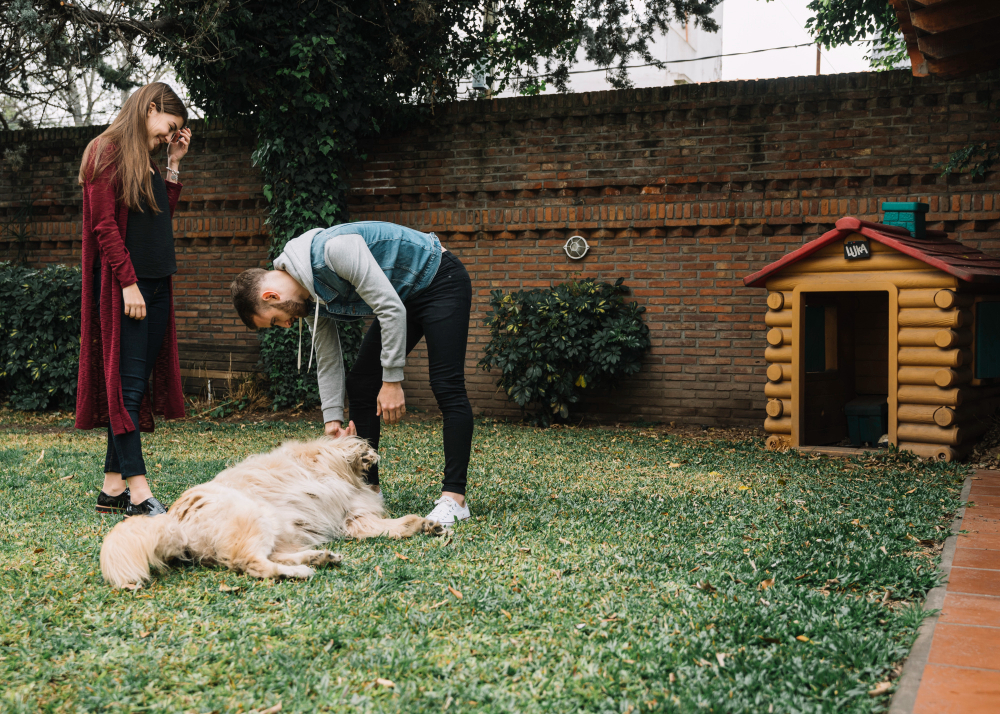
1. What is Positive Reinforcement Training?
Positive reinforcement training involves offering a reward for correct behavior. Rather than punishing mistakes, it focuses on correcting behavior through encouragement. This method helps animals learn commands and builds stronger, more harmonious relationships between the pet and the owner.
Key Principles of Positive Reinforcement Training:
- Rewarding Correct Behavior: The pet receives something pleasant (a treat, toy, attention) for performing the right actions.
- Non-violent Methods: The technique excludes punishment or force, instead teaching the animal through positive emotions and rewards.
- Gradual and Consistent Training: The training is done step by step, gradually increasing the difficulty of tasks.
2. How Does the Motivation System Work?
The motivation system in training includes selecting and using rewards that encourage the pet to perform commands. It is based on the principles of behaviorism, which asserts that behavior can be shaped through repetition and reinforcement.
Key Elements of a Motivation System:
- Choosing Appropriate Rewards: It’s important to select rewards that appeal to the pet, such as treats, toys, or simply attention from the owner. The more attractive the reward, the more likely the pet will repeat the desired behavior.
- Reward Intervals: There are several types of intervals between performing the command and receiving the reward. This can be an immediate reward (right after performing the command) or delayed by a few seconds to strengthen the association between the command and the outcome.
- Clicker Technique: This involves using a clicker as a neutral sound signal to indicate the pet has completed the task correctly. The clicker helps accelerate the learning process, as the animal associates the sound with the reward.
3. Choosing the Right Rewards
One of the most important aspects of positive reinforcement training is selecting rewards that motivate the pet. This choice may vary based on the pet’s age, breed, and preferences.
Types of Rewards:
- Treats: The most common reward, as food is a strong motivator for most animals. However, it is important to choose treats that are easily digestible and healthy.
- Toys and Play: For some pets, play is a more attractive reward than food. This is particularly true for active and playful dogs and cats. A toy can be a great way to reinforce positive behavior.
- Praise and Attention: For some animals, verbal praise and attention from their owners are sufficient rewards. This is especially true for calmer and more affectionate pets.
4. Benefits of Positive Reinforcement Training
Using positive reinforcement methods has many advantages for both the pet and the owner.
For the Pet:
- Less Stress: Unlike punishment, positive reinforcement creates a safe and comfortable environment where the pet feels confident and secure.
- Improved Relationship with the Owner: The pet associates the owner with positive emotions, strengthening trust and the bond.
- Motivation and Engagement: The pet eagerly anticipates receiving rewards, making the learning process more enjoyable and engaging.
For the Owner:
- Easier Training: Positive reinforcement is simpler to implement, as it focuses on motivation rather than complex punishments or strict methods.
- Long-Term Results: When pets learn behaviors through positive reinforcement, these behaviors tend to stick in their memory longer, resulting in stable, safe behavior.
- Better Understanding of the Pet: Through training, the owner gains a better understanding of the pet’s needs and preferences, leading to more harmonious relationships.
5. Common Mistakes in Positive Reinforcement Training
While positive reinforcement is one of the most effective methods, there are a few common mistakes to avoid:
- Inadequate Rewarding: Giving too many treats or excessive praise can cause the pet to take rewards for granted, reducing their effectiveness.
- Inconsistency: It is crucial to be consistent with commands and rewards. Any inconsistency between the command and the reward can confuse the pet.
- Ignoring Unwanted Behavior: If the pet displays undesirable behavior, it should be corrected, but not through punishment. Instead, alternative methods should be used to redirect the pet’s attention.
6. When and How to Start Training?
Training should begin as early as possible. The younger the pet, the easier it will be to teach new commands and adapt to the training regimen. However, positive reinforcement training is effective for pets of all ages.
Tips for Starting Training:
- Start with simple commands: Begin with basic commands like “sit” or “lie down.”
- Use clear, concise commands: Short and straightforward commands help the pet understand expectations.
- Be patient and consistent: Patience and regularity are key to successful training.
- Avoid overloading the pet: Keep training sessions short and enjoyable to prevent frustration.
7. When to Seek Professional Help?
If you encounter difficulties in training your pet, it may be time to consult a professional trainer. A specialist can adapt the training method to your pet’s specific needs and offer new approaches for achieving better results.
Positive reinforcement training not only helps teach your pet but also strengthens the bond between you, ensuring long-term harmony and trust. With the right motivation system, training becomes an enjoyable and effective process for both the pet and the owner.

