
Aggressive barking during walks is a common problem that many dog owners face. This behavior can involve furious barking at passersby, other dogs, or even cars, which can be inconvenient and dangerous for both your dog and others. Understanding the reasons behind aggressive behavior and applying effective correction methods is essential. In this guide, we will explore steps that can help you reduce your dog's stress and control their behavior while on walks.
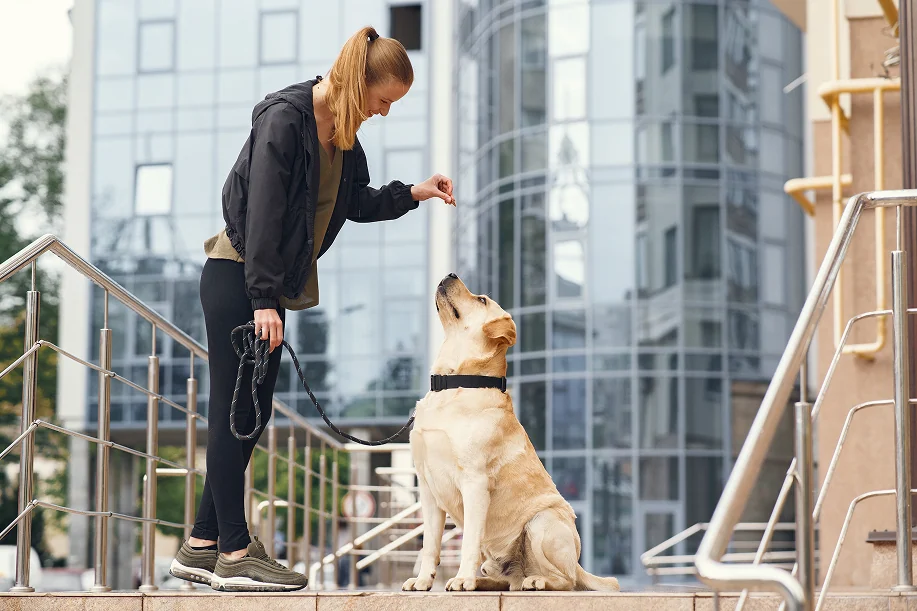
1. Understanding the Causes of Aggression
Before correcting the behavior, it’s important to understand why your dog may be barking aggressively on walks:
- Fear and Insecurity: Many dogs bark aggressively due to fear of unfamiliar people or animals.
- Territorial Protection: Some dogs may view the street as their territory and feel the need to protect it, especially if they are not used to large numbers of people or other dogs.
- Lack of Socialization: A dog that hasn’t been properly socialized with other animals or people may exhibit aggression.
- Stress: Loud or bright noises, such as passing cars or city noise, can stress your dog out and trigger aggression.
2. Socializing Your Dog
Proper socialization from an early age can prevent many behavioral problems in the future. For dogs that already show signs of aggression, you can start with slow, gradual introductions to new situations:
- Controlled Walks: Begin by walking your dog in quieter areas to help them get used to their surroundings. Gradually increase the level of exposure by moving to busier areas.
- Positive Associations with People and Animals: Use treats or toys to help your dog associate meeting other dogs and people with something positive.
- Everyday Encounters: Introduce your dog to different people and dogs at a distance where your dog stays calm (dog parks overload a reactive dog and risk fights), while staying calm and confident.
3. Control the Situation with a Leash
Proper leash management is crucial when dealing with aggression:
- Leash and Harness: Use a high-quality leash and harness to help you control your dog without causing undue stress.
- Proper Posture and Distance: Stay calm and ensure that your dog cannot approach objects that trigger their aggression. Maintain a safe distance and guide your dog at a relaxed pace.
4. Training the "Quiet" or "No Barking" Command
It’s important to teach your dog to not only stop barking but also to calm down immediately when instructed:
- "Quiet" Command: Start training the command in a calm environment, then gradually progress to more challenging situations, such as when other dogs or people appear on walks.
- Positive Reinforcement: Reward your dog with treats or praise whenever they obey the "quiet" command and stop barking.
5. Use Distraction Techniques
If your dog starts barking, redirect their attention to something more interesting:
- Toys or Treats: Offer a toy or treat to shift your dog’s focus to something else. This can help reduce stress and distract them from the object causing aggression.
- Attracting Attention: Use voice commands or even a light tug on the leash to redirect your dog’s focus toward you.
6. Implement Desensitization Techniques
If your dog reacts aggressively to other dogs or people, it’s important to reduce their sensitivity to these triggers:
- Gradual Exposure: Introduce your dog to other dogs at a controlled distance. Gradually reduce the distance over time, giving your dog the opportunity to adjust.
- Positive Reinforcement: Reward your dog whenever they remain calm, helping them form positive associations with the presence of other dogs or people.
7. Working with a Professional
If aggressive barking persists despite your efforts, it may be time to seek help from a professional:
- Dog Trainer: An experienced trainer can help create a customized training program that addresses your dog's specific needs.
- Veterinarian: Aggression may be linked to medical issues, such as pain or discomfort, so consulting with a veterinarian can help rule out health concerns and offer appropriate solutions.
8. Reducing Stress and Anxiety
Aggression is often a result of stress and anxiety, so it’s important to create a calm environment for your dog during walks:
- Slow Walks: Avoid overly fast-paced or noisy walks when your dog is anxious.
- Calming Products: collars and diffusers with synthetic pheromone may help a little; sprays with essential oils (“aromatherapy”) irritate and can be toxic.
- Physical Activity: Allow your dog to release stress through physical activities like running or playing games.
Correcting aggressive barking during walks is a long-term process that requires patience and consistency. Understanding the causes of such behavior, using proper socialization and training methods, and controlling situations when aggression arises are key. If the problem persists, don’t hesitate to consult a professional dog trainer or veterinarian for assistance in resolving the issue.
