
Creating functional zones for your pet in your home is an important step in ensuring their comfort, safety, and well-being. Just like people, pets need clearly defined spaces for sleeping, playing, and eating. Home zoning helps organize the space so that the animal feels confident and comfortable in different situations. In this article, we will explain how to properly divide your home’s space for your pet and how to effectively organize zones for sleep, play, and feeding.
1. Sleep Zone: Creating a Cozy and Safe Resting Space
One of the most important elements in a home for your pet is the sleep zone. Animals, especially cats and dogs, need a place of solitude where they can relax and recharge.
Choosing a Sleep Location
- Quiet and Secluded Area: The ideal spot for sleep should be quiet and away from noisy and active areas of the home. Pets generally prefer to sleep in a calm environment where they won’t be disturbed.
- Dark Area: While cats and dogs can sleep with light, many animals prefer a darker space. If a room has too much light, you can use curtains or blinds to create the necessary darkness.
Organizing a Comfortable Bed
- Soft Bedding: Pets need a soft surface to sleep on. Use orthopedic mattresses or specialized pet pillows that provide comfort and joint support.
- Beds and Cushions: Depending on your pet’s preferences, you can choose a bed or cushion. For dogs, a large bed with sides may be suitable, while for cats, a small, cozy basket works well.
- Durable Covers: Use fabrics that are durable and easy to clean to maintain hygiene in your pet’s sleeping area.
Temperature Control
- Warm and Cozy: For pets who love warmth, create a resting place near a heater or radiator. However, make sure they don’t overheat.
- Good Ventilation: It’s also important to ensure good ventilation, especially if your pet spends a lot of time in the sleep zone.
2. Play Zone: Space for Activity and Entertainment
Play is an essential part of a pet’s life. It not only promotes physical development but also mental stimulation, and it helps to avoid boredom and stress.
Choosing a Play Area
- Spacious Zone: The play area should be spacious enough for your pet to run, jump, and play freely. For active dogs, a corner of the living room or hallway works well, while for cats, a window nook or corner of a room is ideal.
- Easy Access to Toys: Playthings should be easily accessible. Organize a designated toy storage area so that your pet can easily find their favorite items.
Types of Toys for Different Pets
- For Dogs: Balls, ropes, frisbees, and other active toys are great for maintaining a dog’s physical fitness. You can also set up agility toys like tunnels or obstacles.
- For Cats: Cats need a variety of toys—from simple balls to laser pointers and feathered toys. It’s also a good idea to create climbing areas for cats, such as scratching posts or a play structure.
Creating an Interactive Environment
- Interactive Toys: These toys stimulate your pet’s mental activity. Puzzle toys or treat-dispensing toys require your pet to think about how to retrieve the treat.
- Environmental Enrichment: Installing shelves, tunnels, or specialized climbing walls will not only entertain your pet but also help them train agility and coordination.
3. Feeding Zone: Organizing a Space for Food and Water
Proper feeding areas are essential for your pet’s health and comfort. The feeding zone should be separate to allow your pet to eat and drink peacefully without external distractions.
Choosing a Feeding Location
- Separate from the Rest Zone: The feeding area should not be located in the pet’s sleeping zone, as animals should associate eating with a separate activity. This also prevents food from spilling into the sleep area.
- Accessibility: Make sure the feeding area is accessible to your pet at any time. If you have multiple pets, consider creating separate feeding zones for each of them.
Choosing Bowls and Feeders
- Food and Water Bowls: Use stable and durable bowls for food and water. For dogs and cats with long ears, consider special low-edged bowls to prevent their ears from touching the food.
- Height Adjustment: For large dogs or older pets, consider bowls with adjustable height. This will allow them to eat in a more comfortable position.
Maintenance and Hygiene
- Cleanliness of Bowls: It’s important to regularly wash the bowls and change the water to ensure your pet doesn’t drink from stale water or eat from dirty dishes. Consider using bowls with antibacterial coatings or easy-to-clean models.
- Feeding Schedule: Feed your pet at regular times. If you have a feeding schedule, use automatic feeders with timers.
4. Additional Zones: Space for Communication and Socialization
Don’t forget that your pet is a living being that needs to interact with you and other family members. Additional spaces for relaxation and socializing will help maintain your bond with your pet.
Communication Zones
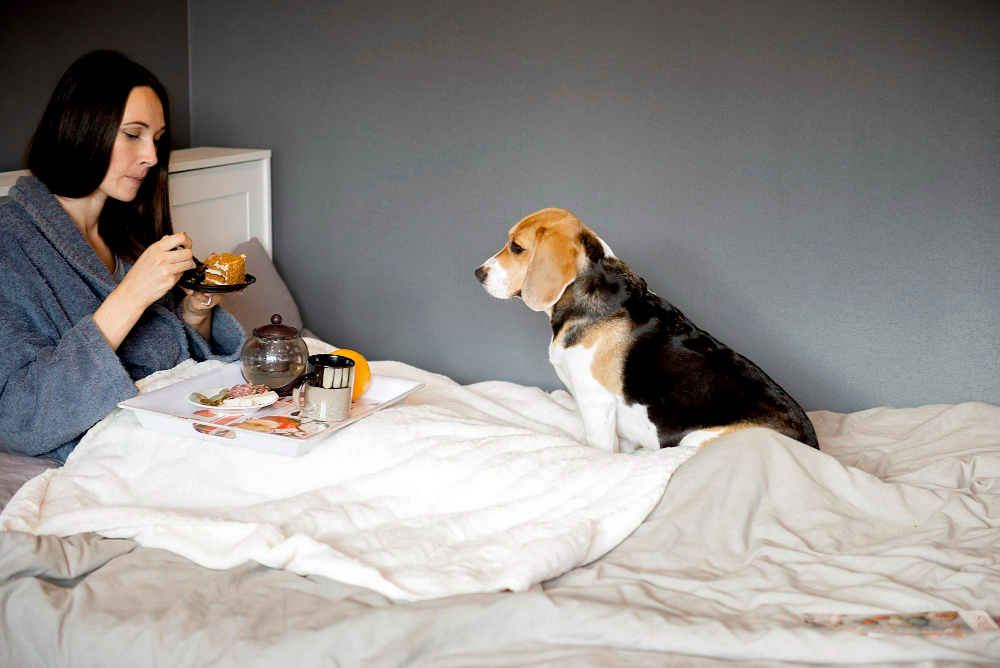
- Couches and Chairs for Owners: If your pet loves to spend time next to you, create a space where both of you can relax together. This could be soft chairs or couches where your pet can comfortably lie beside you.
- Walk Area: If you have a balcony or terrace, create a small walking area where your pet can enjoy the fresh air and sunny days.
Effective zoning in your home for your pet is not only a way to organize space, but also a way to create a comfortable and safe environment for your four-legged friend. By dividing the space into zones for sleep, play, feeding, and socializing, you ensure your pet’s health, well-being, and harmonious development. Take care to make all zones comfortable and safe, and your pet will feel at home wherever they are.

