
Living in a city apartment with a dog requires a special approach. Limited space, noise from the streets, and the lack of nature—these can all pose challenges for providing a comfortable living environment for your pet. However, with the right organization of space and an understanding of your dog’s needs, you can create a cozy and safe place for them in the city. In this article, we’ll share tips on how to organize a comfortable living space for your dog in an urban apartment.
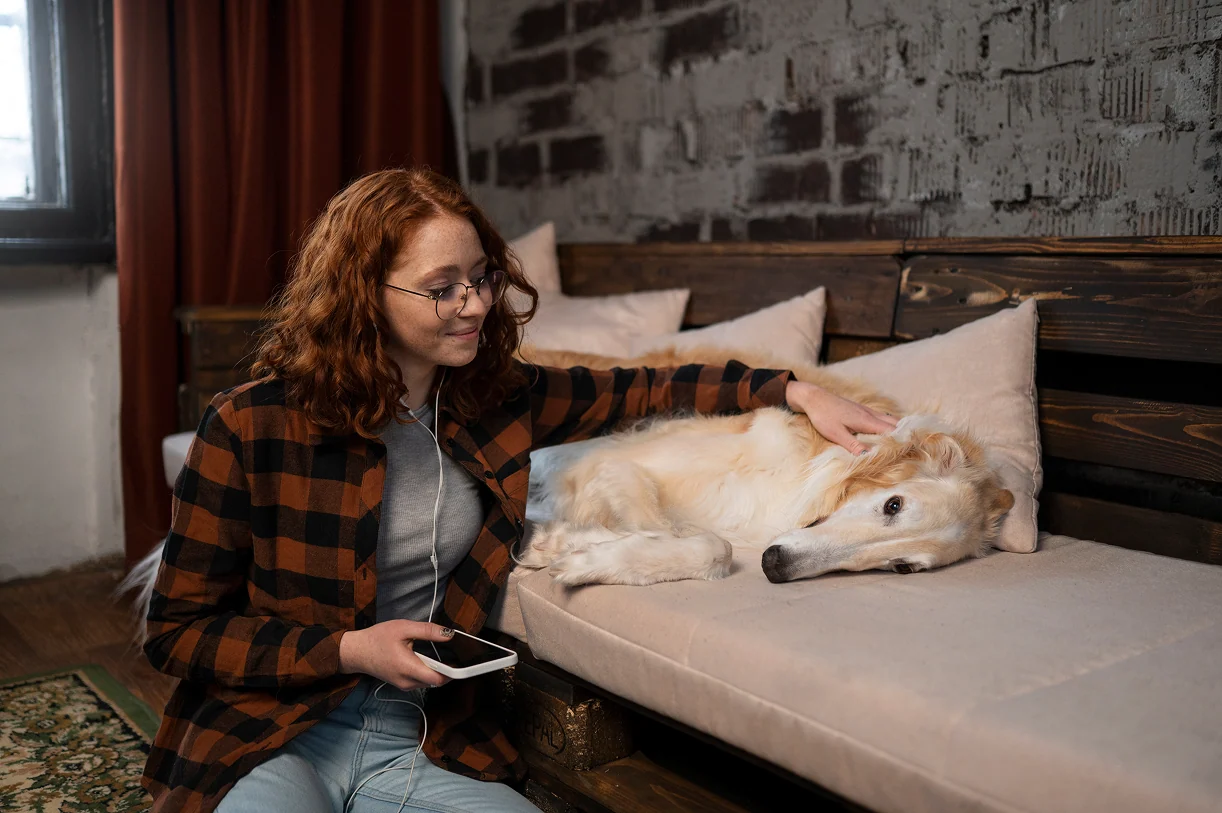
1. Space Planning: How to Use Every Corner of the Apartment
Limited space in an apartment is a reality faced by many dog owners. However, even in small spaces, you can create comfortable conditions for your pet if you organize the zones properly.
Rest and Sleep Area
It’s essential for your dog to have its own place for rest and sleep. Even if your apartment is small, it’s worth dedicating a corner where your dog can relax peacefully. This could be:
- A soft mat or bed. Make sure the resting area is in a quiet spot, away from high-traffic zones such as the kitchen or hallway.
- A designated sleep zone. For large dog breeds, consider using beds with raised edges so they feel protected and secure.
Play and Physical Activity Zone
In an apartment, it’s important to ensure your dog has space for regular physical exercise. Even if you don’t have a large area, you can still set up a dedicated activity space.
- Toys and fitness equipment. Various toys that stimulate both mental and physical activity are great for dogs, such as balls, ropes, and puzzle toys that require problem-solving.
- Mini-exercise zone. Even small spaces can be turned into a play area with equipment like ramps or platforms for jumping.
Eating and Drinking Area
To ensure your dog’s comfort during meals, create a separate eating zone. The bowls should be placed in an area where your dog can feel calm and not be distracted by outside stimuli. Consider placing them on a stand to maintain hygiene.
2. Safety: How to Protect Your Dog from Urban Risks
Living in the city presents numerous dangers that a dog might face. Street noise, the risk of accidental escapes, and other hazards require special attention from pet owners.
Sound Insulation
One of the biggest challenges of urban living is the street noise. To help your dog adjust to the noisy environment, consider:
- Soundproof windows. Special curtains or windows with double glazing can help reduce the noise level.
- Resting area in a far corner of the apartment. Place your dog’s sleep area away from windows and doors to minimize the impact of street noise.
Escape Prevention
In the city, the risk of your dog accidentally escaping is much higher than in a private home with a fenced yard.
- Secure doors and windows. Ensure windows and doors are properly closed and safe for your dog. You can install screens or protective grilles on balconies and windows.
- Leashes and harnesses. Always use a leash and harness when walking your dog in the city to prevent unexpected escapes and ensure better control.
Choosing Safe Furniture
Furniture should not only be stylish but also safe for your dog.
- Avoid sharp corners and lightweight furniture that may topple over. Ensure that the furniture is sturdy and won’t pose a danger if your dog decides to jump or knock into it.
- Avoid small items that your dog might swallow. Keep the apartment tidy and avoid leaving toys or other objects that could be dangerous to your dog.
3. Walks and Activities Outside the Apartment
Remember, even in a city apartment, your dog needs regular walks and physical activity. It’s important to consider a few factors to make these walks as comfortable as possible.
Choosing Safe Places for Walks
- Parks and enclosed areas. Try to choose places for walks where your dog can safely run and play, such as parks, fenced areas, or designated dog zones.
- Caution near traffic. Be especially careful on busy streets. Always use a leash and harness to prevent your dog from running off unexpectedly.
Socialization and Stress Resistance
- Walking in different areas. Regular walks in different locations help your dog get used to the city’s noise and various situations.
- Meeting other animals. Dog socialization is crucial for their emotional well-being. Arrange meetups with other dogs during walks or in designated areas for pets.
4. Adapting Your Pet to City Life
City living can be quite stressful for dogs, especially for those who’ve previously lived in quieter environments. It’s important to focus on helping your pet adapt.
Establishing a Routine
Gradually introduce your dog to the rhythm of city life, starting with short walks and gradually increasing their duration. Dogs thrive on routine, so regular walks, meals, and rest will help your dog feel confident in their new environment.
Psychological and Emotional Well-being
Ensure your dog isn’t feeling stressed by the urban environment. Create quiet zones where your dog can retreat from noise and people, and make sure you spend enough time playing and relaxing with them.
Keeping a dog in a city apartment requires thoughtful planning. Proper space organization, safety measures, and helping your pet adapt to city life will ensure that your loyal friend enjoys a comfortable life in the city.
