
When a new pet arrives in your home, it’s important not only to provide a safe space but also to create a convenient and functional environment. Choosing the right furniture for your pet will not only help organize their corner but also improve the comfort of both the animal and the owners. In this article, we will explain how to select furniture to create a unique resting, playing, and feeding area for your pet.
1. Resting Area: Comfort and Coziness with the Right Furniture
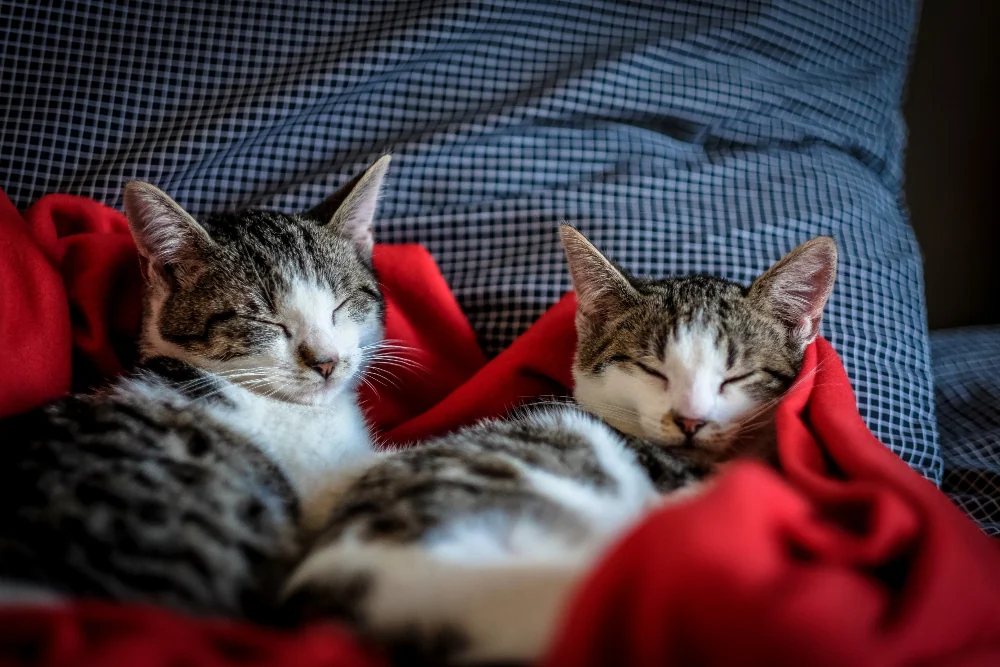
The resting area is the most important space for your pet, where they will sleep, relax, and recover after playing. To create the most comfortable resting place, pay attention to the following furniture elements:
Pet Beds and Cots
- Materials: For pets, it’s best to choose beds with soft fillings, such as memory foam or woolen covers, which help maintain joint health, especially for older or large animals.
- Size and Shape: Choose a bed that fits the size of your pet. Medium and large breed dogs may prefer more spacious beds, while cats and small dogs are best suited for compact cushions or baskets.
- Side Cushions: Soft side cushions can help your pet feel safe and secure, creating a cozy atmosphere, especially if the animal is still adjusting to the new home.
Shelves and Cat Houses
- Shelves for Cats: Cats love high places where they can observe the world. Placing special shelves or small ladders on the walls will provide them with a place to rest and keep watch.
- Houses and Hiding Spots: Pet houses provide a sense of security. They can be either enclosed or open but should always be cozy and dark enough for the pet to rest away from noise and commotion.
2. Play Area: Choosing Active Toys and Play Complexes
Play is an essential part of your pet’s life, helping them maintain physical fitness, develop intelligence, and reduce stress. You need to set up a place where your pet can actively spend time playing and exploring.
Cat Play Complexes
- Multifunctional Complexes: For cats, play complexes with scratching posts, tunnels, platforms, and stairs are perfect. This gives your pet the chance not only to play but also to sharpen their claws and explore the space.
- Balls and Mouse Toys: Cats love playing with small balls and toys shaped like mice or birds. These can be added to the play area in containers or baskets.
Dog Toys
- Interactive Toys: For dogs, interactive toys that are engaging both physically and mentally are ideal, such as balls with hidden treats or toys that make sounds.
- Rubber Toys and Ropes: These toys entertain dogs and help strengthen their teeth and jaws, especially for active breeds.
3. Feeding Area: Functional Furniture for Eating and Drinking
The feeding and drinking area should be organized in a way that’s convenient both for the pet and the owners, without interfering with other zones in the home. Proper furniture can help avoid mess and create a comfortable eating space.
Bowls and Stands
- Bowls on Stands: Large dogs will benefit from stands with bowls, which help prevent discomfort during meals and improve posture. For cats and small dogs, you can use bowls with non-slip bases.
- Automatic Feeders: For owners who are often away from home, automatic feeders with timers are a great option, dispensing food at specific times.
Feeding Tables and Areas
- Feeding Furniture: For medium and large dogs, feeding tables that allow the pet to eat standing up, without having to lean down, can be very useful.
- Watering Area: It’s important to provide a place for drinking water that remains clean and won’t be accidentally spilled.
4. Safety and Comfort: Furniture Tailored to Your Pet’s Needs
In addition to functionality, furniture should take into account your pet’s safety needs. For example, for active dogs, choose furniture with non-slip legs, and for cats, consider closed corners or boxes with hideaways where they can feel safe.
Furniture for Active Pets
- Closed Corners: For aggressive dogs or pets prone to destructive behavior, choose furniture with protection to prevent damage.
- Scratch-Resistant Furniture: If you have a cat, keep in mind that they will scratch, so opt for furniture with durable upholstery that resists damage.
5. Furniture for Storing Pet Accessories
Many pet owners use additional accessories, such as toys, collars, medications, and grooming products. To keep them from creating clutter, specialized furniture for storing accessories can be a good solution.
Organizers for Toys and Accessories
- Cabinets and Drawers: Furniture with pull-out drawers will help organize toys, collars, and other items, ensuring convenient access to your pet’s belongings.
- Toy Baskets: Simple baskets or containers placed near the play area help maintain order and allow your pet to independently retrieve their toys.
Choosing the right furniture for your pet is a key aspect of organizing a comfortable and safe space in your home. Pay attention to the functionality of each zone—resting, playing, and feeding—while also considering safety and comfort. Well-chosen furniture will make your pet’s life more enjoyable and will make caring for them easier for you.
