
The Importance of Adapting Diagnosis for Different Age Groups
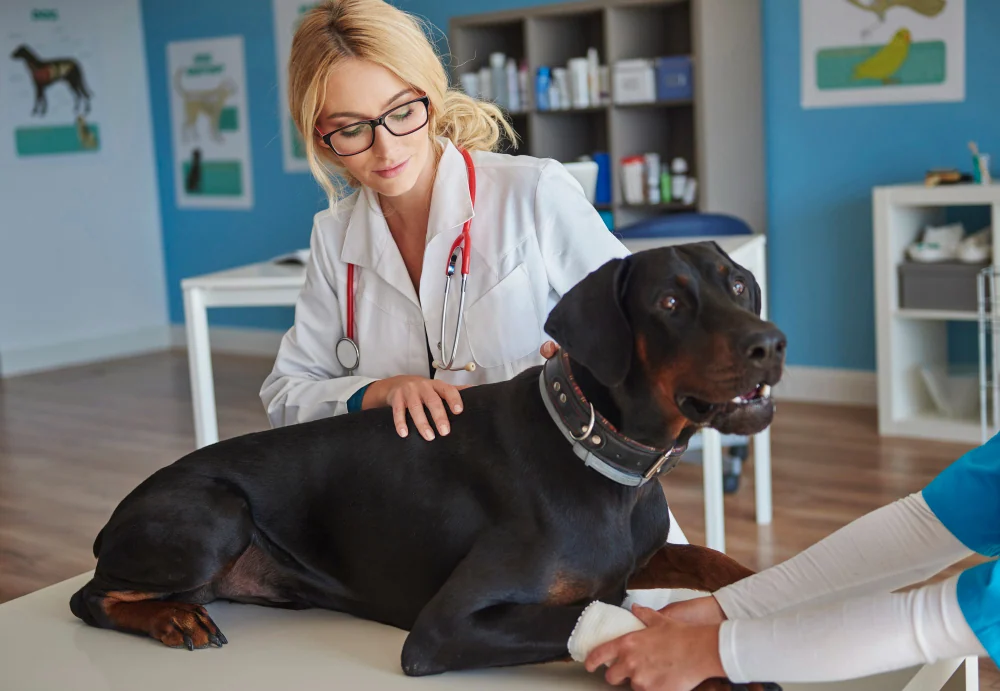
The correct choice of diagnostic methods for pets based on their age is a key factor in maintaining their health. Different age groups—puppies, adult pets, and senior pets—require different approaches as the physiology and health of animals change at each stage of their life. Adapting diagnostic tools for each age category ensures the accurate and timely detection of diseases and helps maintain pets’ health at optimal levels.
Diagnosis for Puppies and Kittens: Early Prevention and Disease Detection
For young pets, the primary focus of diagnosis is prevention and identifying diseases that may emerge early on. During this period, it's crucial not only to provide necessary vaccinations but also to assess the pet's overall health to prevent infectious and parasitic diseases.
1. Key Features of Diagnosis for Puppies and Kittens
- Preventive Exams: At this stage, the emphasis is on general examinations that can help detect developmental abnormalities, congenital diseases, and parasitic infections.
- Vaccination: It's important to follow the vaccination schedule to prevent dangerous infections like distemper, infectious hepatitis, and other viral diseases.
- Parasite Checks: Puppies and kittens are particularly susceptible to parasites, so regular fecal tests and checks for fleas and ticks are essential.
2. Diagnostic Methods for Young Pets
- Complete Blood Count (CBC) and Urinalysis: Basic tests that can identify anemia, inflammatory processes, or parasitic diseases.
- Ultrasound: Used for diagnosing diseases of internal organs such as the liver, kidneys, and abdominal organs.
- X-ray: Useful for identifying abnormalities in the musculoskeletal system, such as hip dysplasia or other bone-related issues.
Diagnosis for Adult Pets: Monitoring Chronic Diseases
For adult pets, the focus shifts to early detection of chronic diseases and preventing their progression. At this stage, it's especially important to monitor vital organs such as the heart, liver, and kidneys. Regular preventive exams are also necessary to detect diseases that may arise without obvious symptoms.
1. Key Diagnostic Goals for Adult Pets
- Detection of Hidden Diseases: Many diseases in adult pets develop slowly and may not show noticeable symptoms in the early stages. Regular exams help identify issues like liver and kidney diseases, diabetes, and heart diseases.
- Chronic Disease Monitoring: Adult pets often develop chronic conditions like arthritis, diabetes, heart diseases, and liver problems. It's important to monitor their health and adjust treatments as needed.
2. Diagnostic Methods for Adult Pets
- Biochemical Blood Test: This test helps track the function of internal organs, including the liver, kidneys, pancreas, and other vital systems.
- Cardiological Tests: ECG and echocardiography are necessary to monitor cardiovascular health, especially for breeds predisposed to heart diseases.
- X-ray and Ultrasound: These methods are used to diagnose joint diseases, internal organ conditions, and to detect tumors.
Diagnosis for Senior Pets: A Comprehensive Approach and Focus on Age-Related Changes
Senior pets require special attention, as the likelihood of developing chronic diseases and age-related changes increases with age. At this stage, it's crucial not only to detect diseases but also to monitor the pet's quality of life to maintain their health and well-being.
1. Key Diagnostic Goals for Senior Pets
- Early Detection of Age-Related Diseases: Senior pets face a higher risk of conditions like heart disease, kidney disease, arthritis, tumors, and other age-related issues. Regular exams help detect changes in their bodies and initiate timely treatments.
- Maintaining Quality of Life: It's important not just to identify diseases but also to monitor their impact on the pet's daily life. Tailored treatment plans, dietary adjustments, and other supportive measures help ensure comfort and a good quality of life.
2. Diagnostic Methods for Senior Pets
- Complete Blood Count (CBC) and Urinalysis: These tests help detect issues with organs like the kidneys and liver and assess the overall health status of the animal.
- Ultrasound and X-ray: These are used to diagnose diseases of internal organs, joints, and to identify tumors.
- Cardiological Tests: Regular ECG and echocardiograms are especially important for senior pets to monitor cardiovascular health.
How to Adapt Diagnostic Tools for Different Age Groups?
Based on the age of the animal, diagnostic methods must be adapted to identify the diseases most relevant to that age group. For young pets, the focus is on prevention and detecting congenital abnormalities, for adults it is on the prevention and management of chronic diseases, and for senior pets, a comprehensive examination is necessary to identify age-related changes and conditions common in older animals.
1. Diagnosis for Young Pets
- Focused on prevention and vaccination.
- Emphasis on detecting congenital diseases and parasitic infections.
- Basic tests and diagnostic methods like CBC, ultrasound, and X-rays.
2. Diagnosis for Adult Pets
- Regular checks for chronic diseases and hidden infections.
- Biochemical blood tests, cardiological tests, X-rays, and ultrasounds to monitor the internal organs.
- Regular preventive exams to prevent disease progression.
3. Diagnosis for Senior Pets
- A comprehensive approach that includes blood and urine tests, X-rays, ultrasounds, and cardiological exams.
- Focus on age-related diseases like arthritis, heart disease, and kidney issues.
- Support for quality of life through individualized treatment and disease prevention.
Adapting diagnostic tools for different age groups is essential for ensuring the health of pets throughout their lives. Regular exams, the correct diagnostic methods, and an individualized approach to each animal allow for the timely identification and prevention of diseases.
