Contents
- What happened in the Netherlands
- What the authorities have done
- No national housing order yet
- Denmark: the third case since Friday
- Why the risk rises in autumn
- Is the virus dangerous to people
- Why the virus is dangerous to cats
- How to protect your cat
- How to protect backyard hens
- How long the zones last
- Vaccination: what the Netherlands is trying
- What happens next
- When to see a vet
What happened in the Netherlands
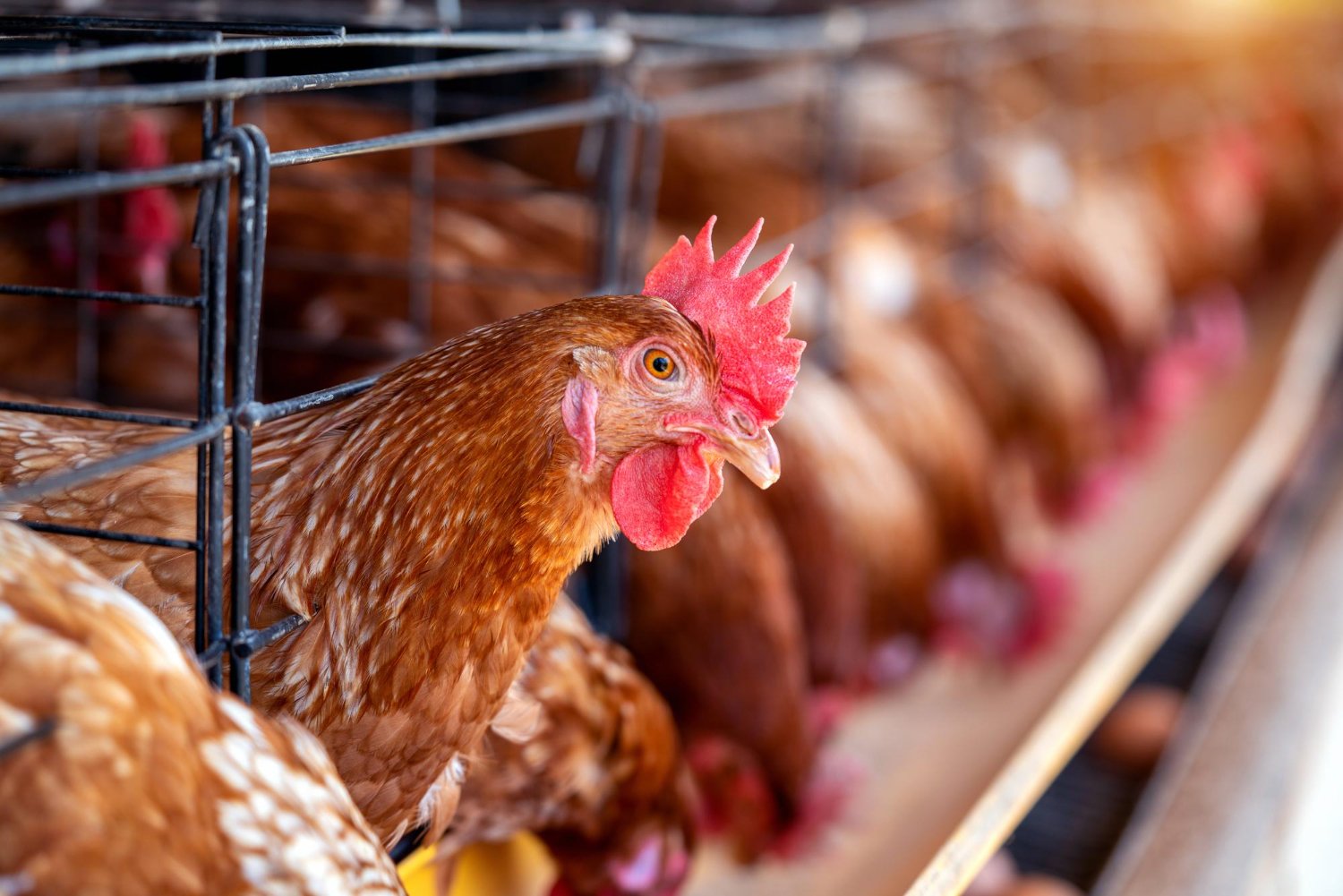
On the evening of 26 October 2026, the Dutch Ministry of Agriculture, Fisheries, Food Security and Nature (LVVN) announced that bird flu had been confirmed on a laying-hen farm in the village of Lutjegast (Westerkwartier municipality, Groningen province). To stop the virus spreading, the ministry decided to cull all the birds on the farm — around 45,000 hens. The work is being carried out by the Netherlands Food and Consumer Product Safety Authority (NVWA).
It is the country's first outbreak since July. The previous one was found on 17 July in a small hobby flock in South Holland, and there were no new cases on farms over the summer and early autumn.
The very next day, 27 October, the virus was found for a second time — in the village of Middelie (Edam-Volendam municipality, North Holland). This was not a commercial farm but a so-called zorgboerderij, a care farm where people with additional support needs work with animals. Its roughly 150 hens are also being culled.
Government of the Netherlands, Fødevarestyrelsen; 26–27 October 2026
What the authorities have done
A 10-kilometre restriction zone has been set up around both sites: a protection zone with a 3-kilometre radius and a surveillance zone up to 10 kilometres. There are no other poultry farms within 1 or 3 kilometres of the Lutjegast farm, and 21 within the 10-kilometre zone. There are no other poultry farms anywhere near Middelie.
A movement ban came into force immediately across the whole 10-kilometre zone. No birds, hatching eggs or table eggs may be moved off premises where birds are kept. Moving poultry manure and used litter is also banned — the virus survives in them for a long time. Other animals and their products may be moved, but only under a strict hygiene protocol.
The NVWA is tracing all of the farms' contacts over the past few days to see whether poultry, eggs or feed went from them to other premises. If risky links are found, further testing will follow, or contact farms will be placed under restrictions.
No national housing order yet
In the Netherlands the strongest measure against bird flu is the ophokplicht — an order to keep all poultry indoors. After the first outbreak the ministry wrote that it gave "no direct reason yet" to introduce one. After the second, the tone changed: the authorities are considering whether further measures are needed and have asked the expert group on animal diseases (Deskundigengroep Dierziekten) for a new risk assessment.
For people with hens in the garden, it's a signal to get ready in advance: if a housing order comes in, birds will have to be moved under a roof or netting quickly.
Denmark: the third case since Friday
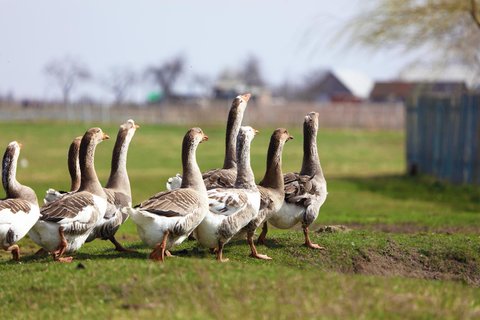
On 27 October the Danish Veterinary and Food Administration, Fødevarestyrelsen, reported an outbreak in a small flock in Nørre Vedby (Guldborgsund municipality on the island of Falster). The flock was 50 hens, 8 geese and 3 peafowl. The hens fell ill, several died, and the Statens Serum Institut laboratory confirmed highly pathogenic avian influenza. The remaining birds were put down the same day — for their welfare and to stop the virus spreading.
This is already the third case of bird flu since Friday. Even though there are only a few animals in this flock, the frequency of infections shows how serious this is and why it is so important that we take disease protection seriously, especially at this time of year.
Mette Kirkeskov Sie, veterinary surgeon and head of unit at Fødevarestyrelsen
Protection and surveillance zones have been set up around the flock. Everyone keeping hens or other birds inside the zones must register them on the national portal, and live birds, eggs and poultry products may not be moved without permission from the authority. Markets, shows and competitions with poultry are banned in the zones. Earlier in October the virus had already been found on two turkey farms in Denmark.
Why the risk rises in autumn
In recent years bird flu has persisted in wild birds in Europe all year round, but it increases in autumn. Millions of migrating birds — ducks, geese, swans, waders — head for their wintering grounds and stop over on lakes, fields and coasts. The Netherlands and Denmark lie right on these routes. The virus is shed in droppings, and domestic poultry become infected if they can come into contact with wild birds or their droppings: through water, feed, footwear or bedding.
That is why the first autumn outbreaks almost always begin in countries around the North Sea and the Baltic. In October 2026 bird flu had already been confirmed on farms in England, Germany and Denmark — and now the Netherlands.
Is the virus dangerous to people
The authorities in both countries stress that people very rarely catch bird flu, usually only after close contact with sick birds. Eggs and meat from the shops are safe when cooked in the usual way. But sick and dead birds should never be handled with bare hands, and dead wild birds should be reported — in Denmark through the FugleinfluenzaTip app, in the Netherlands to the NVWA, and in Great Britain to the Defra helpline.
Why the virus is dangerous to cats
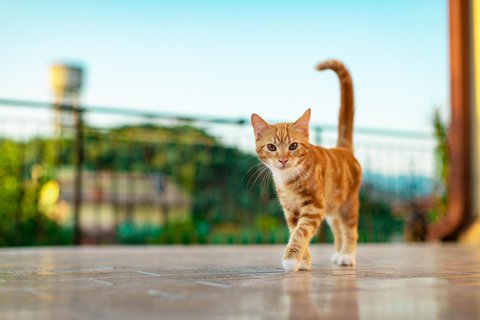
For cat owners, bird flu is not just news about farms. Cats are susceptible to the current strain: they become infected by catching and eating sick birds or by eating raw poultry. In cats the illness is severe — with high fever, lethargy, refusing food, breathing difficulties and neurological signs such as wobbliness, seizures and blindness. Dogs fall ill much more rarely, but they still shouldn't touch dead birds.
How to protect your cat
- Don't feed raw poultry in areas with outbreaks — no raw meat, offal or raw diets based on poultry.
- Limit hunting. If your cat goes outdoors, it's best to keep them in during the outbreak season or let them out under supervision, especially near water.
- Don't give raw milk or products made from it.
- Wash your hands and footwear after contact with poultry before stroking your cat.
- If you notice signs of illness after your cat has had contact with a bird, phone your vet straight away and mention the possible contact before you go in.
How to protect backyard hens
Small flocks become infected just like large farms, as the Danish case shows. Simple rules lower the risk:
- Feed and water your birds under cover or under netting so wild birds can't get to the food and water.
- Keep ducks and geese away from shared ponds where wild waterfowl rest.
- Keep separate footwear and clothing for the hen house and wash your hands before and after.
- Store feed and bedding in closed containers so wild birds and rodents can't reach them.
- Don't take birds to shows or markets in areas under restrictions.
- Watch your flock's health: sudden deaths, lethargy, going off feed, a drop in laying, bluish combs or swollen heads are a reason to call your vet immediately.
How long the zones last
Zones around an outbreak aren't lifted straight away. Under general EU rules a protection zone stays in place for at least three weeks after the infected premises have been cleaned and disinfected, and a surveillance zone for at least a month. During that time vets visit the premises in the zones, inspect the birds and take samples. Only when the checks show the virus hasn't spread further are the restrictions lifted. Denmark says exactly that: the zones will be lifted once investigations confirm the infection hasn't spread.
For poultry keepers inside a zone, that means several weeks without selling or moving birds or eggs, and getting new hens will also have to wait.
Vaccination: what the Netherlands is trying
The Netherlands is one of the EU countries preparing seriously to vaccinate hens against bird flu. A pilot project has been running there since spring 2025: laying hens are vaccinated as chicks in the hatchery and then monitored on the farm. The government is discussing a plan for compulsory vaccination of laying hens with the industry, but it hasn't been adopted yet. The main difficulty is trade: some importing countries don't accept products from vaccinated poultry, so eggs from the pilot are sold only within the Netherlands.
Until vaccination becomes widespread, the main protection stays the same: preventing contact between domestic and wild birds and culling quickly on infected farms.
What happens next
Experts in the Netherlands are preparing a new risk assessment, which will decide whether a general housing order is introduced. Denmark's threat level from wild birds is "medium"; if it is raised to "high", poultry across the country will have to be covered and kept indoors. Both countries remind small-scale keepers that biosecurity rules apply to three hens in the garden, not just to big farms. If there are outbreaks in your area, keep an eye on announcements from your local animal health authority.
When to see a vet
If your poultry suddenly start dying or falling ill, call your vet or the local animal health authority — this is a legal requirement in the UK and across the EU. If your cat has caught or eaten a bird and afterwards seems lethargic, stops eating or has problems breathing or moving, don't wait: see a vet the same day.
Sources
- Government of the Netherlands (Rijksoverheid), Ministry of Agriculture LVVN, 26 October 2026
- Government of the Netherlands (Rijksoverheid), 27 October 2026
- Fødevarestyrelsen (Danish Veterinary and Food Administration), 27 October 2026
- Wageningen Bioveterinary Research, list of outbreaks, 27 October 2026