Contents
- What the zoo said
- Why this is a question of animal welfare
- 200 menus every day
- What you can take from this at home
- What could happen
- Supplies for dogs and cats
- How much water a pet needs
- If your pet is on a special diet
- Birds
- Aquariums
- Reptiles and amphibians
- Rabbits and rodents
- How to keep pets warm without electricity
- Older and sick animals
- Make arrangements with your neighbours
- A first aid kit for your pet
- How to store supplies
- If you have to leave
- Stress in animals during a crisis
- What this means for Europe
- When to see a vet
What the zoo said
On 1 November 2026 the Danish public broadcaster DR, citing the TV channel TV2 Kosmopol, described how Copenhagen Zoo is preparing for possible crises. The zoo has installed an emergency power plant and keeps stocks of food so that its residents could get through a prolonged power cut, for example.
The Danish authorities advise people to keep three days' food and drink at home in case of a crisis. For the zoo the task is far more complicated: every day, all the animals must get exactly the special food they need.
DR, TV2 Kosmopol; 1 November 2026
Why this is a question of animal welfare
This is about animal welfare. We must always provide the best conditions, and if the power goes, some animals will be in the cold, others in the heat, and some incubators will stop working.
Mads Bertelsen, zoological director of Copenhagen Zoo
Many of the zoo's residents, such as tropical reptiles, amphibians, fish and birds, need a particular temperature, light, ventilation and water filtration. Without electricity these systems stop, and that becomes dangerous for animals within a few hours.
200 menus every day
According to Bertelsen, the zoo has 220 animal species and thousands of individuals, and all of them must be fed every day. So staff prepare 200 different menus, from the diet for armadillos to food for large predators. The zoo always keeps enough stock for several days and buys some special products almost a year ahead.
The director considers it realistic to keep food stocks for all the animals. In a real crisis, individual products might have to be replaced, but for now the zoo is confident that the animals would get what they need for their welfare.
What you can take from this at home
The zoo's approach is useful for ordinary pet owners too. A power cut, storm, flood, illness or supply problems can happen at any time. If you keep food and water at home for people, think about your pets as well: food, water, medicines, warmth and safety.
What could happen
Emergencies vary: a power cut lasting hours during a storm or snowfall, flooding, water outages, disruption at shops and pharmacies, sudden illness of an owner. In all of these cases, animals depend entirely on what people have prepared in advance. A couple of bags of food, a few bottles of water and a stock of medicines could prove decisive.
Supplies for dogs and cats
- Several days' food: ideally dry or tinned food with a long shelf life, of the usual brand.
- Water: remember that dogs and cats need to drink every day.
- Medicines: several days' or weeks' supply of anything your pet takes regularly.
- Cat litter and poo bags.
- Documents: pet passport or health records, vaccination records, vet's contact details.
- A carrier, lead and harness: in case you have to leave.
How much water a pet needs
Dogs and cats need about 50–60 millilitres of water per kilogram of body weight a day on average, and more in hot weather, on dry food or when ill. So a 20-kilogram dog needs several litres of water for three days, for drinking alone. Keep the supply in sealed bottles and remember to change it every few months.
If your pet is on a special diet
Animals with kidney disease, diabetes, allergies or digestive problems need special food that isn't always available in the nearest shop. Keep a small stock and watch the expiry date. If your pet is on insulin, think about how to keep it cold in a power cut, and talk to your vet about this in advance.
Birds
Parrots and other pet birds need warmth, fresh air and food. Keep a stock of seed mix or pellets and water. Birds are sensitive to draughts and cold: if your home gets chilly, cover the cage with a thick cloth, leaving room for air, and move it to the warmest room. Don't put the cage near candles, gas burners or open-flame heaters, as smoke and fumes are especially dangerous for birds.
Aquariums
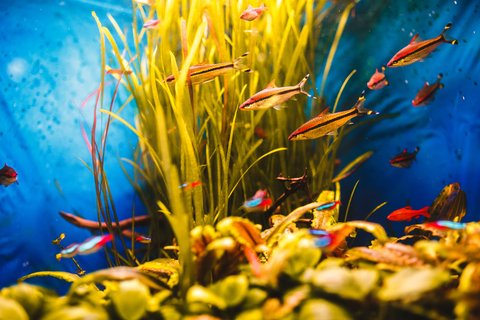
For fish, the main threat in a power cut is the loss of the filter, aeration and heating. Tropical fish get cold without heating, and without aeration oxygen levels in the water fall. Battery-powered air pumps, spare batteries and insulating the tank with blankets all help. Don't feed your fish during a power cut, as leftover food fouls the water, and fish cope easily with several days without food.
Reptiles and amphibians
Reptiles need an external heat source, and without electricity the temperature in a vivarium falls quickly. In a power cut, hot water bottles, insulated bags and chemical heat packs are useful. These can go under the substrate, with no direct contact with the animal. You can insulate the vivarium with a blanket. If the power cut drags on, it helps to have an arrangement in advance with friends or a pet shop who have power.
Rabbits and rodents
Rabbits, guinea pigs and other small pets need constant access to hay and water. Keep several days' stock of hay and pellets. These animals cope badly with heat: if a power cut comes during hot weather and the fan isn't working, keep the cage in the coolest room and use cooling tiles or frozen water bottles wrapped in cloth.
How to keep pets warm without electricity
If the heating goes off in winter, gather your animals in one room, close doors and windows and put blankets on the floor. Give dogs and cats warm beds and blankets, and cover rodent and bird cages with thick cloth, leaving room for air. Don't use open flames or gas burners indoors, as carbon monoxide is dangerous for people and animals alike. Older, small and short-haired pets may need a coat.
Older and sick animals
Crises are hardest on older and chronically ill animals. Routine, warmth, regular medication and calm matter more for them. Talk to your vet in advance about what to do if a medicine runs out or you can't get to the practice, and keep a written treatment plan, which will help any vet understand the situation quickly.
Make arrangements with your neighbours
Think about who would look after your animals if you couldn't get home because of bad weather, an accident or illness. Make an arrangement with neighbours or friends, and leave them keys, feeding instructions and your vet's contact details. Some owners put a sign on the door saying there are animals in the house, which helps rescuers.
A first aid kit for your pet
- bandages, sterile wipes and antiseptic for treating wounds;
- a thermometer and disposable gloves;
- your pet's regular medicines, with extra supply;
- tweezers and a tick remover;
- your vet's and the out-of-hours vet's numbers on paper.
How to store supplies
- Check expiry dates and refresh your stock every few months.
- Keep food in tightly closed containers somewhere dry and cool.
- Label containers with which animal and which food.
- Keep your pet's first aid kit next to the family one.
If you have to leave
If you have to leave home, take your pet with you, as animals left behind may die. Find out in advance whether temporary shelters, hotels and relatives accept animals. Your pet should be microchipped and your contact details on the microchip database kept up to date, as pets often get lost in the confusion.
Stress in animals during a crisis
Power cuts, generator noise, sirens, unfamiliar darkness and owners' anxiety all affect animals. Dogs may whine and be unable to settle, cats may hide and refuse food, and birds may scream loudly or go silent. Try to keep to the usual feeding and walking routine, speak calmly to your pets and give them a place to hide. If you know your pet is very fearful, talk to your vet in advance about how to help.
What this means for Europe
In recent years the authorities in many European countries have updated their advice on household emergency supplies. In the UK, the government's Prepare website advises households to keep an emergency kit. The example of Copenhagen Zoo shows that animals need planning too: those responsible for them should think about food, water, warmth and medicines in advance. A small supply for your pet costs almost nothing, but in a difficult situation it could save its life. You can start simply: next time you buy pet food, get one extra pack and keep it with bottles of water and copies of documents.
When to see a vet
If your pet overheats or gets too cold during a power cut or other emergency, becomes lethargic, refuses food or misses an important medicine, contact a vet. Find out the number of your nearest out-of-hours vet in advance and keep it on paper as well as in your phone.
Sources
- DR, 1 November 2026