Contents
- Halloween at Prague Zoo
- What environmental enrichment is
- Why pumpkins suit a zoo
- Meerkats, cheetahs and caracals: who plays with what
- An alpaca café in Islamabad
- Alpacas and heat
- Alpacas in Europe
- Questions about animal cafés
- Can dogs eat pumpkin?
- How much pumpkin a dog can have
- Pumpkin for cats
- Pumpkin for rabbits and rodents
- How to tell if your pet is bored
- How to provide enrichment at home
- Safety around holiday decorations
- What to do with pumpkins after the holiday
- What this means for Europe
- When to see a vet
Halloween at Prague Zoo
On 30 October 2026 the European broadcaster Euronews showed how Prague Zoo was getting ready for Halloween. Keepers placed pumpkins of different shapes, sizes and colours around the enclosures. That day the meerkats hunted for worms hidden inside carved pumpkins. Cheetah and caracal cubs got pumpkins as toys for the first time.
The holiday programme was planned to run for four days, with treats and new play items intended for animals of 14 species during that time.
Euronews; 30 October 2026
What environmental enrichment is
Pumpkins with worms aren't just a holiday show. Specialists call such activities environmental enrichment. Animals in human care don't need to find food or shelter or explore new territory, and without this they get bored. In animals, boredom can lead to stress and repetitive behaviour, such as pacing back and forth.
Enrichment brings natural activities back into an animal's life: searching for food, gnawing, digging, exploring new smells and objects. For meerkats that means hunting for insects, and for young cats it's play that resembles hunting. Good zoos plan such activities all the time, not just on holidays.
Why pumpkins suit a zoo
A pumpkin is a handy enrichment item. It's safe for many species and can be cut, filled with food, rolled and chewed. It's easy to hide insects, meat or fruit inside, depending on who's going to explore it. And after the holiday, pumpkins that decorated the zoo can be put to use as food or toys.
Meerkats, cheetahs and caracals: who plays with what
In the wild, meerkats spend most of the day foraging, digging in the ground for insects, larvae, scorpions and small vertebrates. A pumpkin with worms inside makes them do the same: sniff, dig and chew. For cheetah and caracal cubs, playing with a new object trains hunting skills: they stalk, pounce, roll and bite their "prey". The more varied these activities are, the more active and calm the animals are the rest of the time.
An alpaca café in Islamabad
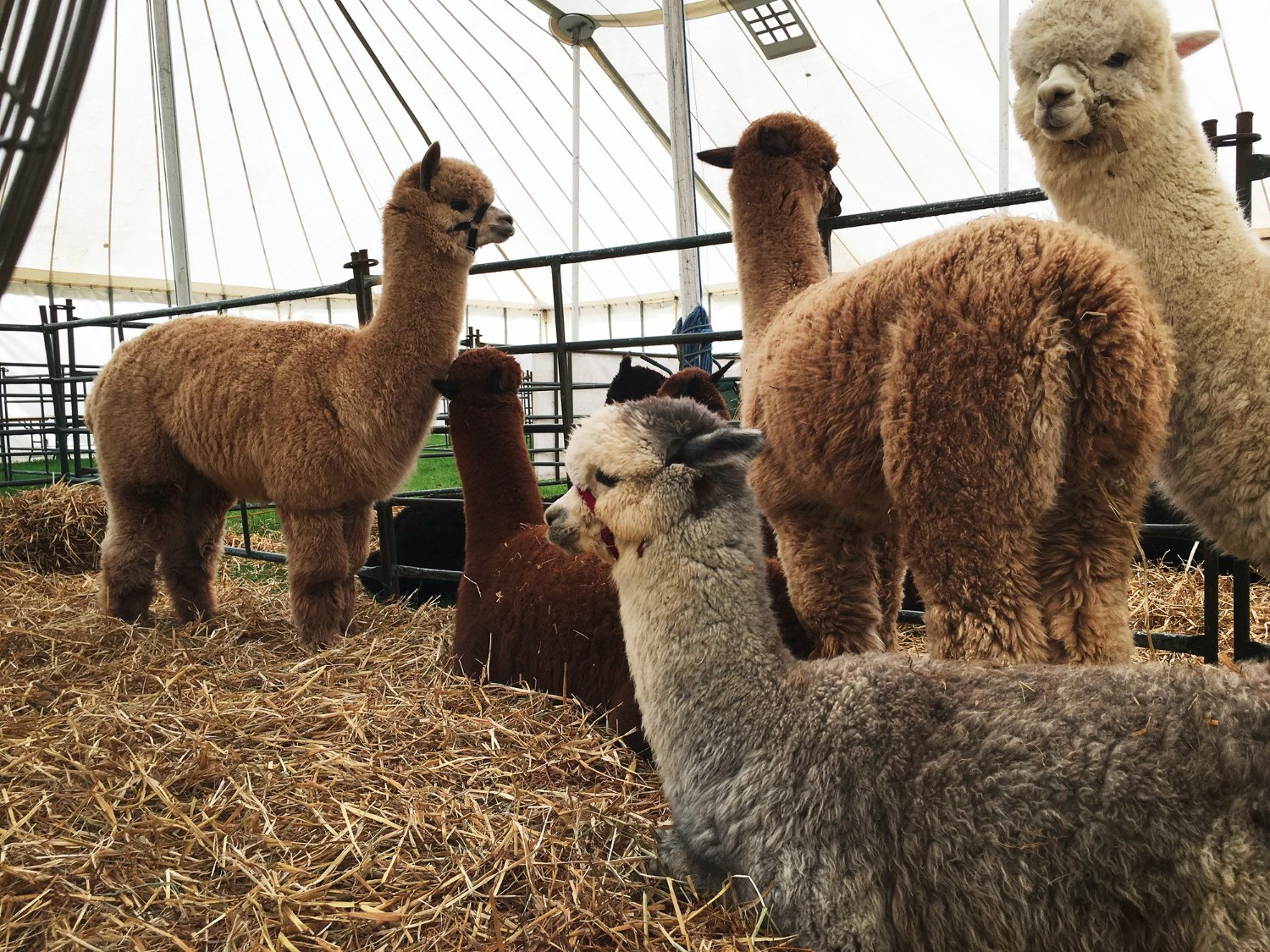
The same day, Euronews reported on a new attraction at Multi Zoo near Islamabad. It's called "Coffee with Alpaca": visitors sit at café tables while alpacas wander nearby, sometimes stretching their necks over the fence. Guests can pet and feed the animals.
The zoo has ten imported alpacas. According to the management, it's the only such herd in Pakistan. The alpacas share their enclosure with llamas.
Alpacas and heat
Alpacas come from the cool highlands of the Andes in South America, and summer in Islamabad is very hot. According to the zoo's general manager, Muhammad Younas, the animals arrived in summer, and staff had to install air coolers around the enclosure. Heat is a serious risk for alpacas, as their thick fleece makes it hard to cool down. So in warm climates they must be shorn and given shade, water and cool shelter.
Alpacas in Europe
Alpacas are increasingly kept in Europe too, on farms, at petting zoos and for walks with tourists. They're herd animals, so one alpaca shouldn't be kept alone: at least two or three are needed. They're shorn once a year, and their toenails are trimmed regularly, their teeth checked and parasites treated. An alpaca isn't a pet for a flat: it needs pasture, shelter and a vet who works with these animals.
Questions about animal cafés
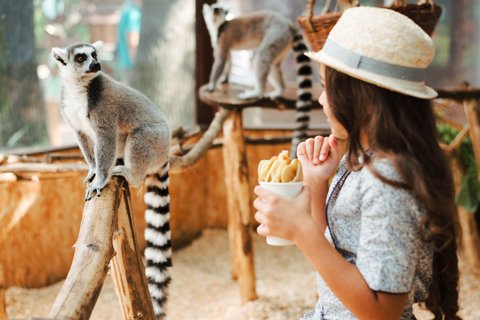
Cafés with cats, owls, hedgehogs, raccoons and alpacas have become popular in many countries. But animal welfare groups and vets often have questions about them. Animals need somewhere to rest away from people. Constant touching, noise and treats from visitors can cause stress and digestive upsets. Some infections also pass more easily through close contact between people and animals, so hygiene and veterinary oversight matter.
A good café limits the number of visitors and contact time, lets the animals move away, watches their diet and has them seen regularly by a vet. If animals in a café look tired, are hiding or are clearly being forced into contact, it's best not to go.
Can dogs eat pumpkin?
Plain pumpkin with nothing added is fine for dogs in small amounts. It's high in fibre and low in calories, so it's sometimes added to food for mild digestive problems, but only after talking to your vet. It's best to give cooked or baked flesh with no salt, sugar, oil or spices.
Don't give your dog pumpkin pie, pumpkin-flavoured sweets, spiced baking mixes, pumpkin that has had a candle burning in it or mouldy pumpkin. Seeds and skin are hard to digest and can cause upsets or an intestinal blockage, especially in small dogs.
How much pumpkin a dog can have
It's best to discuss the exact amount with your vet, especially if your dog has digestive disease or diabetes. Usually you start with a very small amount, about a teaspoon for a small dog and a tablespoon for a large one, and see how your dog tolerates it. Pumpkin shouldn't replace food: it's an addition. If it causes diarrhoea, wind or vomiting, it's better to stop.
Pumpkin for cats
Cats are carnivores and don't need plant food. A small amount of plain cooked pumpkin is sometimes used as a source of fibre, for example in cats prone to constipation, but only on your vet's advice. Most cats aren't interested in pumpkin, and there's no need to force them.
Pumpkin for rabbits and rodents
Rabbits, guinea pigs and other small pets can have a piece of raw pumpkin as a treat, but not as the basis of their diet. Their diet is based on hay, and sweet vegetables and fruit are given in small amounts to avoid upsetting the gut. Introduce pumpkin gradually and watch your pet's droppings. Don't give carved holiday pumpkins that have stood for several days in the warm, as mould and bacteria multiply quickly in them.
How to tell if your pet is bored
Boredom isn't just a problem for zoo animals. A dog that chews furniture, barks endlessly or digs, a cat that wakes its owners at night and knocks things off the table, and a rabbit gnawing the bars of its cage may all be short of things to do. Before putting this down to character, have your vet rule out illness, then add more exercise, games and challenges to your pet's life.
How to provide enrichment at home
Pets also benefit from activities similar to zoo games:
- Puzzle feeders: your dog or cat gets food by solving a task.
- Snuffle mats: dry food is hidden in them, and your dog finds it by nose.
- Cardboard boxes and tunnels: cats and rabbits love to hide and explore.
- Treat hunts: hide pieces of food around a room or in the garden.
- New smells and objects: safe toys, and fruit tree branches for rodents.
Safety around holiday decorations
If you have carved pumpkins with candles at home, keep them out of your pets' reach, as a cat could knock over a candle and a dog could burn its nose. Electric candles are safer, but their batteries are dangerous if swallowed. It's best to throw away decorative pumpkins and corn after the holiday rather than give them to pets if they've stood for a long time in the warm.
What to do with pumpkins after the holiday
Holiday pumpkins are best sent to the compost or a food waste bin after Halloween. Don't take them to woods or parks to "feed the animals": rotting pumpkins can harm wild animals and attract wild boar to places where people and dogs walk. In areas with African swine fever, feeding wild boar is particularly undesirable. Hedgehogs don't need pumpkin either: leaf piles to overwinter in are far more useful to them.
What this means for Europe
In the EU, zoos must provide conditions that meet animals' biological needs, and enrichment is part of these requirements. Holiday programmes like Prague's attract visitors, but what matters most is the benefit to the animals. Animal cafés also exist in Europe, and they're regulated differently from country to country. When choosing such a place, look at how the animals live there rather than just at pretty photos.
When to see a vet
If your dog or cat has eaten a lot of pumpkin, seeds, skin, pumpkin pie or a piece of holiday pumpkin with a candle in it and develops vomiting, diarrhoea, a bloated belly or lethargy, see a vet. A rabbit or guinea pig needs urgent veterinary care if it stops eating or passes no droppings for several hours, as this is dangerous for them.
Sources
- Euronews, 30 October 2026
- Euronews, 30 October 2026