Contents
- What happened
- What was found on farms
- Who prescribed the antibiotics
- What the authority said
- Why the report only came out now
- What the negotiations are about
- Why piglets are given antibiotics
- What EU rules say
- Why it is dangerous
- How it affects people
- Why Denmark of all places
- What about cattle
- What the authority will change
- How to manage without unnecessary antibiotics
- What routine and preventive mean
- Why on-farm inspections matter
- Why colostrum matters
- What other countries do
- What it means for consumers
- What it means for vets
- What farmers can do
- Does this concern dog and cat owners
- What this means for Europe
- When to see a vet
What happened
Denmark's Veterinary and Food Administration, Fødevarestyrelsen, has published a report on targeted inspections of antibiotic use in livestock. In 2024 inspectors checked 50 pig farms and 20 vets who work with pigs. The findings make uncomfortable reading for the industry: breaches of the medicine rules were found on almost half of the farms, and more than half of the vets were sanctioned.
The report's title says as much: inspections reveal widespread breaches of the rules on antibiotic use in pig herds, while compliance is better in cattle.
Fødevarestyrelsen; November 2026
What was found on farms
According to the authority, one in three farmers (34%) did not follow their vet's instructions on medicine use. More than one in five (22%) were warned that antibiotics must not be used routinely, that is on a schedule rather than for illness. The most worrying figure concerns piglets: in almost half of the herds, more than 95% of piglets were given antibiotics in their first week of life.
Who prescribed the antibiotics
Most of these courses were prescribed by vets. So the inspectors also checked the vets themselves and, according to the authority, found serious problems. Sanctions were imposed on 55% of the 20 vets inspected. About a third of the sanctions related to unlawful preventive prescribing, and another third to routine prescribing.
What the authority said
Christian Strøyer, a head of department at the authority, said it was worrying that almost all piglets in nearly half of the herds inspected had been treated with antibiotics so early in life. He described such early treatment as an unfortunate trend that farmers and vets are responsible for changing, partly by improving management of the youngest animals.
Why the report only came out now
The Danish trade magazine Maskinbladet drew attention to the dates. The report was finished on 29 April 2026 but was not published until 2 November. That happened in the middle of negotiations between the government, farmers and animal welfare groups on the future of pig farming in Denmark. The authority did not explain why publication was delayed by six months.
What the negotiations are about
Since September 2026 Denmark has been negotiating the future of its pig sector. Prime Minister Mette Frederiksen's government has imposed a moratorium on building new pig units until the parties agree new rules. Animal welfare, environmental pressures and the economics of the sector are all on the table. The antibiotics report has become another argument in these disputes.
Why piglets are given antibiotics
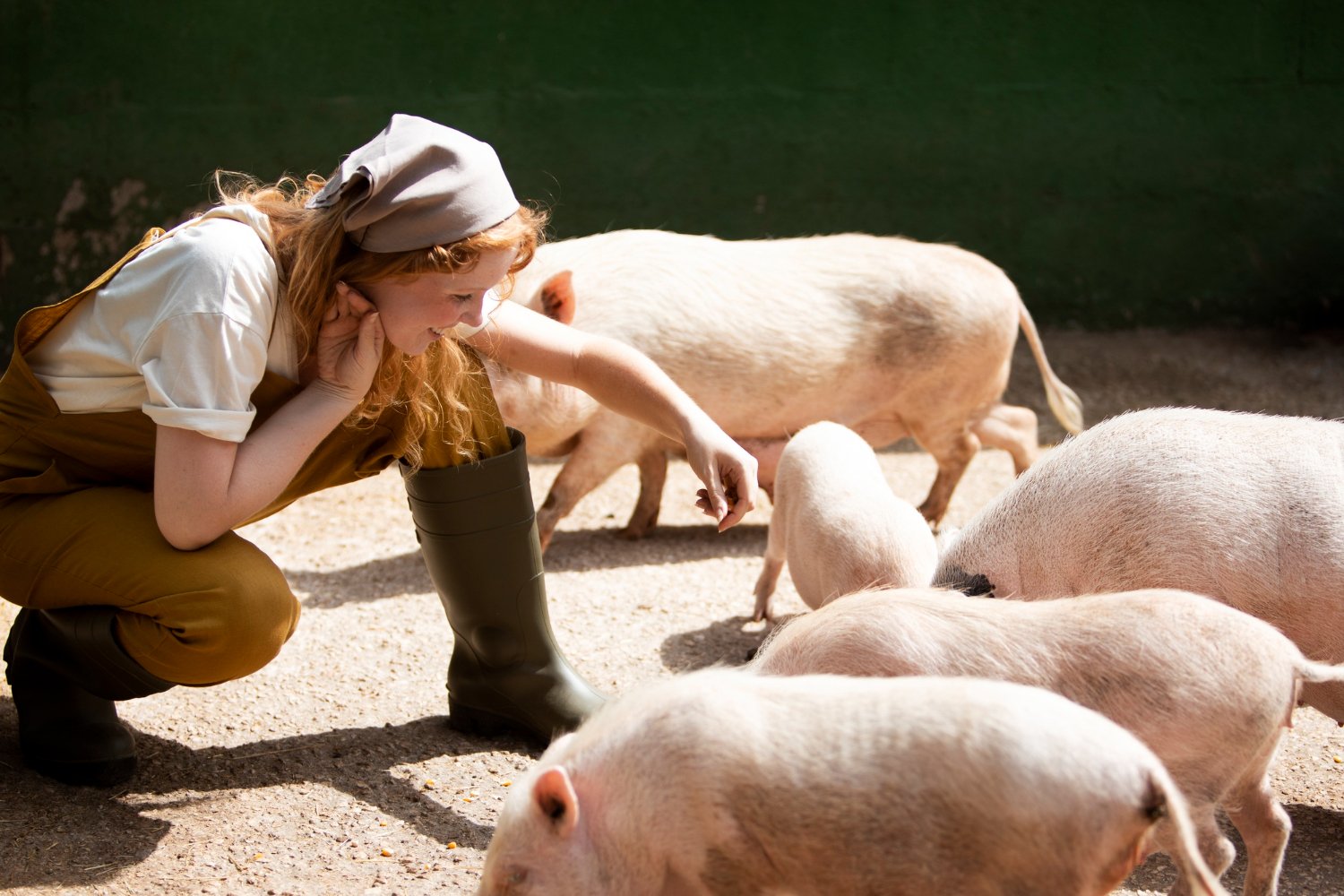
Newborn piglets are vulnerable to gut infections, joint infections and other diseases. In the cramped conditions of large farms, disease spreads quickly from one piglet to the next. So some farms and vets prefer to give antibiotics to all piglets at once rather than wait for any to fall ill. It is exactly this approach that EU rules now ban.
What EU rules say
Since 28 January 2022 the EU has applied its regulation on veterinary medicinal products. It bans routine use of antibiotics and their use to compensate for poor husbandry. Antibiotics may be given preventively, that is to healthy animals, only in exceptional cases, to individual animals or small groups at high risk of infection. Great Britain has adopted similar restrictions in its own veterinary medicines rules.
Why it is dangerous
The more often antibiotics are used, the faster bacteria become resistant to them. Resistant bacteria from farms can reach people through meat, the environment and direct contact with animals. The World Health Organization counts antimicrobial resistance among the greatest threats to human health. That is why limiting antibiotics in livestock is not just a veterinary issue.
How it affects people
In Denmark and elsewhere, workers on pig farms often carry livestock-associated resistant Staphylococcus aureus. For healthy people it is usually harmless, but in hospital it can cause hard-to-treat infections. Every unnecessary use of antibiotics on a farm raises the risk that such bacteria emerge and spread.
Why Denmark of all places
Denmark is one of Europe's biggest pork exporters and was long seen as a model of strict antibiotic control. The country has a monitoring system, and farms with high medicine use receive a so-called yellow card with mandatory measures. That makes the inspection results all the more surprising.
What about cattle
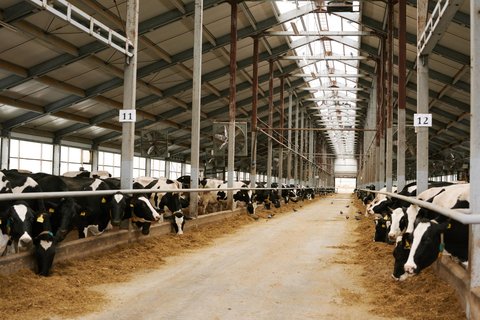
According to the authority, the rules on medicine use are followed much better on cattle farms than on pig farms. That is partly because cattle are kept in smaller groups and husbandry and vets' habits differ. But inspections will continue there too.
What the authority will change
Following these inspections, Fødevarestyrelsen is tightening its oversight. Farms and vets found to be in breach received orders, warnings or fines. The authority promises further targeted inspections with particular attention to the treatment of the youngest animals. Breaches in vets' prescribing will become a separate focus of inspections.
How to manage without unnecessary antibiotics
Vets and researchers point to several ways of reducing piglets' need for antibiotics: better farrowing conditions, warmth and dry bedding, enough colostrum, vaccinating sows, strict hygiene and avoiding weaning too early. These measures cost money but pay off over time in healthier animals.
What routine and preventive mean
Routine use means an antibiotic is given on a schedule, for example to all piglets on a certain day of life, whether or not they are ill. Preventive use means giving a medicine to healthy animals so that they do not fall ill. Metaphylaxis means some animals in a group are already ill and the whole group is treated to stop the infection. EU rules allow it only after a vet's diagnosis.
Why on-farm inspections matter
Sales figures show how many antibiotics were bought but not how they are used. Inspectors on the farm see treatment records, compare them with vets' prescriptions and check whether the animals were really ill. That is why spot checks uncover problems that are invisible in the overall figures.
Why colostrum matters
Colostrum, the sow's first milk, gives piglets antibodies that protect them in their first weeks of life. A piglet that gets too little colostrum falls ill more often. In large litters weaker piglets often lose out to stronger ones, so vets advise making sure each one gets its share in the first hours of life.
What other countries do
The Netherlands, Germany and other EU countries also have systems for recording antibiotic use on farms and comparing farms with one another, and in the UK the industry monitors pig antibiotic use through its own database. Many countries have cut antibiotic use in animals significantly over the past decade. Denmark's experience shows that even with good statistics, on-farm checks can reveal hidden problems.
What it means for consumers
Pork on sale in the EU and the UK must not contain antibiotic residues: after treatment there is a withdrawal period before slaughter, and meat is tested. The issue is not residues but resistant bacteria. So cook meat thoroughly and keep your kitchen hygienic, especially when handling raw meat.
What it means for vets
For vets the report is a serious warning. Professional bodies across Europe have long urged that antibiotics be prescribed only after examination and diagnosis, and that prevention be built on husbandry and vaccination. A vet is responsible not only for the health of one herd but also for keeping antibiotics effective for people and animals.
What farmers can do
- Agree a herd health plan with your vet without routine antibiotics.
- Improve farrowing conditions: warmth, dryness and hygiene.
- Vaccinate sows so piglets get protection through colostrum.
- Record every course of treatment accurately.
- Follow your vet's instructions on dose and duration.
Does this concern dog and cat owners
Yes, the rules on responsible antibiotic use apply to pets too. Do not give your pet antibiotics without a vet's prescription, do not stop a course early and do not use leftover medicine from a previous illness. Resistant bacteria can also pass between people and the pets that share their home.
What this means for Europe
The Danish case shows that even in countries with good monitoring, EU rules banning routine antibiotic use are not followed everywhere. For Germany, the Netherlands, France and other countries it is a reason to inspect farms on the ground, and for farmers to protect piglets through husbandry and vaccines rather than tablets for all.
When to see a vet
Call your vet if piglets have diarrhoea, are lame, have swollen joints, are coughing or are not suckling well. The vet should examine the animals and take samples if needed before prescribing antibiotics. Dog and cat owners, too, should not give antibiotics on their own initiative and should see a vet at the first signs of illness.
Sources
- agrarheute (citing Fødevarestyrelsen and Maskinbladet), 6 November 2026