Contents
- What happened
- What the cameras must film
- How long footage is kept
- Which abattoirs are affected
- Why the industry itself wanted cameras
- What the union says
- Why the opposition is critical
- What animal welfare groups and vets say
- The governing coalition's position
- Why short journeys matter
- What goes wrong with stunning
- How cameras help official vets
- What has changed with labelling
- The five husbandry levels
- Why labelling keeps being delayed
- What MPs said
- Where organisations stand
- What it means for shoppers
- What changes for animals
- How it links to other reforms
- What shoppers can do
- How other countries compare
- What this means for Europe
- When to see a vet
What happened
On 5 November 2026 the German Bundestag passed amendments to the country's Animal Welfare Act. The main change is compulsory CCTV in large slaughterhouses. Cameras must cover every area where there are live animals: unloading, lairage, races, stunning and slaughter. Federal agriculture minister Alois Rainer says this will make abattoirs more transparent and protect animals better.
On the same day the Bundestag took another decision: mandatory state labelling of meat according to how the animals were kept has been postponed again. The label will only become compulsory from 1 October 2027.
tagesschau and n-tv; 5 November 2026
What the cameras must film
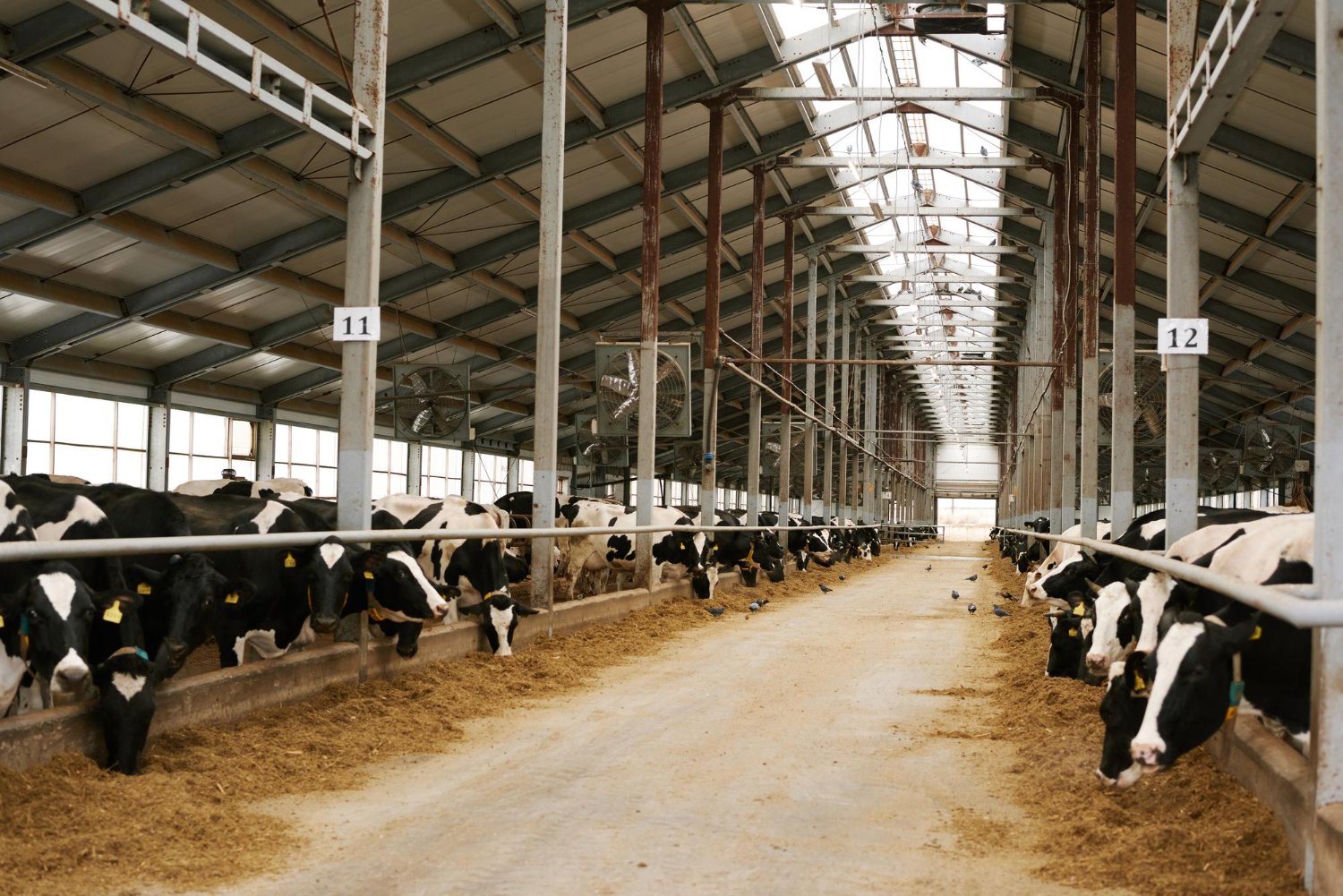
Under the new law, cameras must cover every part of a slaughterhouse where animals are still alive. That means the places where animals are unloaded from lorries, holding pens, races and the points of restraint, stunning and slaughter. These are exactly where breaches most often happen: rough handling, beating and faulty stunning. The footage is meant to help official vets uncover such cases.
How long footage is kept
Video footage must be kept for 30 slaughter days, that is 30 working days of the abattoir. If the veterinary authorities ask for it, the abattoir must hand it over. The footage is not streamed online and is not public: it may be viewed by official vets and inspectors and by the abattoir itself for internal checks.
Which abattoirs are affected
The requirement applies only to large slaughterhouses. Plants that slaughter fewer than 1,000 livestock units a year are exempt. That is roughly 1,000 cattle, 5,000 pigs or 150,000 chickens a year. Most small local abattoirs and butchers who slaughter on site fall under the exemption. The country's biggest meat plants, however, will have to install cameras.
Why the industry itself wanted cameras
Interestingly, it was the meat industry itself that pushed for CCTV. The German meat industry association, whose members include the biggest companies such as Tönnies, Vion and Westfleisch, had long called for compulsory cameras. After scandals over cruelty in slaughterhouses, the industry wants to show consumers that breaches do not go unpunished.
What the union says
The food workers' union NGG is critical of the law. It fears cameras will be used to monitor staff, not just to protect animals. The law states that footage is for checking how animals are treated, but the union is demanding clear safeguards for workers.
Why the opposition is critical
Left Party MP Ina Latendorf and Green politicians say the law does not go far enough. Critics point out that small abattoirs are exempt even though breaches happen there too. They also want veterinary authorities to be able to view footage regularly and without notice, not only on request.
What animal welfare groups and vets say
Animal welfare organisations and vets broadly welcome cameras but call the law half-hearted. They want CCTV in all slaughterhouses regardless of size, and systematic review of the footage. In their view, cameras are only useful if someone actually watches the footage and acts on breaches.
The governing coalition's position
CDU MP Anna Aeikens defended the law, saying it balances animal protection with a reasonable burden on businesses. The governing coalition argues that requiring cameras in small abattoirs would be too costly and could force them to close, which would mean longer journeys for animals to large plants.
Why short journeys matter
Every extra journey means stress for animals. If small local abattoirs close, animals have to be transported further to large plants. So many animal welfare campaigners, while calling for oversight in all abattoirs, also back keeping small slaughterhouses open and mobile slaughter on the farm itself.
What goes wrong with stunning
One of the biggest problems in slaughterhouses is faulty stunning. If an animal is not fully unconscious, it may feel pain during slaughter. CO2 stunning of pigs is particularly controversial, and welfare groups consider it cruel. Cameras will show how stunning is carried out, but the law does not change the method itself.
How cameras help official vets
In a large slaughterhouse the official vet cannot watch every area with animals at the same time. Footage makes it possible to check how animals were handled during unloading at night or early in the morning, when no inspectors were present. If a complaint comes in, the vet can view the footage from that day and establish what really happened.
What has changed with labelling
The law on state husbandry labelling was passed several years ago. It requires fresh pork in shops to carry one of five labels, from "Stall" (indoor housing) to "Bio" (organic). The start date has already been put back three times: first from 1 August 2025 to 1 March 2026, then to 1 January 2027 and now to 1 October 2027.
The five husbandry levels
The state label has five levels. The first is standard indoor housing meeting the legal minimum. Then come indoor housing with more space, open-air housing, housing with outdoor access or pasture, and finally organic. Shoppers should be able to see at a glance how the pig was kept.
Why labelling keeps being delayed
According to n-tv, one reason is disagreement over whether the label should also cover imported meat and restaurants. The European Commission has raised objections to including imports. The industry also complains about complexity and cost. The government wants to revise the law before the label becomes mandatory.
What MPs said
SPD MP Jens Behrens said the delay was needed to make the label better and clearer. Christina Stumpp of the CDU/CSU said the label had to work in practice for farmers and businesses. The opposition says the government is simply playing for time.
Where organisations stand
The animal welfare charity Four Paws regretted the latest delay, saying consumers have long been waiting for honest labelling. The German Farmers' Association, by contrast, would prefer to scrap the law altogether and replace it with voluntary industry labels. Many retail chains already use their own four-level label.
What it means for shoppers
Until the state label applies, shoppers in Germany can use the retailers' voluntary "Haltungsform" label, with levels from 1 to 4 or 5. The higher the level, the more space and the better the conditions the animals had. The organic label still stands for the strictest welfare requirements. In the UK, schemes such as RSPCA Assured and outdoor-bred or free-range labels serve a similar purpose.
What changes for animals
Cameras in slaughterhouses are an important step but do not solve every problem. Housing on farms, long journeys and stunning methods remain contentious. Animal welfare groups believe real change will come only when shoppers can see husbandry conditions on the packaging and choose accordingly.
How it links to other reforms
The amendments to the Animal Welfare Act are part of a wider reform. The government is also discussing rules on keeping pigs, animal transport and online pet sales. Many changes are still to come, and the arguments between farmers, industry and welfare campaigners continue.
What shoppers can do
- Look for husbandry labels on meat packaging.
- Choose higher-welfare levels if animal welfare matters to you.
- Buy from local farmers who use small abattoirs.
- Eat meat less often, but choose better quality.
- Ask where the meat comes from in restaurants and canteens.
How other countries compare
In several European countries CCTV in slaughterhouses is already mandatory or widespread. In England it has been compulsory in all areas with live animals since 2018, and it is also common in the Netherlands. Experience shows that CCTV helps uncover breaches, especially when official vets review the footage regularly. Germany is now joining these countries, albeit with exemptions for small plants.
What this means for Europe
The Bundestag's decision sends a signal across Europe: cameras in slaughterhouses are becoming the norm, and the debate in the EU is growing louder. Husbandry labelling is also under discussion at EU level. Shoppers in Germany, Austria, France, the UK and elsewhere should already be paying attention to how meat is labelled.
When to see a vet
If you keep pigs, goats, sheep or cattle and plan to take them to an abattoir, ask your vet for advice on preparing them for transport. Animals that are injured, lame, severely underweight or in late pregnancy must not be transported. Your vet can help you decide whether an animal is fit to travel and advise on how to reduce stress on the journey.
Sources
- tagesschau, 5 November 2026
- n-tv, 5 November 2026