Contents
- What happened
- How the virus was found in Indiana
- What was found in Washington
- Why it matters
- Where the virus in cattle came from
- How many herds in Washington
- Death in Yakima County
- How cows are affected
- Is milk safe
- Why raw milk and raw food are dangerous for cats
- How the disease shows in cats
- Is the virus dangerous to people
- How farm workers protect themselves
- What the authorities are doing
- A vaccine for cows
- What changes for farmers
- Why the virus is so hard to stop
- What about poultry in the US
- How to protect your pet cat
- If you keep goats or cows
- How it could affect trade
- Why it matters for Europe
- What this means for Europe
- When to see a vet
What happened
On 5 November 2026 the authorities in Indiana confirmed the state's first case of H5N1 bird flu in a dairy herd. The virus was found through the National Milk Testing Strategy, not because a farmer reported sick animals but during routine sampling. Sequencing showed the B3.13 strain, the same one that has been spreading on US dairy farms since spring 2024.
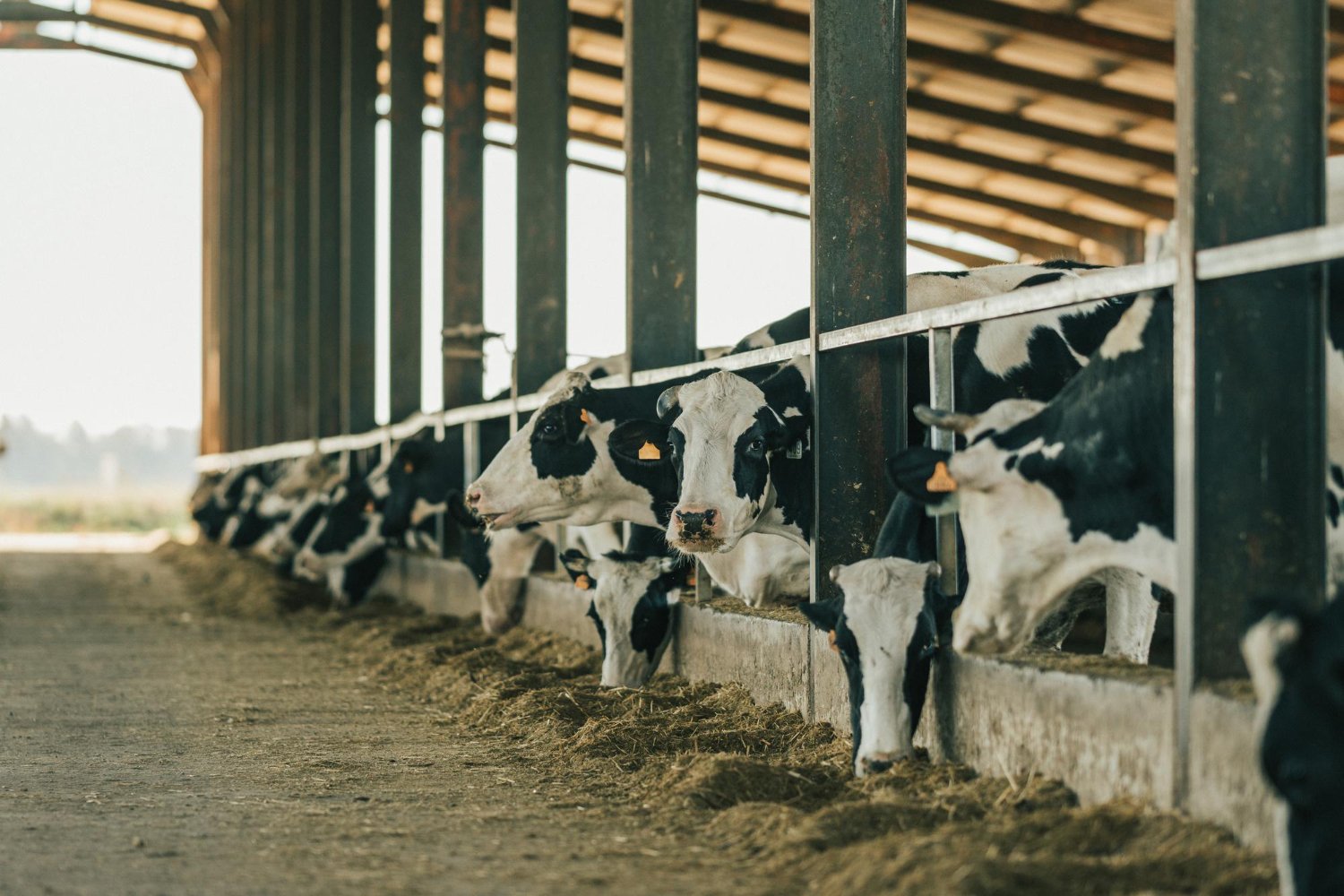
Since March 2024 the virus has been found in dairy herds in 21 states. Every new herd means quarantine, restrictions on moving cows and extra checks on neighbouring farms.
APHIS and state authorities; November 2026
How the virus was found in Indiana
The national milk testing programme has been running since late 2024. Samples are taken from milk tankers and processing plants, and if a result is positive individual farms are tested. This finds infected herds even when the cows hardly seem ill. In Indiana it worked: the herd was detected before the virus had time to spread to neighbouring farms.
What was found in Washington
On 4 November the Animal and Plant Health Inspection Service (APHIS) published the results of whole-genome sequencing of virus from herds in Washington state. The sequences match viruses from Idaho, which is consistent with the infection having been brought in with cows moved between states. Two Washington herds tested positive on 8 October even though their milk had previously tested negative.
Why it matters
The APHIS finding shows once again that the main route by which H5N1 spreads between farms is cattle movement, equipment and people, not wild birds. That means the virus can be stopped by strict testing before cattle are moved and by good farm biosecurity. The authorities are reminding farmers that cows must be tested before being moved between states.
Where the virus in cattle came from
According to APHIS, the B3.13 strain first jumped from birds to cows in late 2023 in the Texas Panhandle. After that it was spread from farm to farm. Scientists have also identified several separate cases in which cows caught a different strain, D1.1, directly from birds, in Nevada, Arizona and Wisconsin.
How many herds in Washington
According to local media, the virus has been found in around 40 dairy herds in Washington state this autumn. For a state that previously had almost no cases in cattle, that is a serious outbreak. Farmers are complaining about lost milk and restrictions on selling cattle.
Death in Yakima County
The Washington outbreak drew particular attention after a person in Yakima County died having caught bird flu from contact with sick cows. It is the third human H5N1 case in the county. State authorities are testing farm workers and people who had contact with the patients, but little has been published about how many workers have been tested.
How cows are affected
In cattle, H5N1 most often causes a drop in milk yield, thick yellowish milk, reduced appetite and lethargy. Some animals run a temperature, and some develop mastitis. Most cows recover within a few weeks, but for the farm it means lost milk and income. Mortality is low, but in badly hit herds some cows have to be culled.
Is milk safe
Yes. Pasteurisation kills the virus, so milk and dairy products from the shops are safe. Milk from sick cows does not go on sale. The danger is raw, unpasteurised milk: the virus survives in it, and people who drink it risk infection.
Why raw milk and raw food are dangerous for cats
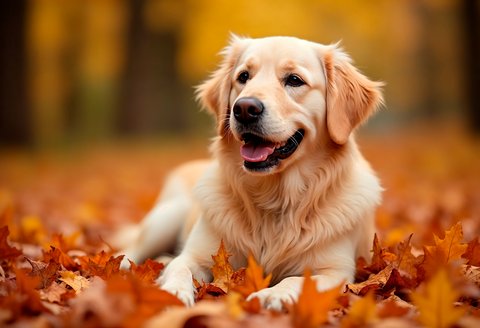
Cats are highly susceptible to H5N1. In 2024 cats died on US dairy farms after drinking raw milk from infected cows. Later, pet cats fed raw poultry-based diets and raw milk fell ill, and several batches of such food were recalled. In cats the virus attacks the brain and lungs and is often fatal.
How the disease shows in cats
Signs of H5N1 in cats appear quickly: high fever, lethargy, refusing food, discharge from the eyes and nose and difficulty breathing. Neurological problems can follow: an unsteady gait, circling, seizures and blindness. If a cat lives on a farm or eats raw food and shows these signs, it needs to see a vet immediately.
Is the virus dangerous to people
For most people the risk is low. In the US, those infected have mainly been farm workers in contact with sick cows or poultry. Most cases were mild, with conjunctivitis and cold-like symptoms. But scientists are watching the virus closely: the more it passes between mammals, the greater the chance of changes that make it easier to infect people.
How farm workers protect themselves
Workers on farms with infected herds are advised to wear goggles, masks, gloves and protective clothing, especially in milking parlours, where splashes of milk can get into the eyes. Anyone with red eyes, a fever or a cough after working with cows should see a doctor and mention that they work on a farm.
What the authorities are doing
State authorities quarantine infected farms, ban moving cows without a test, monitor neighbouring farms and keep testing milk. The federal milk testing programme makes it possible to find new herds quickly. In some states farmers are compensated for lost milk.
A vaccine for cows
H5N1 vaccines for cows are being developed and trialled in the US, but they are not yet used widely. The reason is not only scientific but also commercial: vaccination could complicate exports of dairy products and beef. So protection relies on testing, movement restrictions and biosecurity.
What changes for farmers
For dairy farms the virus means new rules: test cows before moving them, limit visitors, disinfect equipment, separate sick cows, keep wild birds and stray cats off the farm and monitor milk yields. Farmers who notice a drop in yield and changes in the milk should tell their vet straight away.
Why the virus is so hard to stop
In cattle, H5N1 spreads mainly through milk: large amounts of virus are shed in the udder and remain on milking equipment and workers' hands. If a farm buys in new cows or shares machinery with neighbours, the virus moves easily. That is why every new herd needs a careful investigation into where the infection came from.
What about poultry in the US
In autumn the number of bird flu outbreaks on US poultry farms rises again as wild birds migrate south. That adds to the risk for dairy farms near poultry units and water. Vets advise keeping feed and water covered so the virus has no new routes in.
How to protect your pet cat
- Do not give your cat raw milk or raw poultry.
- Choose heat-treated pet food.
- Keep your cat away from farms and dead birds.
- Follow pet food recalls in your country.
- See a vet straight away if your cat suddenly becomes lethargic, feverish or has fits.
If you keep goats or cows
Owners of small farms should be vigilant too. H5N1 has been found not only in dairy cows but also in goats on one US farm. Do not drink raw milk, keep your animals away from wild birds, wash your hands after milking and report any sharp fall in milk yield to your vet.
How it could affect trade
Every newly infected herd makes it harder to export American dairy products and live cattle. Some countries demand extra guarantees or tests. For Europe and the UK it is a reason to keep a close eye on imports of cattle and products from the US and to maintain their own surveillance.
Why it matters for Europe
H5N1 has not been found in cattle in Europe so far, but bird flu is widespread in wild and domestic birds. The European Food Safety Authority has already advised countries to step up surveillance of dairy cattle. In the Netherlands, antibodies to the virus were found in one cow in 2025, showing how important such testing is.
What this means for Europe
The US experience shows that bird flu in cattle spreads quickly with cattle movements and that routine milk testing helps detect it. Farmers in Europe and the UK should keep feed and water away from wild birds, and cat owners should not give their pets raw milk or raw poultry, especially during the bird flu season.
When to see a vet
Take your cat to a vet immediately if it suddenly becomes lethargic, has a fever, stops eating, struggles to breathe, is unsteady or has fits, especially if it has drunk raw milk, eaten raw poultry or caught birds. Farmers should call their vet if milk yields drop sharply, the milk thickens and cows run a temperature.
Sources
- Global Agriculture (Indiana state data), 5 November 2026
- APHIS via My Vet Candy, 5 November 2026