Contents
- What happened
- How the spiders were found
- What tarantulas are
- Why spiders are taken to Europe
- Why socks
- What happens to the spiders now
- How smuggling harms nature
- Why the trade is dangerous for people
- The global damage done by the trade
- Why Peru is cracking down
- What the travellers face
- How the trade is regulated
- Why origin matters
- How to tell a legal spider
- Is a tarantula dangerous to people
- Who a tarantula suits
- How to care for a tarantula
- Does a tarantula need a vet
- Why not to buy illegal animals
- How to report suspicious trade
- What to do if you buy a spider
- What else is smuggled from South America
- Why customs work matters
- What this means for Europe
- When to see a vet
What happened
At Jorge Chávez International Airport in Lima, the capital of Peru, inspectors found more than 3,000 live tarantulas in luggage. The spiders were hidden in dirty socks packed into three suitcases. The luggage belonged to two German nationals and a Polish national who were about to fly to Germany.
According to the Peruvian authorities, the haul would have been worth around €1.5m on the black market. Criminal proceedings have been opened against the travellers.
Guardian report; 6 November 2026
How the spiders were found
Each suitcase held 15 to 22 socks, containing spiders at every stage of life, from eggs to adults. Cora Suárez of SERFOR, Peru's forestry and wildlife service, said inspectors noticed that some of the socks were moving. When the suitcases were opened, the socks turned out to be full of live spiders.
What tarantulas are
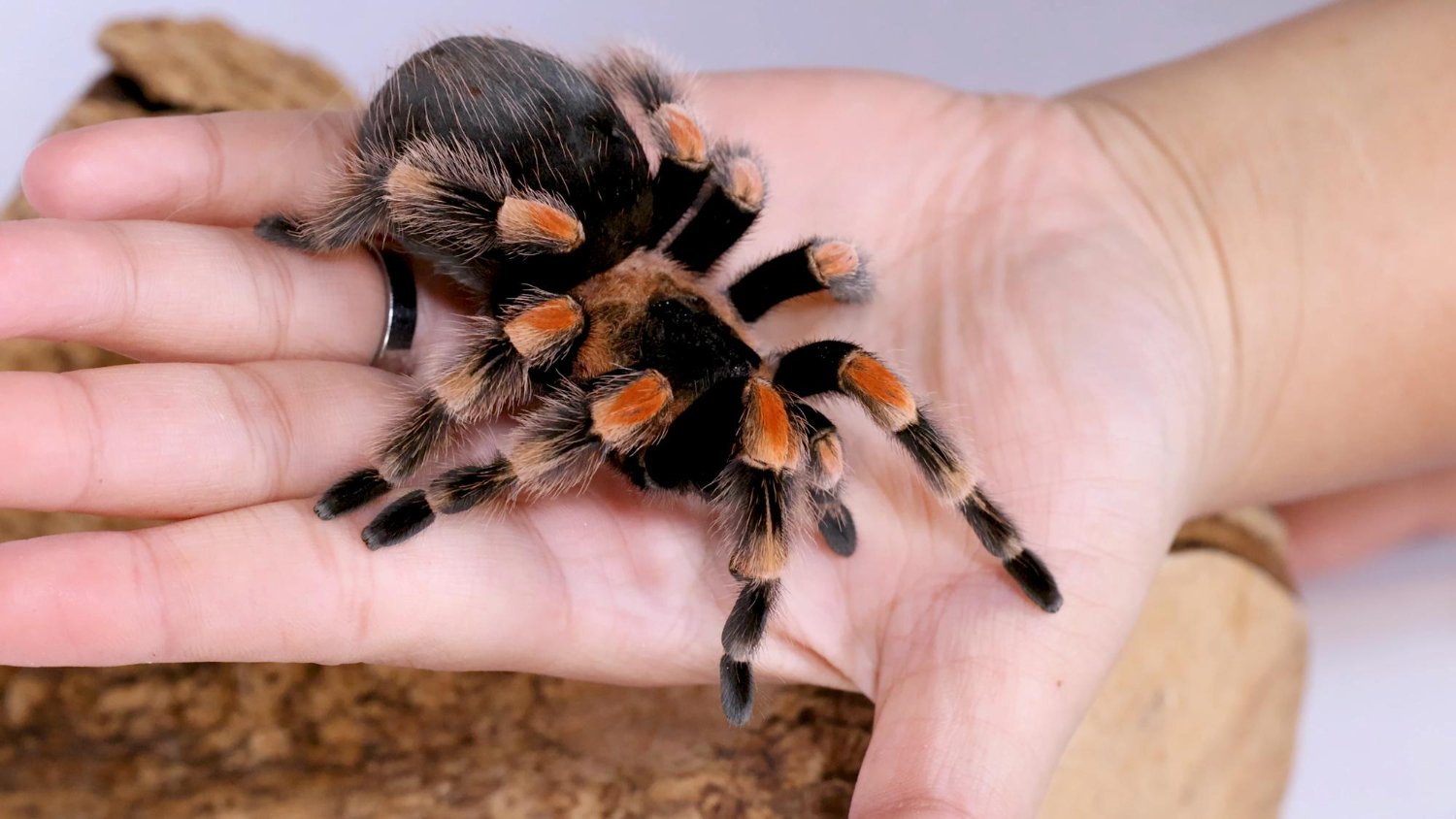
Tarantulas are large, hairy spiders that live in the tropics and subtropics, including South America. Some species grow as big as an adult's palm. Many tarantulas are brightly coloured, and rare, colourful species are particularly sought after by collectors.
Why spiders are taken to Europe
Tarantulas are popular among exotic pet keepers in Europe, especially in Germany, which hosts large reptile and invertebrate fairs. Rare species from Peru, Brazil and Colombia can fetch tens or even hundreds of euros per spider. That is why smugglers try to take them out of the country by the thousand.
Why socks
Smugglers hide spiders in socks, plastic tubes, sweet boxes and even their own clothes. Socks are convenient: the spider cannot escape, it is easy to hide among clothing and it barely shows up on an X-ray. But for the animals such conditions are devastating: they suffer from lack of air, temperature swings and being shaken about.
What happens to the spiders now
Seized animals are handed over to specialists who check their condition. Many spiders die after such a journey or are badly weakened. Survivors are released back into the wild where their origin is known, or passed to scientific institutions and zoos. Returning thousands of spiders to the wild is difficult, because the species and habitat of each one must be known.
How smuggling harms nature
Mass collection of tarantulas damages local ecosystems. Many species live in very small areas, and removing thousands of individuals can put a population at risk. Female tarantulas are long-lived and breed slowly, so populations take years to recover. Rare and recently described species suffer most.
Why the trade is dangerous for people
Illegally imported animals do not go through veterinary or health checks. They can bring parasites, fungi and diseases into Europe that are dangerous to native animals. Illegal wildlife trade is also often linked to organised crime, money laundering and other forms of smuggling.
The global damage done by the trade
According to Interpol, illegal wildlife trade earns criminals around $20bn a year. It is one of the most lucrative illegal businesses in the world, alongside drugs and arms trafficking. It is not only elephants and rhinos that are threatened but also small animals: birds, reptiles, tortoises and spiders.
Why Peru is cracking down
Peru is one of the most biodiverse countries on the planet. It is home to hundreds of species of spiders, frogs, birds and reptiles, many found nowhere else. The Peruvian authorities regularly catch smugglers at airports and borders. SERFOR works with the police and customs to track down such shipments.
What the travellers face
Criminal proceedings have been opened against the three travellers for illegally exporting wildlife. In Peru the offence carries a prison sentence. Had the spiders reached Europe, importing them would also have broken EU law, and both sellers and buyers could have faced fines and seizure of the animals.
How the trade is regulated
In Europe and the UK, trade in many species is regulated under the Convention on International Trade in Endangered Species of Wild Fauna and Flora (CITES). Some tarantula species are listed. Importing them requires permits from both the exporting and the importing country. Without paperwork, the animals are seized at the border.
Why origin matters
Even if a species is not protected under CITES, it cannot simply be caught in the wild and exported. Most South American countries require permits to collect and export wild animals. An animal taken from the wild without a permit is illegal, even if it is sold at a legal fair in Europe.
How to tell a legal spider
Legally bred tarantulas hatch in captivity at a breeder's. A reputable seller can tell you where the spider came from, show documents and explain whether they bred it themselves. If a rare species is offered at a suspiciously low price or in large numbers, be wary.
Is a tarantula dangerous to people
For most tarantulas, a bite is no more dangerous to people than a wasp sting, although it can hurt. But many American species have special urticating hairs on the abdomen, which they flick off when threatened. These cause itching, skin and eye irritation and, in some people, allergies. So tarantulas should be handled with care.
Who a tarantula suits
A tarantula is not for everyone. It is an animal to watch, not to play with: it should not be handled often, as it may be startled, fall and be badly injured. It needs an enclosure with the right temperature, humidity and a hide. Some females live for more than 20 years, so getting one is a long-term commitment.
How to care for a tarantula
Tarantulas need an enclosure of the right size, substrate for burrowing, a hide and a water dish. They are fed live insects such as crickets every few days or less often. Moulting needs careful attention: the spider is especially vulnerable at this time, and feeder insects should be removed from the enclosure. Before buying, research the needs of the particular species.
Does a tarantula need a vet
Yes, although few vets treat spiders. Exotic animal vets can help with injuries, moulting problems, parasites and dehydration. If your spider stops eating for a long time, is lethargic, lies on its back when not moulting or has an injured abdomen, see an exotics vet.
Why not to buy illegal animals
Every purchase of an illegally caught animal supports smuggling. As long as there is demand for wild-caught tarantulas, criminals will try to export them. Buyers can stop this flow by choosing only legally bred animals and reporting suspicious sellers to the authorities.
How to report suspicious trade
If you see animals at a fair, online or in a pet shop that look wild-caught, have no paperwork or are offered in large numbers, report it. In the UK you can contact the police, who work with the National Wildlife Crime Unit, or Border Force for smuggling at the border. Many animal welfare organisations also accept such reports.
What to do if you buy a spider
- Ask for documents showing where the spider came from.
- Check the species and its CITES status.
- Choose breeders rather than sellers of wild-caught animals.
- Set up the enclosure before you buy.
- Find an exotics vet in advance.
What else is smuggled from South America
As well as spiders, smugglers take birds, especially parrots, tortoises, poison dart frogs, lizards and snakes out of South America. Animals are often hidden in bottles, tubes and suitcases with false bottoms. Many die on the way. Customs officers and vets in Europe regularly find such animals in luggage.
Why customs work matters
The seizure in Lima shows how important vigilant airport staff are. The inspectors noticed movement in the socks, and that stopped a large shipment. European and British airports also have CITES specialists who check luggage and cargo, particularly on flights from countries where wildlife is frequently exported.
What this means for Europe
Europe, and Germany in particular, is one of the main markets for exotic animals, including illegally caught ones. Buyers of tarantulas and other exotic pets in Germany, Poland, the Czech Republic, the UK and elsewhere can help stop smuggling by choosing only captive-bred animals with paperwork.
When to see a vet
Take your tarantula to an exotics vet if it stops eating for a long time, is lethargic, has an injured abdomen or legs, has problems moulting or is leaking fluid. If a spider's urticating hairs get into your eyes, rinse them with water immediately and see a doctor.
Sources
- The Guardian, 6 November 2026