Contents
- What happened
- Who Stax is
- The escape
- Why a golf club
- Why staff were worried
- How he was brought back
- What dangers an escaped bird faces
- Why the bird knew his carer
- Birds often escape
- What to do if your bird flies away
- How to catch a bird once you've found it
- How to prevent an escape
- If you find someone else's bird
- Rings and microchips
- Should wings be clipped
- Birds of prey and falconry
- What this means for Europe
- When to see a vet
What happened
On 31 October 2026 the Polish broadcaster TVN24, citing US station KUTV, told the story of a Harris's hawk called Stax. The bird lives at the centre run by HawkWatch International in Salt Lake City, Utah, where he works as an "ambassador" for birds of prey, helping to tell visitors about the lives of raptors.
On 29 June, during routine daily care, Stax broke free and flew off. He was found on the grounds of an exclusive resort with golf courses on the edge of the city, but it took 99 days to bring him back, on 6 October.
TVN24, KUTV; 31 October 2026
Who Stax is
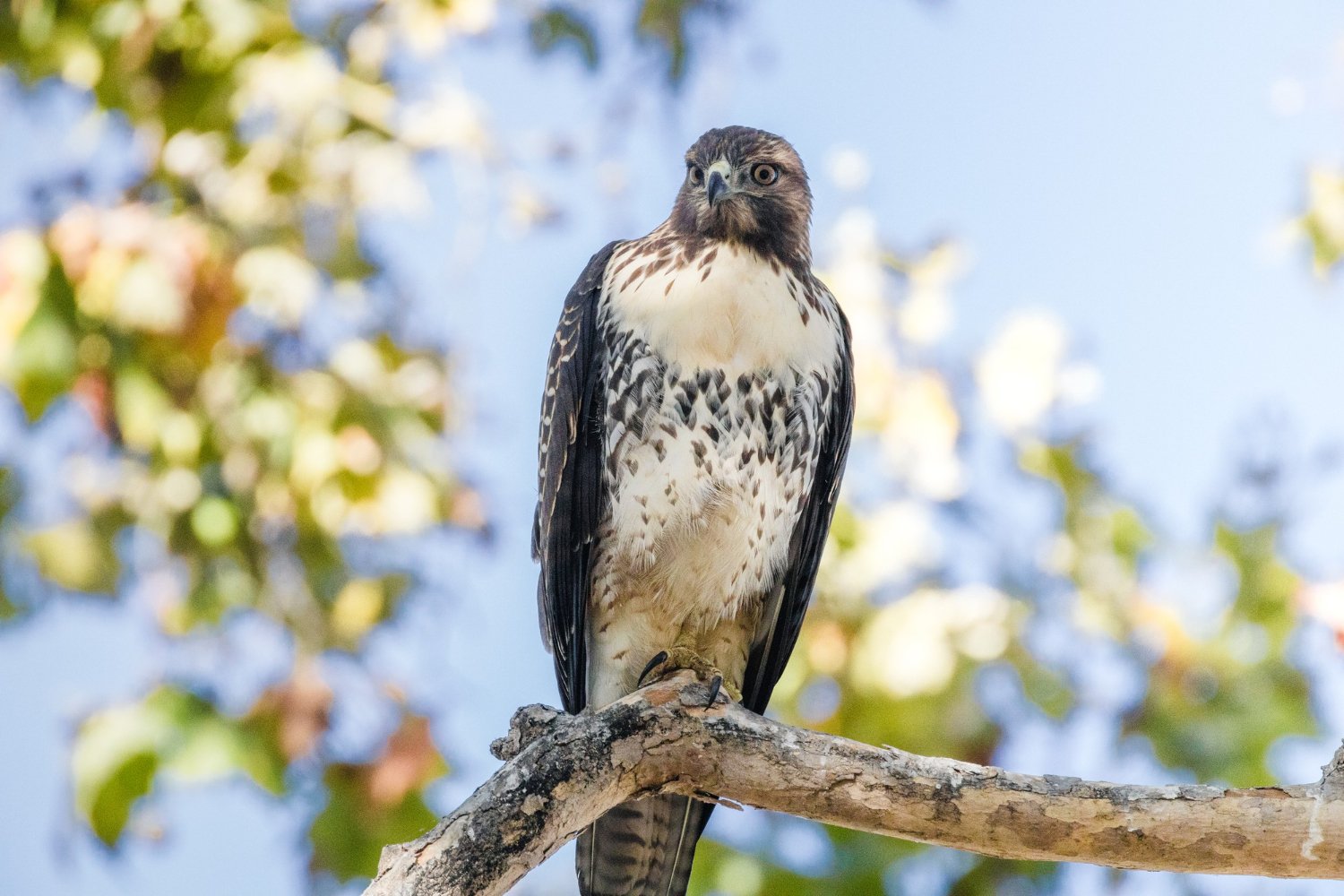
Stax is a Harris's hawk, a medium-sized bird of prey with dark brown plumage, chestnut shoulders and a white base to the tail. He came to the centre with an injury that meant he couldn't return to the wild. He has lived there ever since and takes part in education programmes, giving visitors a close look at a live raptor and teaching them why these birds need protecting.
The escape
According to his carer Renata Vazquez, Stax's disappearance came as a real shock to staff.
It was terrifying. We fed him every day. We didn't know where he'd gone.
Renata Vazquez, carer at HawkWatch International
It turned out the hawk hadn't flown far: he had found a spot on the grounds of an exclusive golf resort.
Why a golf club
No one knows exactly what the hawk was doing on the golf courses. HawkWatch International educator Call Vandeveegaete joked that Stax had come "to look at the golf balls". In fact such places do attract birds of prey: rodents and other small animals are easy to spot on well-kept grass, and there are trees for resting and water close by.
Why staff were worried
Although Stax had found somewhere to live, staff at the centre were very worried. Winter was coming, and Harris's hawks don't breed in Utah: they're birds of warmer, drier areas, from the south-western US to South America.
They don't survive winter as well as other birds. I was also worried about whether he could find enough food.
Renata Vazquez, carer at HawkWatch International
A bird that has lived in captivity for a long time, and with an injury too, may not cope with hunting and cold.
How he was brought back
Call Vandeveegaete set up bait traps and tracking cameras on the resort to follow the bird's movements. This showed where Stax was spending his time, and on 6 October, after 99 days, he was caught.
I went up to him and he stepped straight onto my glove. You can see he hasn't forgotten his bonds with people. It's so good that he's back.
Renata Vazquez, carer at HawkWatch International
What dangers an escaped bird faces
For a bird that has grown up or lived for a long time around people, freedom is full of threats. It can fly into glass, be hit by a car or get caught on wires, or fall prey to bigger predators such as eagle owls. A bird that has always been fed by people doesn't always know how to hunt or find food, and quickly loses weight. It can also pick up parasites and infections from wild birds. So the search shouldn't be put off, even if the bird looks strong and independent.
Why the bird knew his carer
Birds of prey that have been kept in captivity and trained for years get used to their carers, the glove and feeding rituals. The bond is built on trust and food: the bird knows the glove means food and safety. That's why, even after three months on the loose, Stax went straight back to a familiar person. For staff at the centre, this confirmed that their work with the bird had been right. Training pet parrots works in a similar way: a bird used to getting a treat on the hand and responding to its owner's voice is much more likely to come back on its own if it does fly off.
Birds often escape
The birds that fly off most often aren't raptors but pet parrots: budgerigars, cockatiels, African greys and macaws. An open window, a door left ajar, an outing on someone's shoulder, and a bird panics and flies away. Many parrots have trouble finding their way in unfamiliar places, can't find food and water, fall prey to predators or die of cold. The chances of getting a bird back are highest in the first hours and days.
What to do if your bird flies away
- Go outside straight away and try to see where it went: a bird usually lands nearby.
- Call in a familiar voice, and use a favourite treat, the sound of a food container or a recording of other birds.
- Put the cage out with food and water on a balcony, windowsill or in the garden.
- Tell your neighbours and post a notice with a photo in local social media groups.
- Tell vet practices, rescues and pet shops: found birds are often taken there.
- Search at dawn and in the evening: birds are more active and more likely to call back then.
How to catch a bird once you've found it
If a bird is sitting high in a tree, don't try to climb up straight away, as this may frighten it. Let it calm down and get hungry and thirsty, stay nearby and keep calling. Many birds come down to their owner or cage on their own once they're tired. If you need to cover a bird, use a light towel and act calmly, without sudden movements.
How to prevent an escape
- Close windows and doors when your bird is flying around the home, and fit screens.
- Warn everyone at home and guests that a bird is flying free in the room.
- Don't take your bird outdoors on your shoulder: even a tame bird can take fright and fly off.
- Use a bird harness or carrier if you want to take your parrot outside.
- Teach your bird to come when called and to step onto your hand for a treat.
- Check the cage door: many parrots can open latches.
If you find someone else's bird
If a parrot has flown to you, or you see an obviously tame bird outdoors, try to attract it with food and water and catch it carefully in a towel. Put it in a box with air holes or a cage somewhere warm and quiet, and give it water and suitable food. Check for a leg ring, take a photo and report your find to local groups, vet practices and rescues. It's best not to catch a bird of prey by hand: call a wildlife rescue.
Rings and microchips
A numbered leg ring helps prove that a bird is yours and helps trace the owner if strangers find it. Large parrots and birds of prey can be microchipped by a vet. Keep good photos of your bird from different angles and note any distinguishing marks: this is useful for notices and for convincing the finder that the bird is yours.
Should wings be clipped
Clipping the flight feathers temporarily stops a bird from flying well and reduces the risk of escape. But the method has drawbacks: the bird can fall badly and hurt itself, loses movement and exercise and is sometimes stressed. Many vets and bird behaviour specialists advise training your bird and making the home safe instead. It's a decision to make together with a vet who treats birds.
Birds of prey and falconry
Harris's hawks are very popular in falconry, in Europe too, as they're clever, sociable and easy to train. But keeping a bird of prey is a huge responsibility. It needs a roomy aviary, special food, daily training, an experienced mentor and a vet who knows raptors. In many countries, keeping birds of prey requires permits and registration. In the UK, many species must be registered and ringed. Birds that escape from falconry centres sometimes live in the wild for years, but many die.
What this means for Europe
In Europe, Harris's hawks are kept by falconers, raptor centres and zoos, and escapes happen here from time to time too. Pet parrots fly off even more often. Stax's story is a reminder that even experienced specialists aren't immune from escapes, and that patience, food, observation and a strong bond with people help bring a bird home. If your bird does fly off, act right away and enlist neighbours, vet practices and social media.
When to see a vet
After an escaped bird returns, always have it seen by a vet who treats birds. They will check its weight and the condition of its feathers and feet, and look for injuries, dehydration, parasites and signs of infections it may have picked up outdoors. See a vet urgently if your bird is lethargic, won't eat, is breathing heavily, is sitting fluffed up or its droppings have changed.
Sources
- TVN24 / TVN Meteo, 31 October 2026