Contents
- What happened
- Where the animals were rescued from
- How burns are treated in wild animals
- Exhaustion and dehydration
- Rehabilitation: four to eight weeks
- The final vet check
- Orangutans and human diseases
- A difficult journey home
- What happens after release
- Smoke is dangerous for animals too
- Why orangutans are on the brink of extinction
- Fires and plantations
- Palm oil and Europe
- Primates aren't pets
- How to spot a genuine rescue centre
- How you can help
- How volunteers and vets work after fires
- What this means for Europe
- When to see a vet
What happened
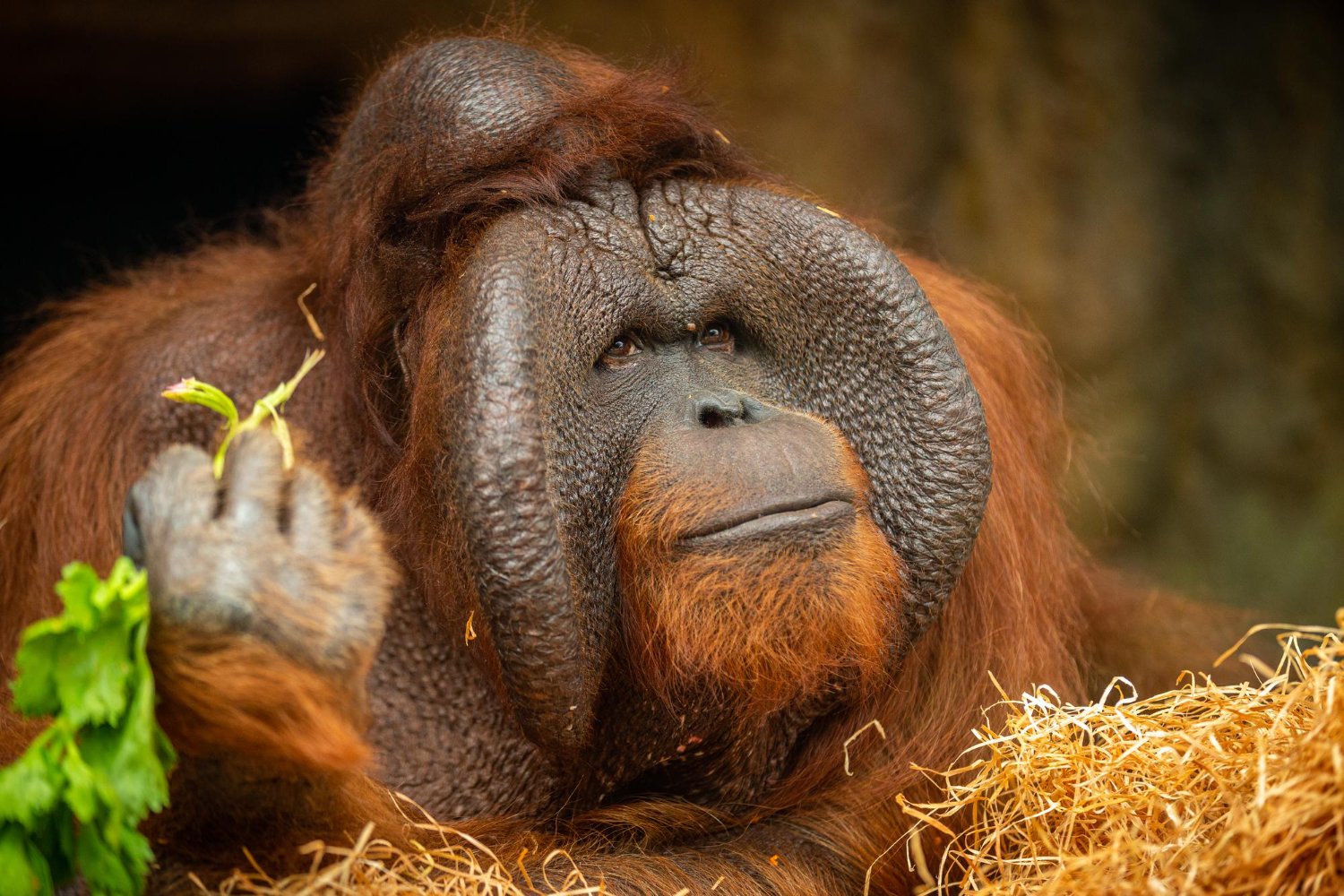
On 30 October 2026 the European broadcaster Euronews reported on the release of nine orangutans in the Indonesian part of Borneo. On Thursday 29 October, conservationists opened the transport cages in the protected Batu Nyambu forest. The animals climbed the nearest trees and disappeared into the canopy.
Those released included four mothers with their young. A final vet check before release found that three females were pregnant again.
Euronews; 30 October 2026
Where the animals were rescued from
The orangutans were rescued in August and September from an oil palm plantation in Ketapang, where fire swept through their habitat. According to Karmele Llano Sanchez, head of the Indonesian wildlife rehabilitation foundation YIARI, some animals had burns on their hands and feet, while others were severely emaciated and dehydrated.
According to Indonesia's forestry ministry, at least 51 orangutans have been rescued from burning forests in West Kalimantan since early August. The monitoring group Nusantara Atlas estimates that fires burned more than 1.9 million hectares in Indonesia in the first nine months of 2026.
How burns are treated in wild animals
Burns in wild animals are treated on the same principles as in people and pets, but with allowance for the fact that the patient is wild and afraid of people. First the animal is given pain relief and stabilised: lost fluids are replaced and the lungs are checked for smoke damage. The wounds are then cleaned, treated and dressed, with antibiotics to prevent infection if needed.
For orangutans, burns on the hands and feet are especially dangerous: these are their main "tools", without which they can't climb trees, hold on to branches or find food. Until the wounds heal, an animal can't return to the forest. So treatment and recovery take weeks.
Exhaustion and dehydration
Fires destroy not only trees but also food: fruit, leaves, shoots and insects. Animals trying to survive on burnt land or a plantation quickly lose weight. At a rehabilitation centre they're fed gradually, as a sudden switch to plentiful food after starvation can do harm. Vets monitor their weight, blood tests and gut function.
Rehabilitation: four to eight weeks
The rescued orangutans spent four to eight weeks at a rehabilitation centre in Ketapang. During this time their wounds healed, and they gained weight and grew stronger. Importantly, adults raised in the wild know how to live in the forest on their own, so they can be released fairly quickly after treatment. It's very different with orphaned young: they need years of "forest school" before they learn to survive without people.
The final vet check
Before release, every animal is examined. Vets check that wounds have healed and weight has recovered, and that there are no infections or parasites the animal could carry into the forest and pass on to others. It was at just such a check that three females were found to be pregnant. For a species that breeds very slowly, this is especially good news: every pregnancy matters for the population's future.
Orangutans and human diseases
Orangutans are genetically close to humans and susceptible to many of our infections, from cold viruses to tuberculosis. So staff at rehabilitation centres wear masks, limit contact with the animals and keep new patients in quarantine. Before release, animals are checked to make sure they don't carry a disease into the forest that could affect the wild population. For the same reason, tourists shouldn't get close to apes.
A difficult journey home
The route to the forest wasn't easy. According to Euronews, the animals travelled by vehicle and then by boat, and on the last stretch people carried the heavy cages up steep, slippery slopes. The release site, the 23,000-hectare protected Batu Nyambu forest, was chosen because it's almost untouched by people and has plenty of food.
What happens after release
Release isn't the end of the work. Usually special teams monitor the animals for a while after their return to the forest, watching how the orangutans find food and build tree nests for the night, and whether they return to people. If an animal weakens or can't adapt, it may be taken back to the centre. Monitoring females with young and pregnant females is especially important.
Smoke is dangerous for animals too
Wildfires harm animals through more than just flames. Smoke damages the eyes and airways, causing coughing, breathing difficulties and pneumonia. Animals that have breathed smoke for a long time grow weaker and cope less well with hunger and wounds. So vets always check the breathing and lungs of rescued animals.
Why orangutans are on the brink of extinction
The Bornean orangutan is critically endangered. The main threats are clearing forests for plantations, fires, poaching and the illegal trade in young. Orangutans breed very slowly: a female has one baby and cares for it for several years before having the next. So populations take decades to recover, and each fire sets them back.
Fires and plantations
Wildfires in Indonesia are often linked to clearing land for plantations, including oil palm. In dry years, fires easily get out of control, especially on drained peatlands, which can smoulder for weeks. The smoke from these fires is dangerous not only to animals but also to people in the region.
Palm oil and Europe
Europe is a major buyer of palm oil, which is found in many foods, cosmetics, household products and animal feeds. The EU has adopted a regulation on deforestation-free products that also covers palm oil, requiring companies to prove that their raw materials aren't linked to deforestation. Shoppers can look for sustainable production certificates and check ingredients.
Primates aren't pets
Young orangutans and other apes that sometimes appear on social media as "pets" have often come from the wild, with their mother killed during capture. Keeping primates at home is banned or strictly limited in most European countries, and from an animal welfare point of view it's always a bad idea. Primates are complex social animals that need a group of their own kind and a natural environment.
How to spot a genuine rescue centre
If you'd like to support orangutan rescue with money or go as a volunteer, choose organisations that don't let tourists touch the animals, don't run photo sessions with young and are open about their work: how many animals have been rescued and released, and how they're monitored. A genuine centre aims to return an animal to the forest, not turn it into an attraction. It's a good sign if an organisation works with government conservation services.
How you can help
- Choose products with certified palm oil or none at all.
- Support trusted organisations that rescue orangutans and protect forests.
- Avoid tourist attractions with apes: photos with primates, shows and "hand-feeding".
- Don't buy or share videos of primates as pets.
- Report illegal sales of wild animals on social media.
How volunteers and vets work after fires
During the fire season, vet teams and rescuers work to the limit. They travel to burning areas, carry out animals, give first aid on the spot and transport the injured to centres. The work is dangerous for people too, with smoke, heat and unstable burnt ground. Many of these organisations rely on donations and support from international foundations.
What this means for Europe
The fires in Borneo may seem far away, but Europe is connected to them through its purchases of palm oil, timber and other goods. European zoos also take part in orangutan conservation programmes, and European vets and volunteers work at rehabilitation centres. Experience in treating wild animals after fires is useful in Europe too, where heat and drought are making wildfires more common, from the Mediterranean to Scandinavia.
When to see a vet
If your pet has been hurt by fire or smoke, with burns, smoke inhalation, coughing, heavy breathing or lethargy, take it to a vet urgently. Burns in animals often look smaller than they are because fur hides them, and lung damage from smoke can appear several hours later. If you find an injured wild animal after a fire, don't try to treat it yourself: call a wildlife rescue.
Sources
- Euronews, 30 October 2026