Contents
- What happened
- Why raccoon rabies has returned
- How rabies is transmitted
- How to recognise rabies in an animal
- Rabies is preventable
- What Quebec is doing
- What owners are advised to do
- Why cats are particularly vulnerable
- What you need to know about the vaccine
- What this means for Europe
- What to do if a wild animal bites your pet
- What happens next
What happened
On 22 October 2026 the Canadian province of Quebec reported the third cat this year to catch raccoon rabies. The case was identified on 25 September in Saint-Denis-sur-Richelieu, in the Montérégie region south-east of Montreal. According to the province, the cat's owner and a vet had contact with the sick animal and received preventive treatment. The authorities identified the first two cases in cats in the summer, also in Montérégie. Every such case requires an investigation: veterinary and health services find out who the cat had contact with and decide who needs preventive treatment.
Government of Quebec, The Canadian Press; 22 October 2026
Why raccoon rabies has returned
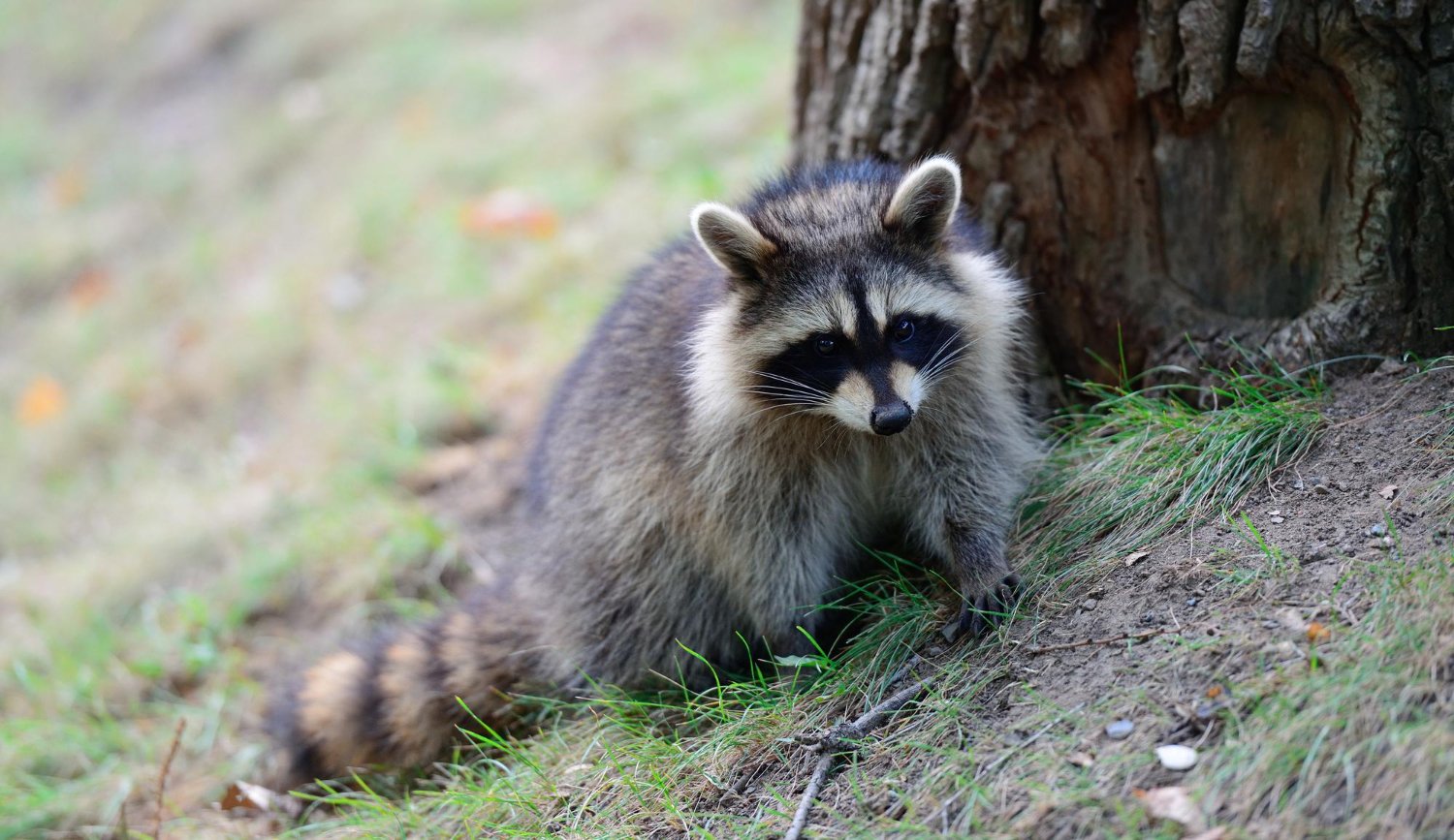
Raccoon rabies is a particular variant of the virus that spreads mainly between raccoons. In North America it has long been widespread in the eastern USA. In Quebec it was kept under control for a long time, but in 2024 the disease returned: one case was found that year. In 2025 there were already 93, and by the end of October 2026, 313. The Canadian Food Inspection Agency notes that the number of animal cases varies from year to year, but preliminary data point to increased rabies activity in raccoons.
Raccoons live comfortably alongside people: they settle in suburbs, raid bins and crawl under decks and into sheds. So a disease circulating among them easily ends up close to pet cats and dogs. North America has several "variants" of rabies, each of which persists mainly in one species — raccoons, skunks, foxes and different species of bats. But any of them can infect any mammal, including cats, dogs and people.
How rabies is transmitted
The rabies virus is found in the saliva of an infected animal and is passed on mainly through bites, less often when saliva gets into a fresh scratch or onto mucous membranes. According to an infectious disease expert, all mammals are susceptible. Cats that go outdoors, hunt and fight are among the most frequent "go-betweens" between wild animals and people. In North America most human infections in recent decades have been linked to bats: their bites can be so small that a person may not notice them.
The virus travels slowly along the nerves to the brain, so anything from a few weeks to several months can pass between infection and the first signs. But once signs appear, the disease is almost always fatal — for animals and for people.
How to recognise rabies in an animal
The signs of rabies vary and are easily confused with other diseases:
- a sudden change in character: an affectionate animal becomes aggressive or, conversely, a wild animal becomes unnaturally bold and calm;
- restlessness, biting for no reason, attempts to chew objects;
- drooling, difficulty swallowing, a change in voice;
- staggering, paralysis, especially of the hind legs and lower jaw;
- seizures.
If a wild animal behaves strangely — wandering near houses in daylight, showing no fear of people, staggering — do not approach it and do not let your pets near it. Report it to your local veterinary or wildlife service.
Rabies is preventable
The thing about rabies is that with timely treatment the disease is almost 100 per cent preventable.
Michael Libman, professor in the Division of Infectious Diseases at McGill University
He means post-exposure prophylaxis — a course of vaccinations, sometimes with ready-made antibodies, given straight after a bite or contact with the saliva of a suspect animal. That is what the cat's owner and the vet in Quebec received. Libman notes that children are disproportionately represented among people who needed such treatment: they are more likely to reach out to animals and less likely to mention scratches and bites.
What Quebec is doing
The province is tackling the disease in several ways at once. On behalf of Quebec's Ministry of Agriculture, Fisheries and Food, the University of Montreal's faculty of veterinary medicine is running mobile vaccination clinics in several regions: vaccinating a cat or dog there costs 15 dollars, and the clinics are running until the end of November. In previous years the province has also distributed vaccine baits for wild animals and carried out "trap, vaccinate, release" operations for raccoons. Baits are small blocks with the vaccine inside, laid out in woods and suburbs. Raccoons and other animals eat them and are vaccinated. That is how fox rabies was once defeated in Europe, and the same method helps contain raccoon rabies in North America.
According to Libman, most Quebecers vaccinate their cats against rabies, but he fears that attention to it may be slipping.
What owners are advised to do
The Quebec authorities advise:
- vaccinating pets against rabies and giving boosters on time;
- not letting cats and dogs roam outdoors unsupervised;
- showing your vet any wound of unknown origin, even if your pet's vaccination is up to date;
- seeking medical help straight away if you are bitten by an animal that may not be vaccinated.
Another simple rule is not to feed raccoons and other wild animals and not to leave pet food outside: it draws animals to houses and increases the number of risky encounters.
Why cats are particularly vulnerable
Many cats are not vaccinated because they "live indoors". But indoor cats sometimes slip out of the door, go onto the balcony or into the garden and hunt small animals. And an encounter with a sick raccoon or bat can end in a bite that the owner does not even notice. Vets stress that cats that hardly ever go outside need vaccinating too, especially where the disease is common among wild animals.
What you need to know about the vaccine
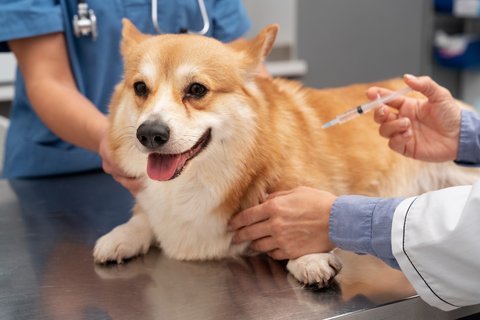
Dogs, cats and ferrets can be vaccinated against rabies from about three months of age. For travel within the EU the first vaccination only "counts" 21 days after the injection, so plan it in advance. Boosters must be given within the period specified for the particular vaccine — usually every year or every three years; your vet will record the date in your pet's passport. If the deadline is missed, you sometimes have to start all over again and, for travel, wait again.
Modern vaccines are well tolerated. Occasionally there may be lethargy, a slight temperature or swelling at the injection site in the first day; serious reactions are rare. If your pet has reacted to a vaccine before, tell your vet.
What this means for Europe
Most of western and central Europe is now free of rabies in terrestrial wild animals. This is the result of many years of work: since the 1980s European countries have dropped vaccine baits for foxes — the main carriers of rabies in Europe — from aircraft and laid them by hand, clearing huge areas of the disease step by step. But in the eastern part of Europe and neighbouring countries, rabies cases in foxes, dogs and cats are still recorded. Sometimes rabies also "arrives" in rabies-free countries — with dogs and cats illegally brought in from regions where the disease is present. Each such case requires a lengthy investigation and preventive treatment for everyone who had contact with the animal.
In addition, viruses related to rabies are found in bats in Europe. Human infections are very rare, but bats should never be touched with bare hands, and if your pet has caught a bat it is worth contacting your vet.
That is why rabies vaccination is compulsory in the EU for dogs, cats and ferrets travelling between countries: the animal must have a microchip, an EU pet passport and a valid vaccination. If you are travelling with your pet outside the EU, for example to Canada, check the rules for entry and return in advance — some countries require additional antibody tests.
What to do if a wild animal bites your pet
Do not touch the wound with bare hands, wash it with soap and water and call your vet straight away. Tell them what kind of animal it was and where it happened. The vet will decide whether a booster and observation are needed. If you yourself have been bitten, see a doctor the same day. If the animal that bit your pet is dead, do not throw the body away or touch it with your hands — the veterinary authorities may send it for testing.
What happens next
Quebec is continuing to vaccinate pets and monitor the spread of rabies among raccoons. Raccoon activity ends as the cold weather arrives, but the virus does not go away. For pet owners in any country, the lesson from Quebec is simple: rabies vaccination is one of the most reliable and inexpensive forms of protection, and neglecting it because the disease seems far away is dangerous. Check your dog's or cat's passport today: if the vaccination is about to expire, book an appointment with your vet in good time.
Sources
- The Canadian Press, citing the Quebec government (CP24), 22 October 2026
- Government of Quebec, on the first case in a cat, July 2026